IN Brief:
- Planning applications cover a new treatment works at Dan-y-Castell and upgrades to the existing Llwyn-onn works.
- New storage, pumping and pipelines will support the eventual replacement of the Pontsticill and Cantref treatment facilities.
- Construction is provisionally scheduled for 2028–2032, subject to planning approval and procurement.
Dŵr Cymru Welsh Water has submitted planning applications for its £600 million Cwm Taf Water Supply Strategy, proposing major construction and modernisation works across drinking water infrastructure serving more than 400,000 properties in South Wales.
The investment would deliver a new water treatment works at Dan-y-Castell Farm near Merthyr Tydfil, upgrades to the existing Llwyn-onn treatment works and additional pumping, storage and pipelines. The completed facilities would replace the existing treatment works at Pontsticill and Cantref.
Separate applications have been submitted to Merthyr Tydfil County Borough Council and Bannau Brycheiniog National Park Authority, reflecting the locations of the two linked developments. Both proposals must progress through the planning process before the company can proceed with the complete construction programme.
The scheme is the largest water infrastructure investment proposed in Welsh Water’s history. It is intended to modernise facilities that have operated for many decades while increasing the reliability and resilience of drinking water supplies to communities around Merthyr Tydfil and parts of Cardiff.
The existing treatment infrastructure has become increasingly difficult and costly to maintain. Welsh Water is also subject to a legal notice from the Drinking Water Inspectorate requiring improvements to treatment processes and the eventual disconnection of the older Pontsticill and Cantref works.
The regulatory requirements were updated in January 2025, with the replacement facilities required to support disconnection of the existing treatment works by September 2032. Cantref Water Treatment Works dates from 1926, while the wider programme addresses the condition and future performance of the three existing facilities.
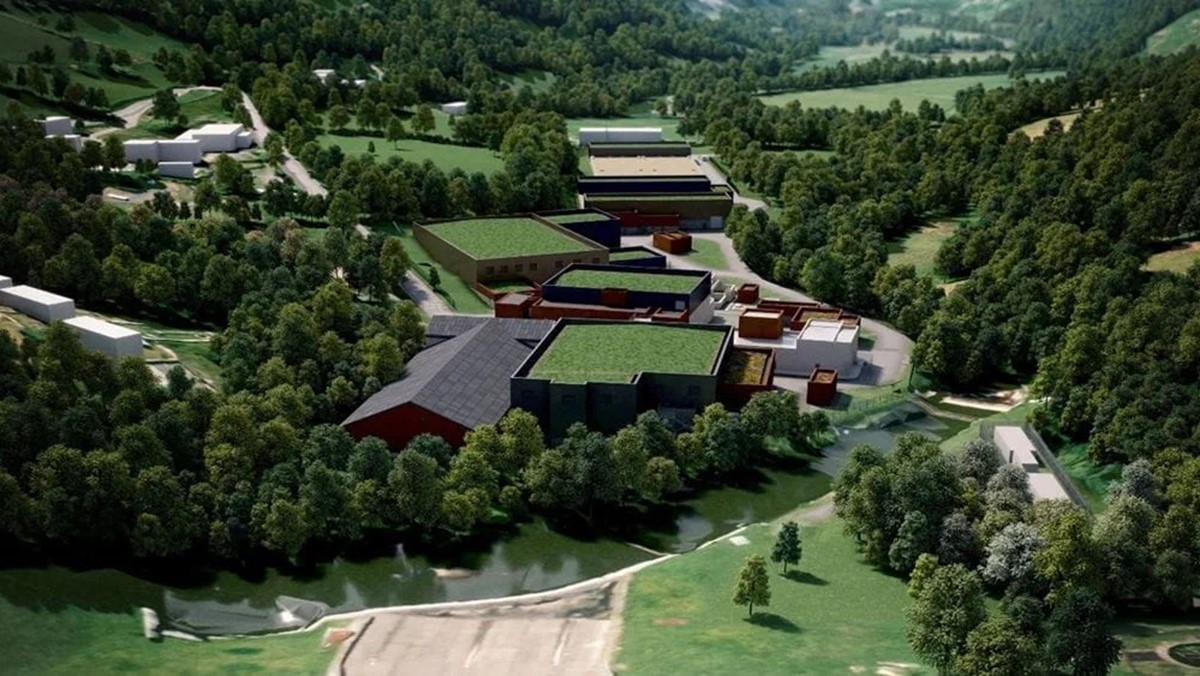
At Dan-y-Castell, the proposed development includes a new treatment works, treated water storage and pipelines connecting the facility with the existing supply network. A new raw water pumping station would be constructed within the current Pontsticill treatment works site.
The pumping infrastructure would transfer water towards the new treatment facilities, while the proposed pipelines would connect the completed system to the distribution network. The design must accommodate the relationship between raw water movement, treatment capacity, storage and the pressure requirements of the surrounding supply system.
Water treatment infrastructure requires the flow of incoming water to be coordinated with the processes used to achieve the required drinking water quality. The selected treatment arrangements must accommodate variations in source water conditions while maintaining the quantity and quality of water delivered into the network.
The precise treatment equipment and process sequence for the proposed works will be determined through the detailed engineering design. Welsh Water has identified the need for improved treatment capability and additional capacity, but the planning stage does not establish the final construction and equipment packages for every part of the scheme.
Llwyn-onn will be upgraded within its existing operational site, where Welsh Water owns adjacent land that can accommodate the additional facilities. The development includes treated water storage tanks and new pipework connecting the works to the distribution system.
The location allows raw water from Cantref Reservoir to flow by gravity to the upgraded Llwyn-onn treatment works. Retaining that arrangement reduces the need to introduce additional pumping infrastructure for this part of the system and allows existing assets to form part of the replacement strategy.
Storage capacity is another component of the proposals. Treated water reservoirs or tanks provide a buffer between production and consumption, helping the network accommodate changing demand and maintain supply when treatment output and distribution requirements do not occur at identical rates.
The company originally considered a larger single treatment works at Gurnos Farm. Following consultation and further assessment, it developed the current split-site arrangement, which retains and upgrades Llwyn-onn while introducing a smaller new facility at Dan-y-Castell.
Using the existing Llwyn-onn site reduces the scale of new infrastructure required elsewhere. Welsh Water expects the arrangement to limit the extent of new pipework and pumping stations, retain useful operational assets and reduce construction-related impacts compared with its earlier single-site proposal.
The construction programme will need to maintain drinking water supplies while the new facilities are built, tested and commissioned. At Llwyn-onn, Welsh Water intends to phase the works so the existing treatment arrangements can continue operating during construction.
The transition will require new and upgraded equipment to be brought into service before the redundant treatment facilities are disconnected. Testing and commissioning are therefore integral to the programme rather than activities that can be separated from the safe operation of the wider water supply network.
Environmental considerations are reflected in the proposed layouts. The company has incorporated green roofs into its designs and is developing long-term habitat management arrangements, including proposals to increase species-rich habitats and improve ecological connectivity around the facilities.
The developments will also involve construction traffic, material deliveries, excavation, pipe installation and work around operational water assets. The final environmental and traffic management requirements will be determined through the planning process and subsequent detailed construction planning.
Welsh Water has begun engagement with infrastructure investors, lenders and engineering partners ahead of formal procurement. The company intends to use Ofwat’s Direct Procurement for Customers model, under which a competitively appointed provider would undertake specified design, construction and financing responsibilities.
The procurement model separates the proposed infrastructure investment from the appointment of its eventual delivery organisation. No main construction contractor has been selected through the planning applications, and the programme remains subject to planning decisions, commercial approvals and procurement.
A supplier engagement event is scheduled for 10 November at ICC Wales in Newport, providing an opportunity for contractors and specialist businesses to examine the proposed programme and associated supply chain requirements.
Welsh Water’s indicative timetable envisages construction between 2028 and 2032, followed by the commissioning of the new facilities and disconnection of Pontsticill and Cantref. Both treatment developments must be delivered to meet the revised regulatory requirements and establish the proposed replacement supply arrangements.