
Insights
-
Q3 extended weak construction conditions while infrastructure programmes kept advancing. Planning reforms took effect, Gateway 2 approvals improved, and cost pressures persisted across building markets.
-
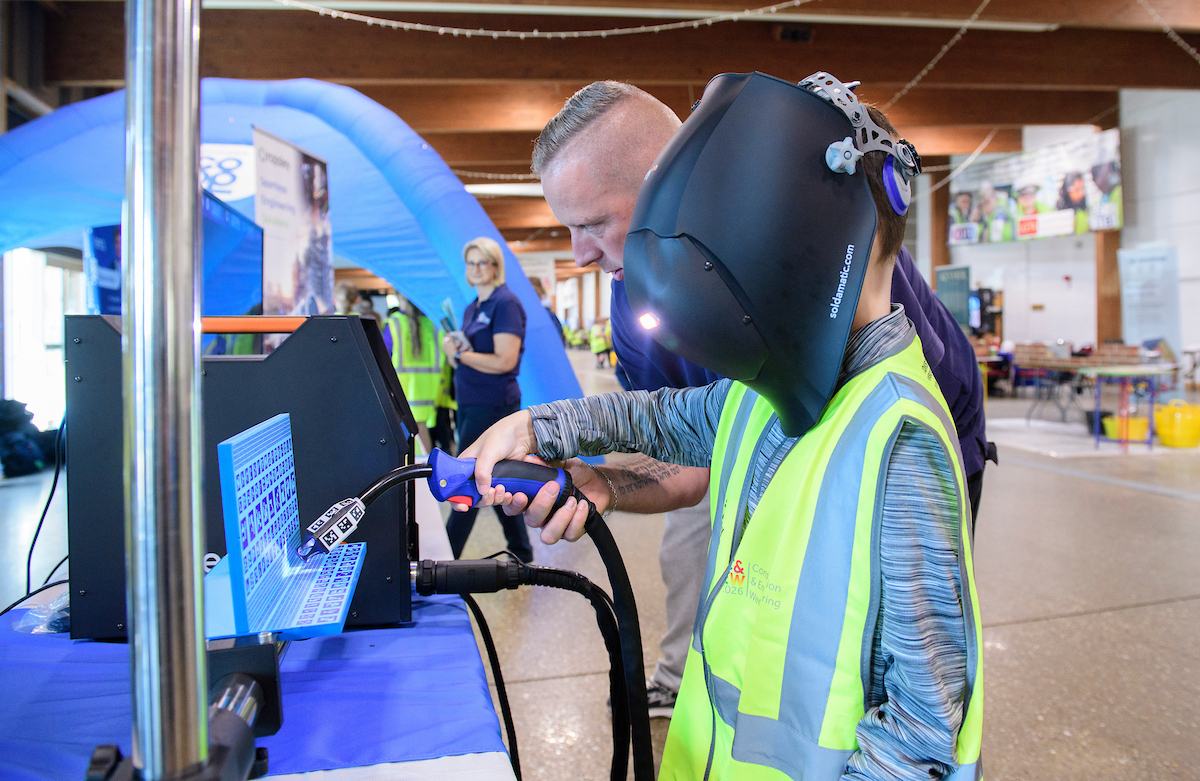
Construction and Engineering Week reached 1,500 Lincolnshire pupils this year. The three-day event gave children practical exposure to trades, equipment, engineering and emerging technologies as employers confront persistent skills demand.
-
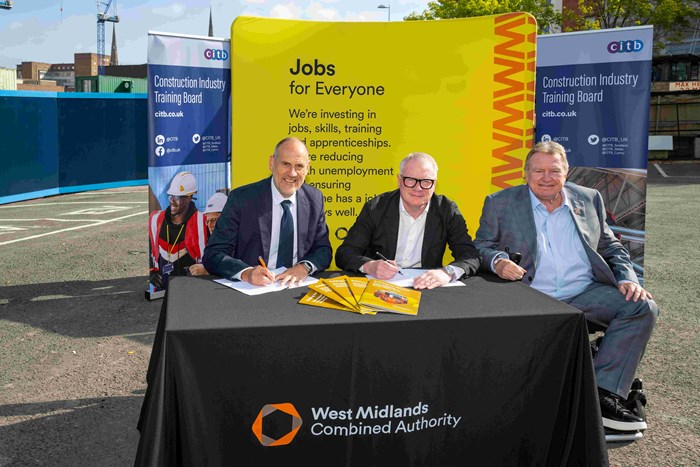
West Midlands leaders have agreed a new construction skills academy. The CITB partnership will connect workforce data, employers, training providers, and regional investment as demand rises by more than 3,800 workers annually.
-

CITB has launched a heritage construction skills plan for RMI. The programme targets training shortages, competence, procurement and workforce capacity across traditional buildings.
-

UK construction starts fell sharply while contract awards accelerated strongly. Glenigan’s September Review shows weak live workload alongside a substantially stronger forward pipeline.
-
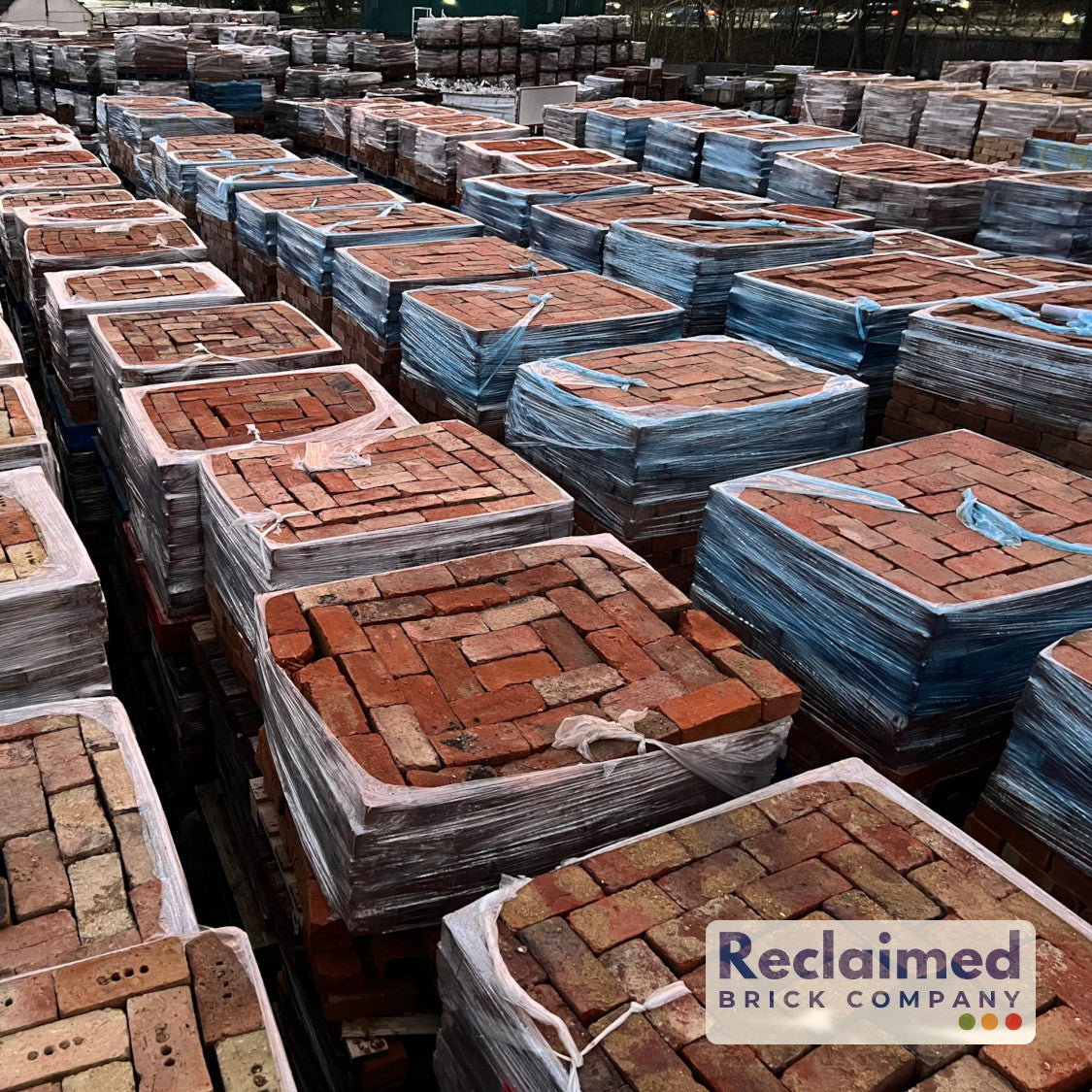
Reclaimed Brick Company has quantified carbon savings from brick reuse. Its verified EPD also exposes why lifecycle boundaries matter when reclaimed materials are compared with newly manufactured products.
-

CITB is backing new deaf awareness training for construction workers. At least 500 people will join the pilot, with eight free modules covering hearing loss, communication, workplace inclusion, and practical site awareness.
-

Scottish plumbing firms face rising costs and weakening order books. SNIPEF’s Q2 survey shows falling margins, weaker apprenticeship recruitment, and substantial cash tied up in construction retentions.
-

FPS has established a carbon baseline across sixty-three foundation projects. The dataset links emissions to delivery activity, giving piling contractors a clearer benchmark for future decarbonisation.
-

Office construction output fell sharply as developers delayed new schemes. Higher orders and tightening Grade A supply are creating a future pipeline, although stronger new-build activity may take until 2028.