
Features
-
Q3 extended weak construction conditions while infrastructure programmes kept advancing. Planning reforms took effect, Gateway 2 approvals improved, and cost pressures persisted across building markets.
-

Many construction problems begin before work reaches the site gate. IN Site Issue 3 looks at design, contracts, equipment, off-site construction, and material planning.
-
Q2 extended construction’s slowdown as costs rose and starts weakened. Major programmes advanced, but conversion from pipeline to site remained uneven.
-

CITB forecasts renewed construction growth after a weaker 2026 period. Its latest workforce outlook says the industry will need 41,200 extra workers each year to 2030.
-

Cyber resilience is now a business continuity issue for building suppliers. Steve O’Keeffe, RVP UK&I at Epicor, explains how AI-enabled threats, supplier dependencies, ERP disruption, and board-level oversight are changing construction supply chain risk.
-
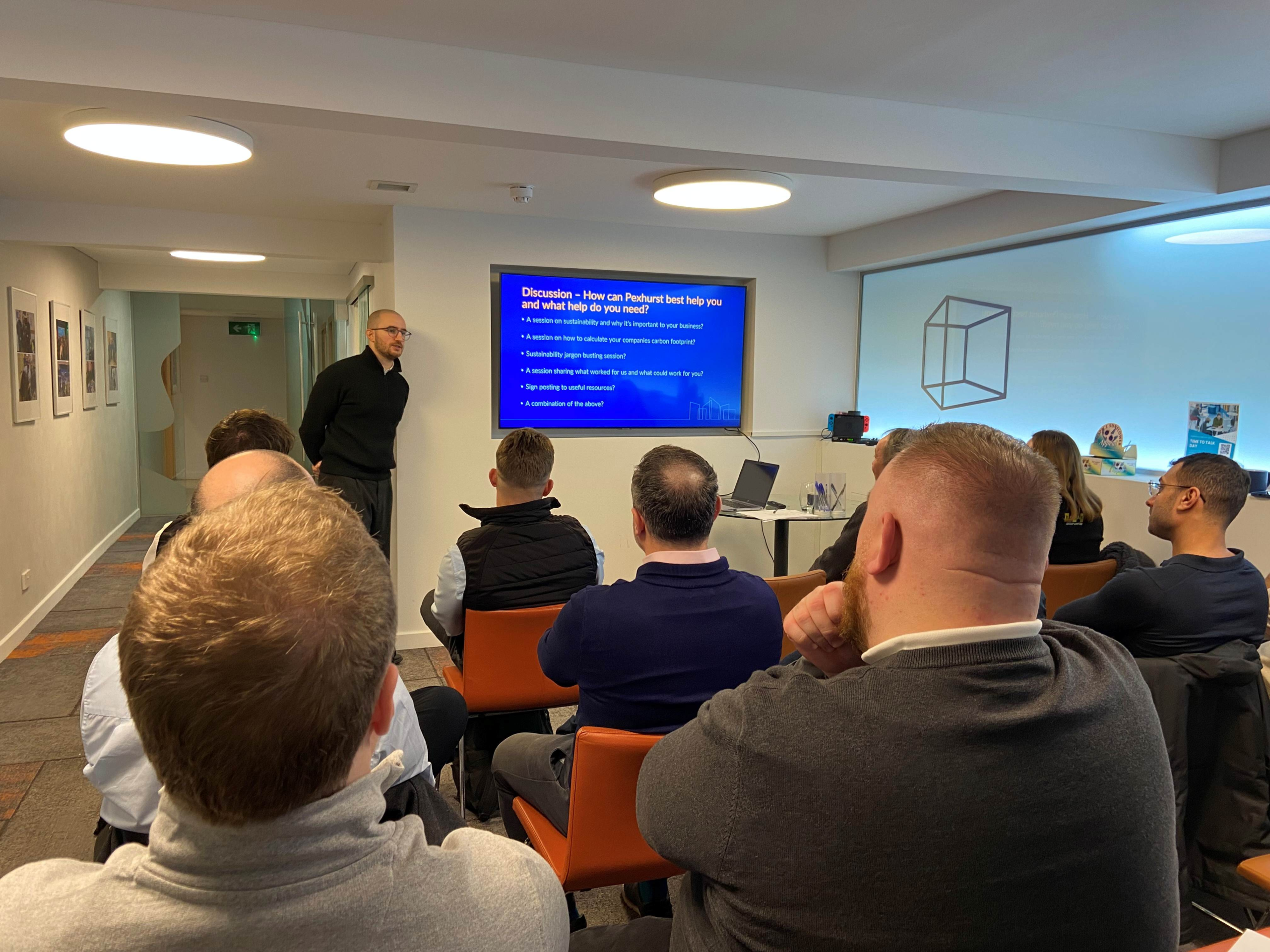
Circular construction is becoming a commercial and environmental priority for refurbishment. Luca Sidoli, sustainability manager at Pexhurst, considers how SME contractors can move beyond linear waste models, support clients with reuse strategies, and make circularity more practical across the refurbishment sector.
-

Cladding choices are being reshaped by sustainability, retrofit demand, and climate risk. Lisa Grosse, brand manager at Cedral UK, examines survey findings on refurbishment, modular construction, façade design, and the barriers to long-term sustainable housebuilding.
-

Construction starts are softer, although demand is still moving selectively. IN Site Issue 2 examines refurbishment, data centre carbon, housing renewal, ventilation, cyber resilience, and plant productivity.
-
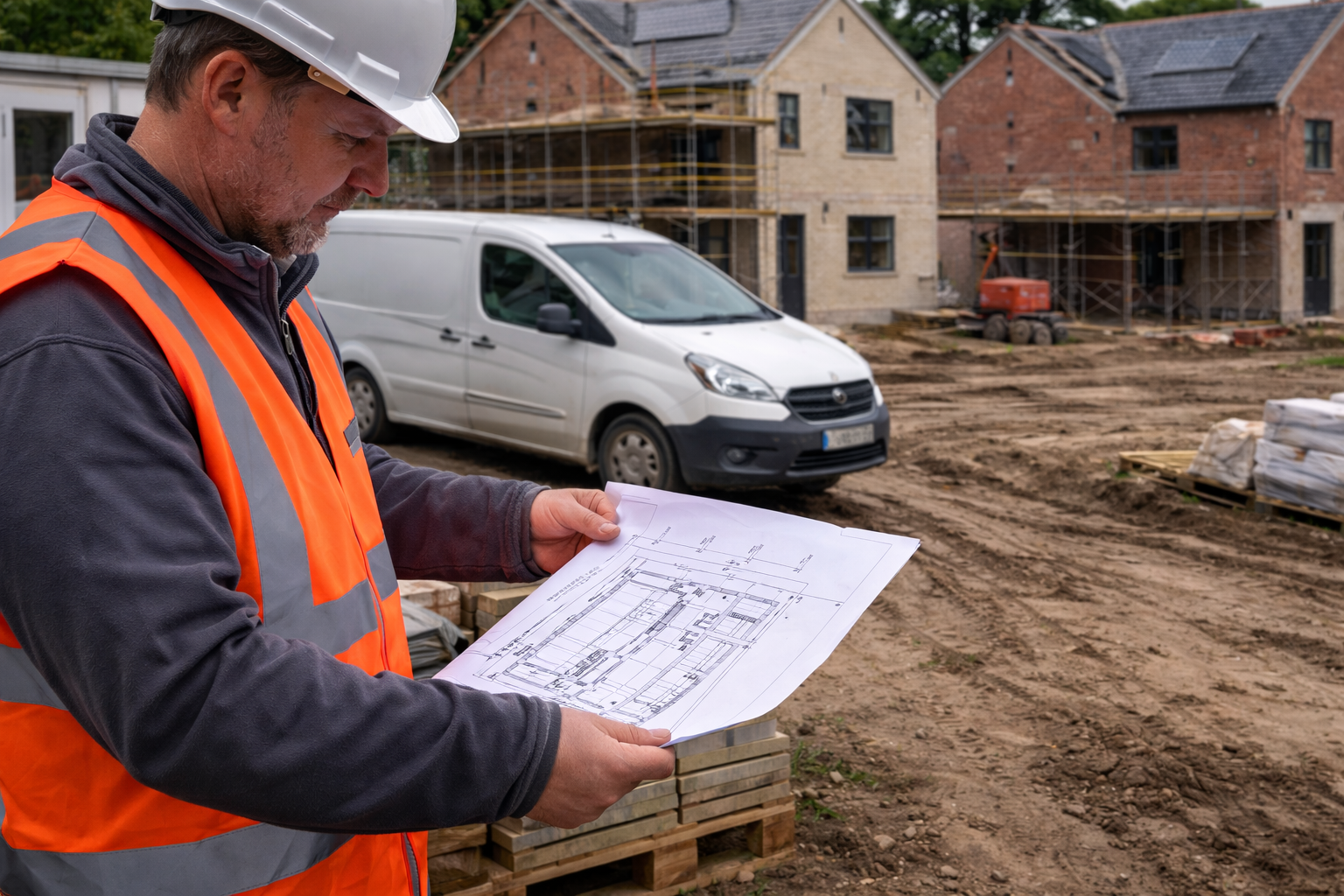
Smaller builders are still operating with very little slack today. Planning delays, viability pressure, labour shortages, and supply-chain fragility are keeping many SME developers in risk-management mode rather than expansion mode.
-
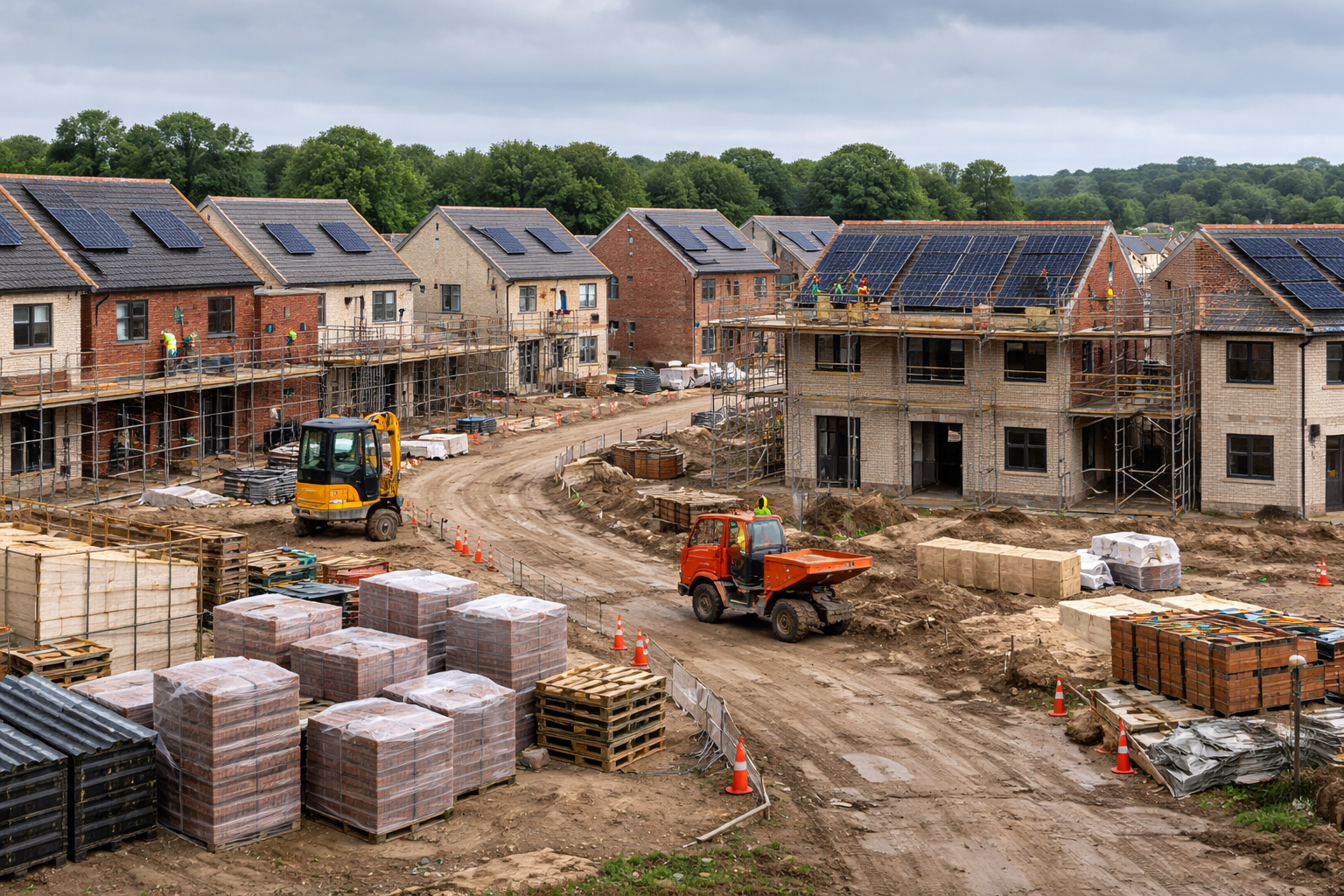
Britain is asking construction to deliver on four fronts simultaneously. Housing growth, retrofit, remediation, and stricter energy standards are all moving at once, while starts, margins, and programme slack remain under pressure across the delivery chain.