IN Brief:
- James Ramsay has secured a steam boiler replacement contract with South Lanarkshire Council.
- The installation comprises two Cochran ST23 boilers and new vertical flue systems.
- A five-year maintenance agreement will support operation of the replacement equipment.
James Ramsay has secured a contract with South Lanarkshire Council to replace steam generation equipment at its headquarters in Hamilton, incorporating new boiler installations and flue infrastructure extending vertically to the roof of the 60-metre building.
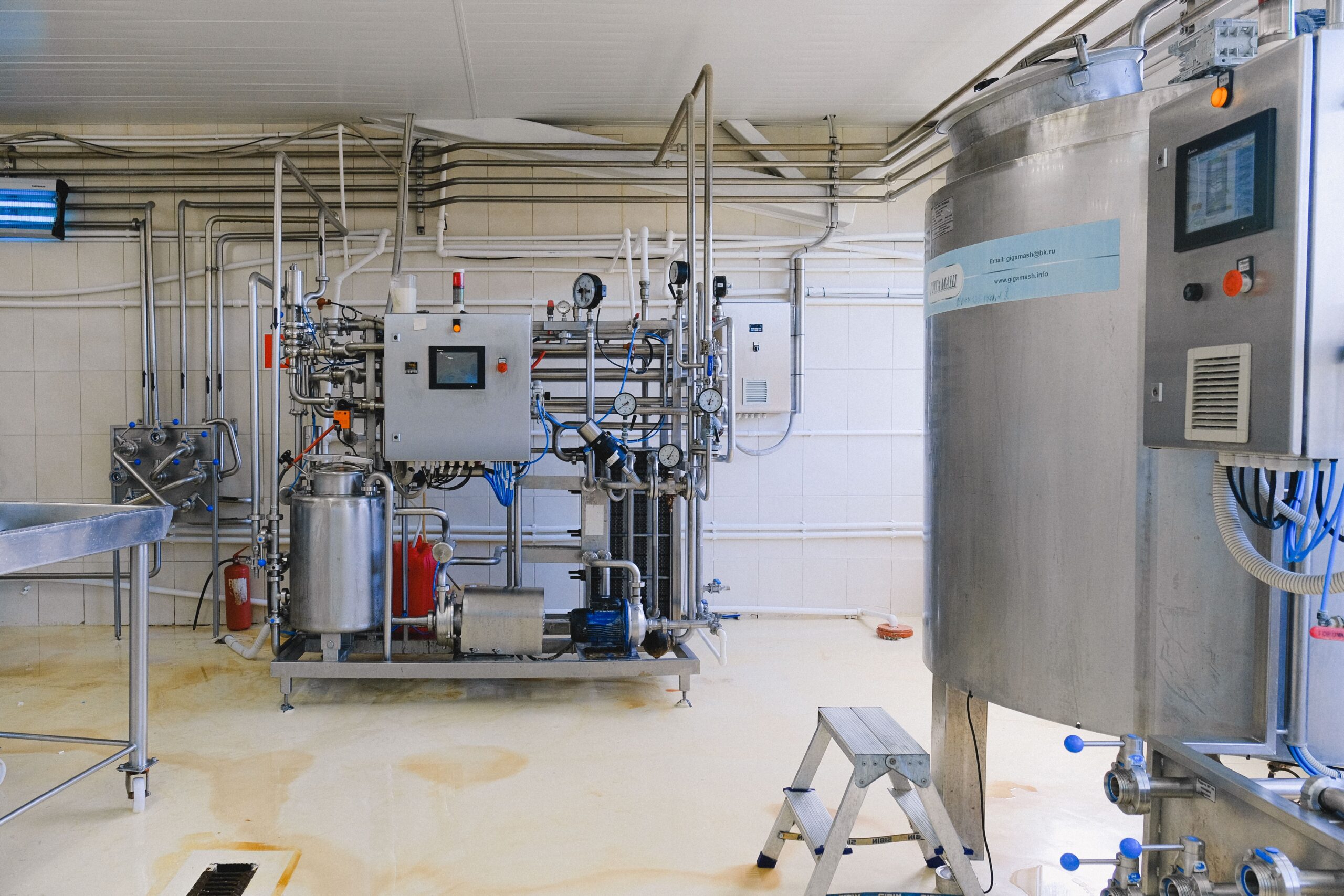
The Glasgow-based industrial heating and pipework specialist will supply and install two Cochran ST23 packaged steam boilers, with a five-year maintenance agreement covering the replacement system.
The contract requires the integration of new pressure equipment, steam pipework, combustion systems, and exhaust infrastructure within an existing high-rise building.
Cochran’s ST23 incorporates a horizontal three-pass, wet-back design manufactured in accordance with BS EN 12953, the European standard series covering shell boilers.
Combustion takes place within a furnace surrounded by water, with hot gases subsequently passing through additional sections of the pressure vessel. The arrangement increases the surface area available for heat transfer before combustion products leave through the exhaust system.
The wet-back configuration incorporates a water-cooled rear combustion chamber, allowing heat from that part of the boiler to contribute to steam generation.
Packaged boiler construction brings the principal pressure vessel and associated equipment together into a manufactured assembly. Although this can reduce the amount of fabrication required during installation, the completed plant must still be integrated with the building’s water treatment, fuel, electrical, control, steam distribution, and exhaust systems.
The precise steam output, operating pressure, and combustion equipment selected for the Hamilton installation have not been disclosed.
Replacing mechanical plant within an existing building can introduce restrictions that were absent when the original equipment was installed. Changes to access routes, internal partitions, and adjacent building services can affect the available space for removing redundant equipment and positioning replacement assemblies.
The dimensions and mass of the new boilers must therefore be considered alongside the capacity of lifting equipment, supporting structures, and available openings. Installation planning must also accommodate pipework connections and the working space required to complete testing and commissioning.
Where existing steam distribution infrastructure remains in service, engineers must establish the relationship between its operating requirements and the performance characteristics of the replacement equipment.
Steam systems require controlled operating pressures and arrangements for removing condensate formed as thermal energy is transferred to connected equipment. Returning condensate to the boiler feedwater system can recover residual thermal energy while reducing the volume of replacement water required.
The condition and performance of condensate management equipment can influence the reliability of the wider installation. Water accumulating within steam distribution pipework can interfere with flow and create damaging pressure fluctuations.
Replacing the boilers provides an opportunity to assess the interfaces between the generation equipment and those retained systems, although the contractor has not published the detailed scope of any distribution network alterations.
The new flues will extend vertically to the building’s roof, creating a substantial installation route through the existing structure.
Flue design must accommodate the temperature, pressure, and flow characteristics of the combustion gases. Supporting arrangements also need to allow for thermal expansion while preserving the integrity of joints and connections.
Where flues pass through different areas of the building, their installation must be coordinated with existing structural elements, mechanical and electrical services, and relevant fire compartmentation requirements.
Similar constraints are influencing other major building services refurbishment contracts, including the £40m mechanical and electrical installation at 171 Victoria Street, where new infrastructure must be integrated with retained construction.
Steam boilers operating in British workplaces are subject to the Pressure Systems Safety Regulations 2000. The regulatory framework establishes requirements for the safe management and examination of systems containing pressurised fluids.
A written scheme of examination identifies the equipment requiring examination, the nature of the work, and the appropriate intervals. These statutory examination arrangements remain distinct from servicing activities undertaken through a maintenance contract.
James Ramsay’s five-year maintenance agreement will provide ongoing technical support following installation of the replacement plant. Maintaining appropriate water quality, combustion performance, controls, and mechanical condition will form part of the broader requirements for reliable operation.
The maintenance commitment also extends the contractor’s relationship with the installation beyond commissioning, creating continuity between the initial delivery of equipment and its subsequent servicing requirements.
South Lanarkshire Council has not disclosed the contract value or the anticipated commissioning date. The installation programme will deliver replacement steam generation capacity and associated flue infrastructure, followed by five years of contracted maintenance support.