IN Brief:
- Heidelberg Materials reports an A1–A3 global warming potential of −34kg CO₂e/m³.
- Biochar-based ACLA pellets partially replace conventional aggregate within the concrete.
- Further trials with BAM will examine additional construction applications.
Heidelberg Materials UK has supplied ready-mixed concrete incorporating carbon-storing aggregate for infrastructure construction at Bell Weir on the River Thames, achieving a reported negative global warming potential across the material’s production stages.
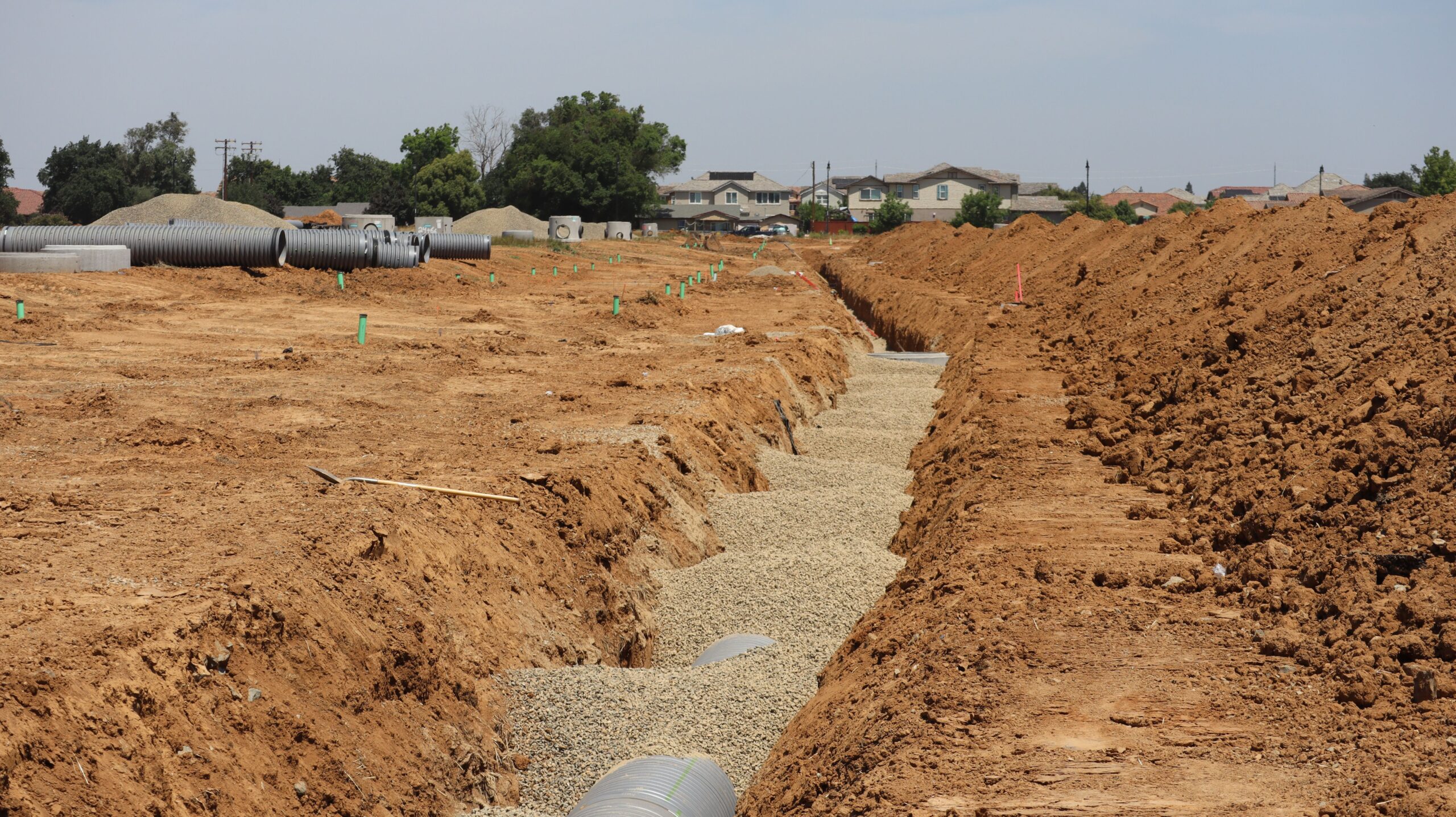
Developed with BAM UK & Ireland and supported by the Environment Agency’s net zero carbon pilot programme, the concrete was placed as a blinding layer during construction of a multispecies fish and eel pass at Runnymede in Surrey.
The formulation incorporates ACLA, an alternative aggregate developed by Low Carbon Materials (LCM), which uses biochar to introduce stored biogenic carbon into construction products.
Heidelberg Materials reports that the concrete achieved an A1–A3 global warming potential (GWP) of −34kg CO₂e/m³, compared with approximately 150kg CO₂e/m³ for conventional GEN 3 concrete suitable for an equivalent application. The difference amounts to approximately 184kg CO₂e for each cubic metre produced within the specified lifecycle boundary.
Development and testing took place at Heidelberg Materials’ Greenwich evoHub laboratory before the mixture was supplied to the construction site.
Biochar is manufactured by heating biomass under conditions of restricted oxygen availability, converting part of the organic material into a carbon-rich solid that can retain carbon for extended periods.
LCM incorporates biochar into aggregate pellets that can partially replace conventional mineral aggregate in concrete and asphalt. Processing the material into pellets provides a means of introducing carbon-storing particles through the aggregate fraction of the mixture, complementing efforts to reduce emissions associated with the cementitious binder.
The resulting GWP depends on the balance between carbon retained in the aggregate and emissions associated with producing the complete mixture. Cement manufacture, aggregate processing, transport, and concrete production all contribute to that calculation.
Modules A1–A3 within construction product lifecycle assessment cover raw material supply, transport to the manufacturer, and manufacturing processes. They do not account for subsequent transport to the construction site, installation, maintenance, or end-of-life activities.
The negative value reported at Bell Weir therefore relates specifically to the product stages of the concrete rather than the completed fish pass or its entire construction and operational lifecycle.
LCM maintains that its aggregate retains stored carbon when the construction material containing it is subsequently recycled. Incorporating that storage into a whole-life assessment requires consideration of the anticipated service life, demolition processes, material recovery arrangements, and the treatment of carbon at the end of the asset’s life.
The initial application at Bell Weir uses the concrete for blinding rather than a primary structural element. Blinding concrete forms a clean and level surface over prepared ground, providing a working platform and separating subsequent structural concrete or reinforcement from the underlying soil.
This application allows the material to be assessed under actual construction conditions without requiring it to satisfy all the structural performance and durability criteria associated with heavily loaded foundations or reinforced concrete infrastructure.
Broader structural use would require evidence that alternative aggregate content can be accommodated while maintaining the characteristics required by each concrete specification. Aggregate stiffness, particle strength, grading, absorption, and the relationship between aggregate and cement paste influence the mechanical behaviour and durability of the hardened material.
Water absorption also affects mixture design because changes in aggregate moisture content can influence the quantity of water available to the cementitious binder. Consistent batching and control of constituent materials would consequently remain important as production volumes increase.
Heidelberg Materials has been investigating several methods of reducing concrete emissions through changes to its constituent materials, including supplementary cementitious materials that allow part of the conventional clinker content to be replaced.
Clinker manufacture is a major source of concrete’s embodied emissions because it requires high-temperature processing and releases carbon dioxide through the decomposition of limestone. Carbon-storing aggregates introduce a separate mechanism for reducing the product’s net GWP.
Combining the two approaches could allow further reductions where the binder and aggregate specifications are compatible with the required engineering performance.
Heidelberg Materials has also investigated carbon-storing aggregate technology in asphalt, including an earlier highway trial in Cumbria. The Bell Weir project extends that work into concrete supplied directly for infrastructure construction.
The ability to produce the material at commercial scale will depend on consistent aggregate supply, compatibility with existing batching infrastructure, quality control, and the performance requirements of individual applications.
Heidelberg Materials and BAM intend to continue testing the technology across future projects. The next stage of development will establish where the material can move beyond initial non-structural applications and whether comparable product-stage carbon reductions can be achieved across a broader range of concrete specifications.