IN Brief:
- The £210m contract forms part of a wider £372m infrastructure improvement programme.
- Four new slip roads will provide motorway access in both directions.
- Existing slip roads are expected to close for approximately two years from early 2027.
Galliford Try has secured a £210m contract from Gloucestershire County Council to reconstruct Junction 10 of the M5 motorway, advancing a wider £372m infrastructure programme intended to support residential and commercial development around Cheltenham.
The contractor will replace the existing junction, which only accommodates traffic joining the motorway northbound and leaving southbound, with an interchange providing access in all four directions. The agreement also covers widening the A4019 Tewkesbury Road and constructing a new link road between the A4019 and B4634 in west Cheltenham.
Galliford Try was appointed under an early contractor involvement arrangement in June 2023, bringing its construction team into the design process before the principal works contract was agreed. The latest award follows the development and negotiation of the construction package.
The scheme will replace the existing A4019 motorway bridge with two bridge structures forming part of a grade-separated roundabout. Four new slip roads will connect the roundabout with the motorway, allowing southbound access and northbound exit movements that the existing junction cannot accommodate.
Gloucestershire County Council intends to progress construction of the junction, widening of Tewkesbury Road, and delivery of the West Cheltenham Link Road concurrently. Undertaking these activities in parallel requires coordination between the contractors’ working areas and the temporary arrangements maintaining traffic on the existing network.
The council expects to close both existing slip roads from early 2027 for approximately two years, although the final duration remains under review. The motorway and A4019 will remain available to through traffic under temporary management arrangements, but drivers will need to use alternative junctions to enter and leave the M5.
Removing the existing slip roads from service will release working space around the motorway embankments and junction approaches. The available construction area will nevertheless remain constrained by operational carriageways, requiring temporary access arrangements and protective infrastructure to be coordinated with the permanent works.
The replacement bridge structures must also be integrated with the junction approaches and new slip roads. Earthworks, drainage, structural construction, and carriageway formation will need to progress in a sequence that accommodates the changing availability of access across the site.
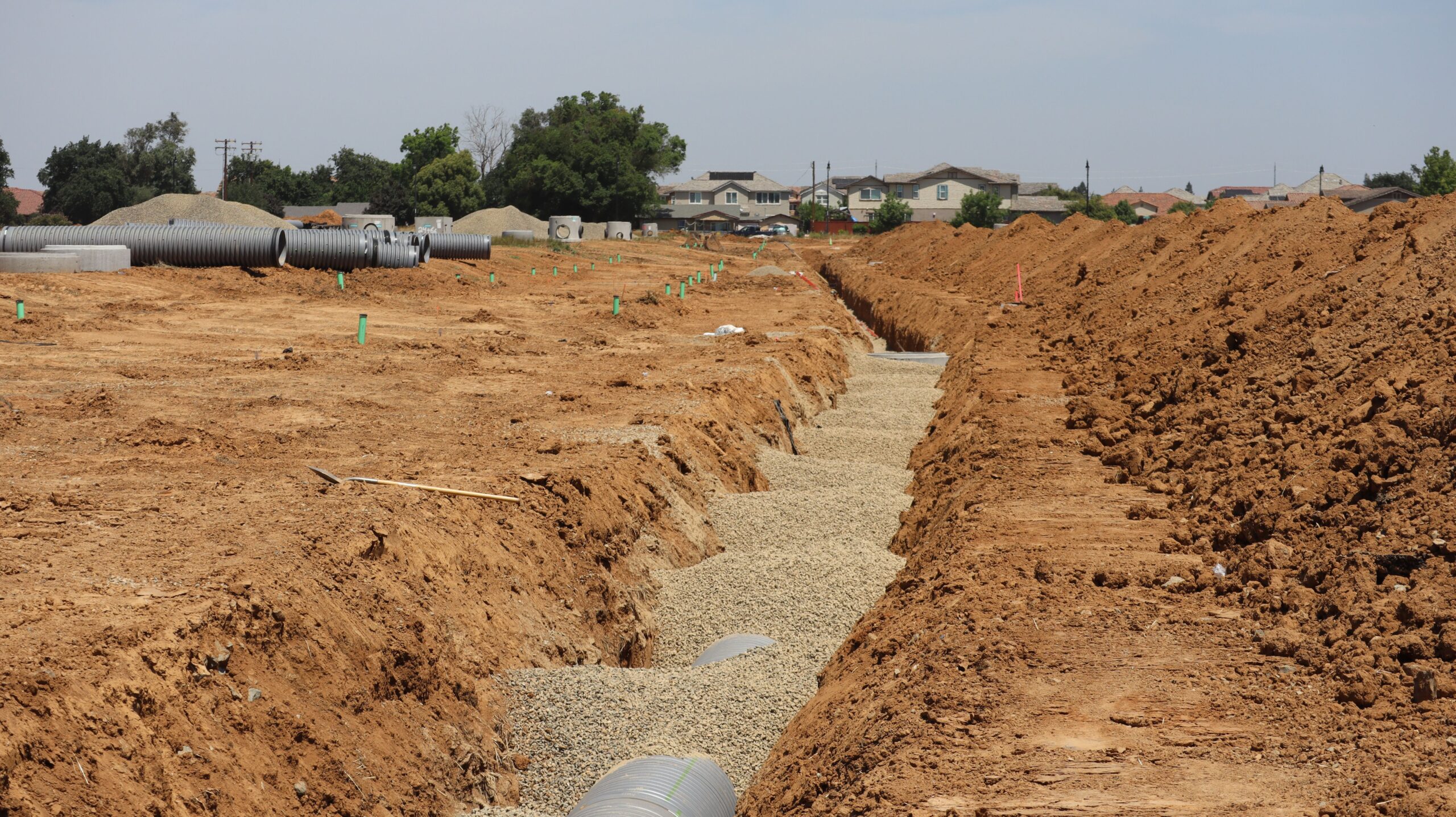
Flood mitigation measures form part of the development alongside the highway construction. Introducing additional impermeable surfaces through carriageway widening and new road construction changes how rainfall is collected and discharged, requiring drainage infrastructure to be integrated into the permanent highway design.
The development also includes new walking and cycling facilities. Their relationship with the reconstructed junction and surrounding roads will influence the design of crossings, local connections, and the allocation of space alongside the widened carriageways.
Funding for the wider programme includes the government’s Housing Infrastructure Fund, administered by Homes England, alongside contributions from Gloucestershire County Council, district council Community Infrastructure Levy receipts, and developers benefiting from the improved transport connections.
An additional £71.5m of funding was secured in January 2026 to support delivery of the scheme.
The involvement of housing infrastructure funding reflects the relationship between the existing motorway junction and planned development in west Cheltenham. Without south-facing connections at Junction 10, certain movements between the development area and the motorway require longer journeys through other parts of the local road network.
Providing the missing connections will alter the distribution of those journeys, while the new link road creates an additional route between the strategic road network and land identified for development.
Investment in the junction consequently forms part of the infrastructure required to accommodate future construction and occupation across neighbouring development sites. The availability of road capacity can influence the timing of individual residential and commercial schemes, particularly where planning permissions contain conditions relating to transport infrastructure.
The project received development consent following an examination that concluded in December 2024. Galliford Try’s subsequent main works appointment establishes the commercial basis for delivering the principal infrastructure covered by that consent.
Preparatory activities have already been undertaken along the motorway corridor, including work requiring temporary hard shoulder closures during the final months of 2026. The next phase will increase the extent of construction around the existing junction as the contractor prepares to replace the current structures and connections.
Gloucestershire County Council has held public information events to explain the forthcoming changes, with the closure period expected to affect access to the motorway throughout much of the construction programme.
The next major operational milestone is the withdrawal of the existing slip roads from service in early 2027. Their closure will enable construction to advance towards the replacement interchange while the wider road network continues to accommodate traffic through alternative routes.