IN Brief:
- Geo Rope will begin tree felling and vegetation clearance for the 6.4km Pitlochry–Killiecrankie section in November.
- The advance programme is planned to run into March 2027 near the live A9, railway and River Tay.
- Wills Bros remains the intended main contractor, subject to completion of the procurement standstill and formal award.
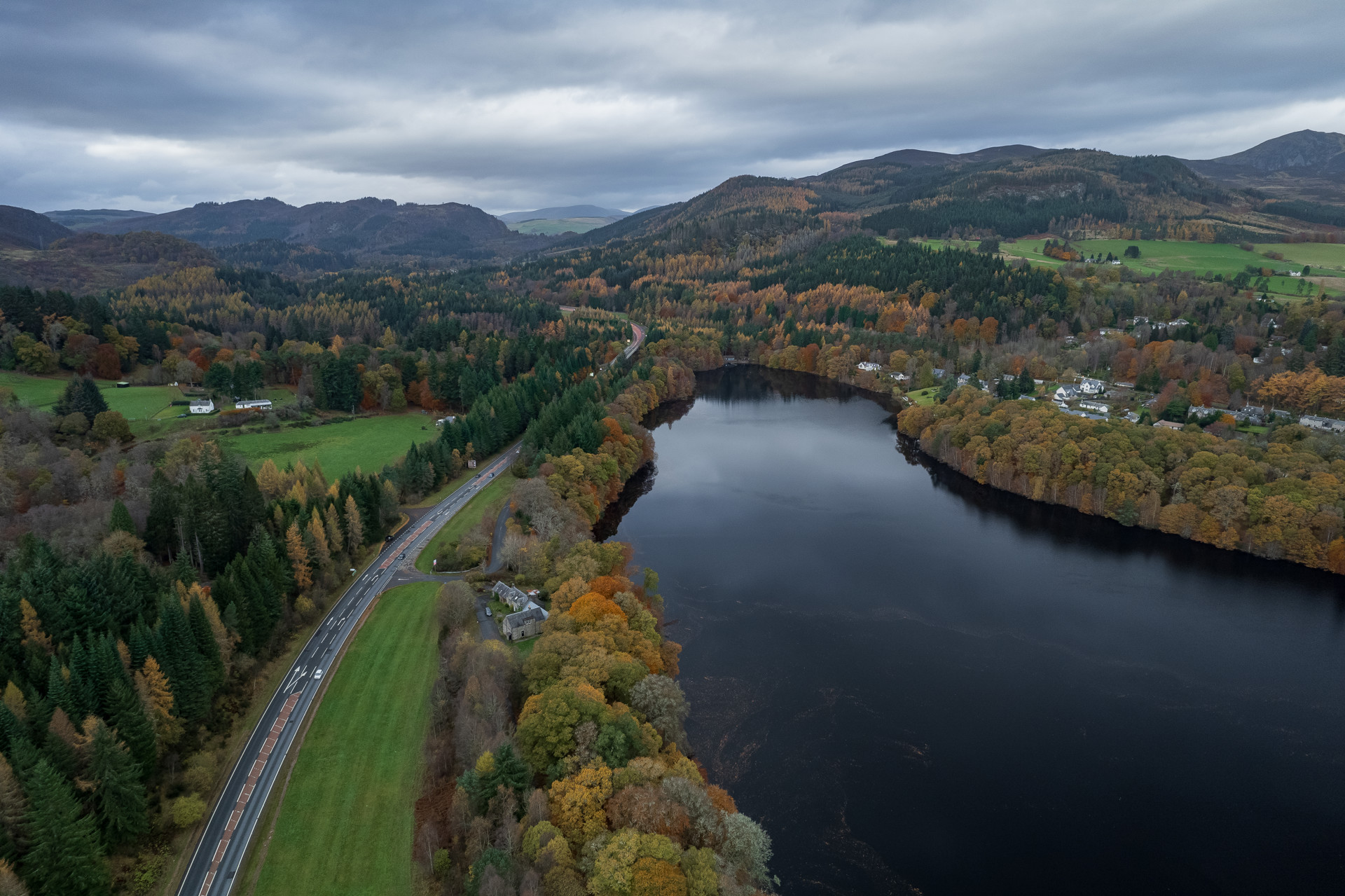
Transport Scotland has outlined the next stage of enabling works for the A9 dualling programme between Pitlochry and Killiecrankie, with specialist tree felling and vegetation clearance scheduled to begin in November. The activities will prepare the 6.4km corridor for major road construction while addressing environmental restrictions and interfaces with an operating trunk road, the Highland Main Line and the River Tay.
Geo Rope Limited was awarded the separate advance works contract earlier in October. Transport Scotland expects clearance to begin around 10 November and continue into March 2027, subject to conditions on site. Completing these operations in advance will reduce the number of environmental and access constraints left for the contractor appointed to undertake the main road works.
On 20 October, Transport Scotland announced its intention to award the main £220.02m construction contract to Wills Bros Civil Engineering. The decision remains subject to the mandatory procurement standstill and formal award, and Wills Bros has not been appointed under the clearance contract. Geo Rope’s separate work is a preparatory operation rather than commencement of the principal carriageway construction.
Removing vegetation beside an active transport corridor involves work zones, access controls and protection measures suited to the available ground. Transport Scotland identifies proximity to the A9, the Highland Main Line and the River Tay as important constraints. Tree removal beside vehicles and trains requires coordination with operating infrastructure, while the terrain and river setting can influence safe access and handling of felled material.
Ecological restrictions, including controls intended to protect nesting birds, limit when tree felling can take place. If clearance were left to the main construction phase, that seasonal constraint could delay earthworks and road construction once the larger workforce and plant had mobilised. The separate advance contract is intended to complete permitted preparation within the available window and reduce that particular programme risk.
Transport Scotland project manager Joel Morrison said periods of traffic management were likely to be required to protect road users and the workforce. The agency plans to communicate restrictions to local residents and drivers before measures are implemented. Neither the dates nor the exact arrangement of individual closures and temporary traffic management installations have yet been specified in the update, so the construction programme should not be read as confirmation of particular road closures.
Geo Rope director Niall McLean also pointed to the constraints created by the live road, railway and river. Site access, exclusion zones and removal of cut material will have to be managed around those assets and the applicable environmental controls. The work is therefore being planned as a specialist engineering operation, not simply clearance ahead of landscaping.
Other risk reduction activities have already taken place, including archaeological investigations and demolition of vacant properties. Such work can reveal site conditions and clear constraints that would be more expensive to resolve once a large roadbuilding workforce, plant fleet and temporary traffic management arrangements are fully established. Completing advance packages also gives the client better information on interfaces that the eventual main contractor will inherit.
Transport Scotland says the route design has sought to minimise woodland loss and that replacement planting is planned where removal cannot be avoided. The agency has obtained the required statutory consents for the project, although that does not mean every temporary construction arrangement has already been finalised. Replacement planting will take time to develop into connected woodland habitats, and the immediate effects of vegetation loss and construction activity remain part of the delivery challenge.
The 6.4km project forms part of the wider effort to convert the A9 between Perth and Inverness to dual carriageway. Planned improvements include grade-separated junctions, active travel provision and flood mitigation measures. The trunk road must remain usable while works are planned and carried out, adding staging and traffic requirements beyond those of a new road built in an isolated corridor.
The main package is expected to create local supply chain opportunities and employment, with Transport Scotland’s procurement announcement identifying potential roles for graduates, apprentices and new entrants. Those projections concern the larger dualling contract, not Geo Rope’s clearance package, and depend on the main procurement progressing as expected.
Vegetation clearance is expected to begin in November and continue during the winter, while the proposed main construction contract moves through the remaining procurement stages. Formal award, contractor mobilisation and roadbuilding are distinct milestones. Transport Scotland’s decision to commission clearance separately should allow the principal programme to proceed without waiting for a later suitable tree felling season, provided the advance work is completed as planned.