IN Brief:
- UK construction output is forecast to fall 4.0% in 2026 before increasing 0.4% in 2027.
- Private housing new build and repair, maintenance and improvement remain particularly exposed to finance and household cost pressures.
- Water, energy infrastructure and some public building work provide growth opportunities despite weaker expectations elsewhere.
Construction Products Association (CPA) has downgraded its outlook for UK building activity, forecasting a 4.0% reduction in construction output during 2026 followed by growth of only 0.4% in 2027. Its autumn forecasts point to a prolonged squeeze on privately financed work as higher energy prices, borrowing costs and uncertainty about future demand combine to make projects harder to justify.
The association’s summer outlook anticipated a 3.3% fall in 2026 and a 1.2% recovery the following year. The revised assessment removes most of that anticipated 2027 growth, with further losses expected in private housing construction and home improvement work. Infrastructure contracts and some public building programmes are expected to sustain activity, but the CPA sees little prospect of a broad recovery within the forecast period.
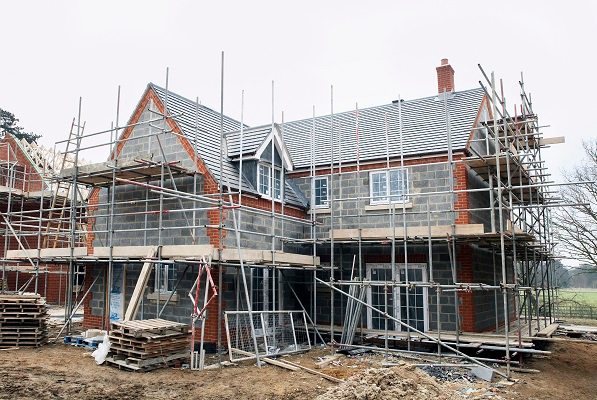
Private housing new build is forecast to contract by 10.0% in 2026 and a further 3.0% in 2027. According to the CPA, housebuilders have reported a deterioration in buyer demand and construction activity since the spring, with higher mortgage rates adding to the difficulties faced by purchasers. When fewer buyers can afford the monthly repayment on a newly built property, developers have less certainty over sales rates and the cash flows needed to commit to another phase of work.
A further constraint lies in the cost of making a development commercially viable. Land, borrowing, building materials, labour and infrastructure obligations must be covered by the expected return from the completed homes. When input prices and finance costs increase while sales values and absorption rates remain uncertain, developers may have to reconsider a site’s specification, phasing or commercial terms. The CPA identifies this pressure on project viability alongside weakened buyer demand.
The proposed Your First Home equity loan scheme may help buyers meet deposit requirements, especially in more expensive areas, although the CPA says details and a start date are still needed. Mortgage payments would continue to depend on prevailing lending rates and household income, even if the deposit burden falls. The association therefore does not attribute a quantified improvement in housing starts to the scheme.
Private housing repair, maintenance and improvement is expected to fall 8.0% this year and another 2.0% next year. Household spending on major alterations and extensions is vulnerable when inflation increases the cost of everyday expenditure and mortgage payments. The CPA distinguishes that discretionary work from basic repairs, which have remained more stable, and from specific activities such as fire safety remediation, solar photovoltaic installations and heat pumps, which continue to support parts of the sector.
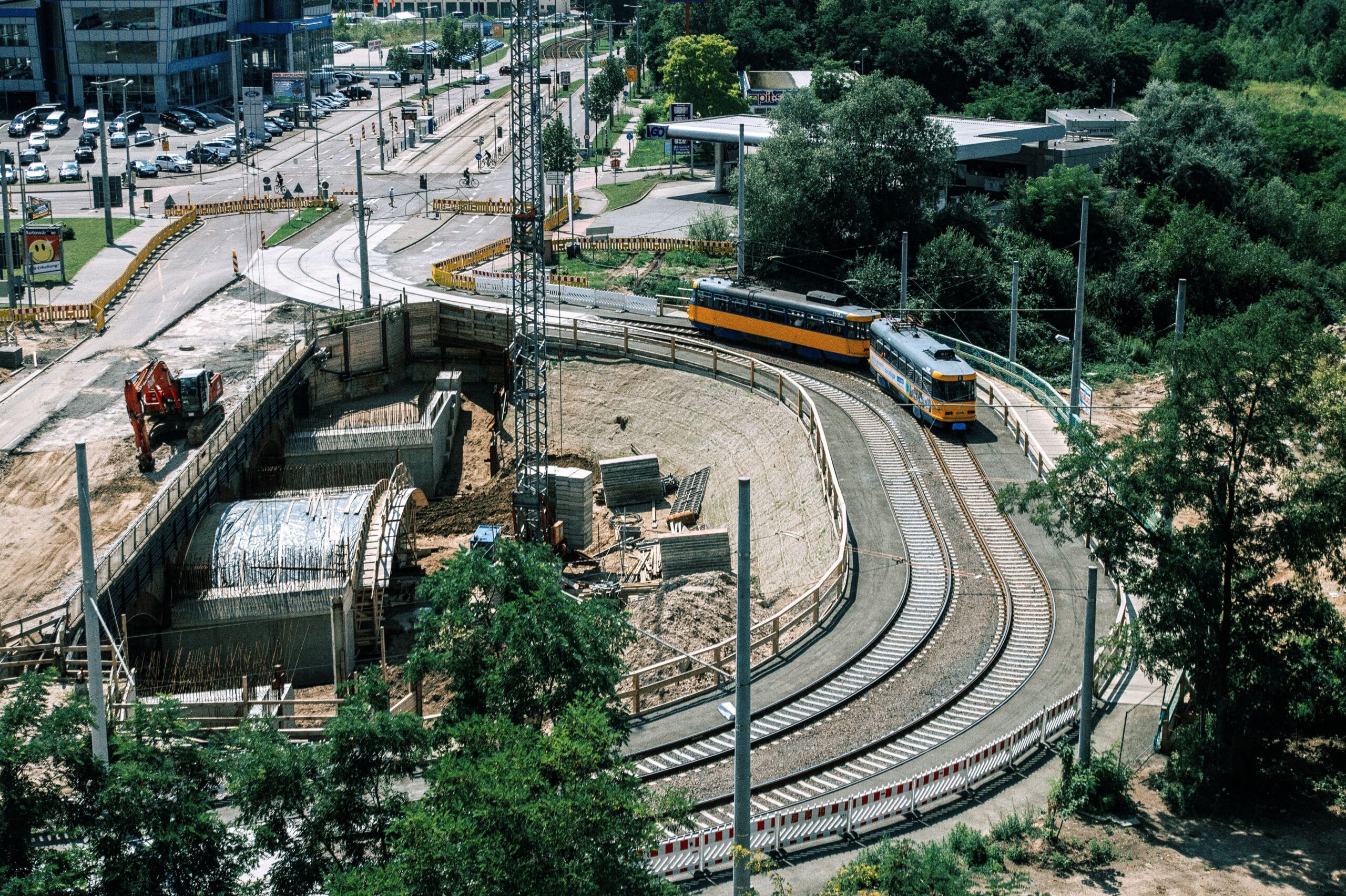
Infrastructure remains one of the few sectors with projected growth: 2.5% in 2026 and 2.9% in 2027, compared with the CPA’s previous estimates of 3.2% for both years. Existing construction contracts, energy generation and electricity distribution programmes, and investment in water assets provide a pipeline of work. Road and rail projects face a less secure outlook as funding allocations and delivery timetables come under renewed scrutiny.
Possible road scheme delays and the continuing reset of HS2 add uncertainty to those infrastructure projections. If new contracts are spread over more years, annual construction output can be reduced without formally cancelling the programme. A slower sequence may also change when specialist equipment, site teams and subcontractors are required, even though the total scope of the underlying engineering work remains the same.
Published government materials data show why a single inflation figure cannot describe every contractor’s cost exposure. The all-work construction materials price index was 6.4% higher in August 2026 than a year earlier, but fabricated structural steel rose 21.2% and rigid pipes and fittings 15.5%. Ready-mixed concrete fell 0.7% and cement fell 0.8% over the same period. The composition and procurement timing of each project determine how much those movements affect its cost plan.
CPA head of construction research Rebecca Larkin said construction activity had already been lower in the first half of the year, before the full effect of higher oil and energy costs reached general inflation, construction prices and mortgage interest rates. The association expects that delayed pressure to continue through much of 2027, particularly where work depends on private investment confidence.
The CPA also identifies potential expansion in data centres, commercial refurbishment and fit-out, energy efficiency improvements, and public building programmes. Demand in these areas cannot be assumed to compensate individual businesses for falling housebuilding workloads: their construction methods, trade packages, equipment requirements and financing arrangements differ materially. A contractor with a strong civil engineering order book may face a different market from one dependent on private residential starts.
The revised figures precede the Autumn Budget on 28 October, when decisions on housing support and public capital expenditure could affect project pipelines. The CPA’s base forecast, however, is for a 4.0% contraction this year followed by only 0.4% growth next year. Commitments to water, energy and selected public buildings are expected to continue, while privately financed housing construction and major home improvements remain weak through 2027.