IN Brief:
- Recticel has opened an industrial-scale recycled polyol plant in Wevelgem, Belgium.
- The facility will initially recycle up to 4,000 tonnes of PIR waste a year into around 6,000 tonnes of recycled polyol.
- The recycled material can replace up to one-third of virgin polyol in PIR insulation boards.
Recticel Insulation has opened an industrial-scale recycled polyol plant in Wevelgem, Belgium, creating a closed-loop route for post-industrial PIR insulation waste.
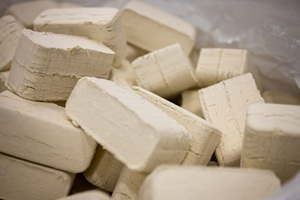
The facility converts PIR offcuts and production trimmings into recycled polyol for use in new insulation boards. Recticel said the plant will initially recycle up to 4,000 tonnes of PIR waste each year, producing approximately 6,000 tonnes of recycled polyol.
The recycled polyol can replace up to one-third of the virgin polyol used in PIR insulation boards while maintaining product performance standards. Recticel expects the recycled material to deliver around 40% lower carbon emissions compared with virgin polyol.
PIR insulation is widely used in construction because of its thermal performance, but high-performance materials often come with more complex production and end-of-life challenges. Recycling clean production waste back into raw material for new boards creates a more controlled route to circular manufacturing than relying on disposal or low-value recovery.
The first feedstock stream is post-industrial waste rather than mixed demolition waste. That gives the process a cleaner and more predictable material base, with fewer contaminants and a closer connection to the original product specification. It also allows the manufacturer to prove the chemistry, quality control, and finished-board performance before considering more complex take-back routes.
Low-carbon materials investment is accelerating across Europe. Ecocem’s Dunkirk ACT capacity plans, along with wider work on lower-carbon cement, recycled-content materials, electric process heat, and alternative fuels, show manufacturers moving beyond incremental product changes and into more substantial process investment.
Specifiers will focus on performance as much as circularity. Insulation sits inside a demanding technical environment shaped by energy performance standards, retrofit needs, condensation risk, fire safety, buildability, and certification. Recycled-content products must prove their environmental value without weakening the thermal, fire, durability, or installation characteristics that make them viable in the first place.
Supply consistency will also shape adoption. A plant recycling 4,000 tonnes of PIR waste each year is a meaningful industrial step, but circular supply chains depend on steady feedstock, predictable output quality, and logistics that do not erode the carbon benefit.
Broader collection and take-back systems will be harder to establish. Factory offcuts are clean and concentrated; site waste is more fragmented, contaminated, and costly to move. Demolition waste adds further complexity because older products may have uncertain composition or condition.
The economics of low-carbon products remain sensitive, especially where clients request improved environmental performance without allowing additional budget. Manufacturers that can reduce virgin raw material dependency while keeping product performance stable may gain an advantage as embodied carbon assessment becomes more common in procurement.
Recticel’s Wevelgem plant gives PIR insulation recycling an industrial-scale reference point. The next stage will be whether post-industrial recycling can expand into wider collection models while maintaining quality, certification, and commercial competitiveness.