IN Brief:
- Vital Energi is expanding the University of York's existing district heating network.
- The extension will provide 2,324kW of heating capacity to eight additional buildings.
- The wider geothermal development is supported by £35m through the Public Sector Decarbonisation Scheme.
Vital Energi is extending the University of York’s district heating network by more than 500 metres, connecting eight additional campus buildings ahead of the proposed introduction of heat generated from a geothermal well approximately four kilometres deep.
The underground infrastructure will provide 2,324kW of heating capacity to the additional buildings, allowing ageing gas boilers to be removed as the properties become connected to the central heating network.
The extension forms part of preparations for a geothermal development supported by £35m through the government’s Public Sector Decarbonisation Scheme. The university intends to use the project to reduce its dependence on fossil fuels while establishing a research environment for geothermal energy technologies.
Vital Energi has worked with the university for more than 15 years, having originally designed and installed its biomass and combined heat and power district heating infrastructure.
Extending that network will increase the proportion of the campus capable of receiving heat from centralised generation equipment, establishing connections that can subsequently accommodate the proposed geothermal source.
District heating networks distribute thermal energy by circulating heated water through insulated pipes. Water transfers heat to building services equipment before returning to the central system at a lower temperature.
The amount of thermal energy delivered depends on the water flow rate and the difference between supply and return temperatures. Increasing the number of connected buildings therefore requires consideration of the available pumping capacity, pipe diameters, and pressure losses throughout the network.
Extending the distribution pipework can also change hydraulic conditions within existing branches, affecting the balance between different parts of the system. The additional connected capacity of approximately 2.3MW must be accommodated alongside heating demand from buildings already receiving heat through the network.
Underground heating pipes incorporate insulation and protective outer casings to limit thermal losses and prevent moisture ingress. Their effectiveness depends partly on the condition of joints between pipe sections, where defects in the protective casing can allow water to penetrate the insulation.
The university expects the new underground infrastructure to have a service life of at least 50 years. Achieving that lifespan will depend on the quality of installation, the protection provided against external conditions, and the temperatures and pressures under which the network operates.
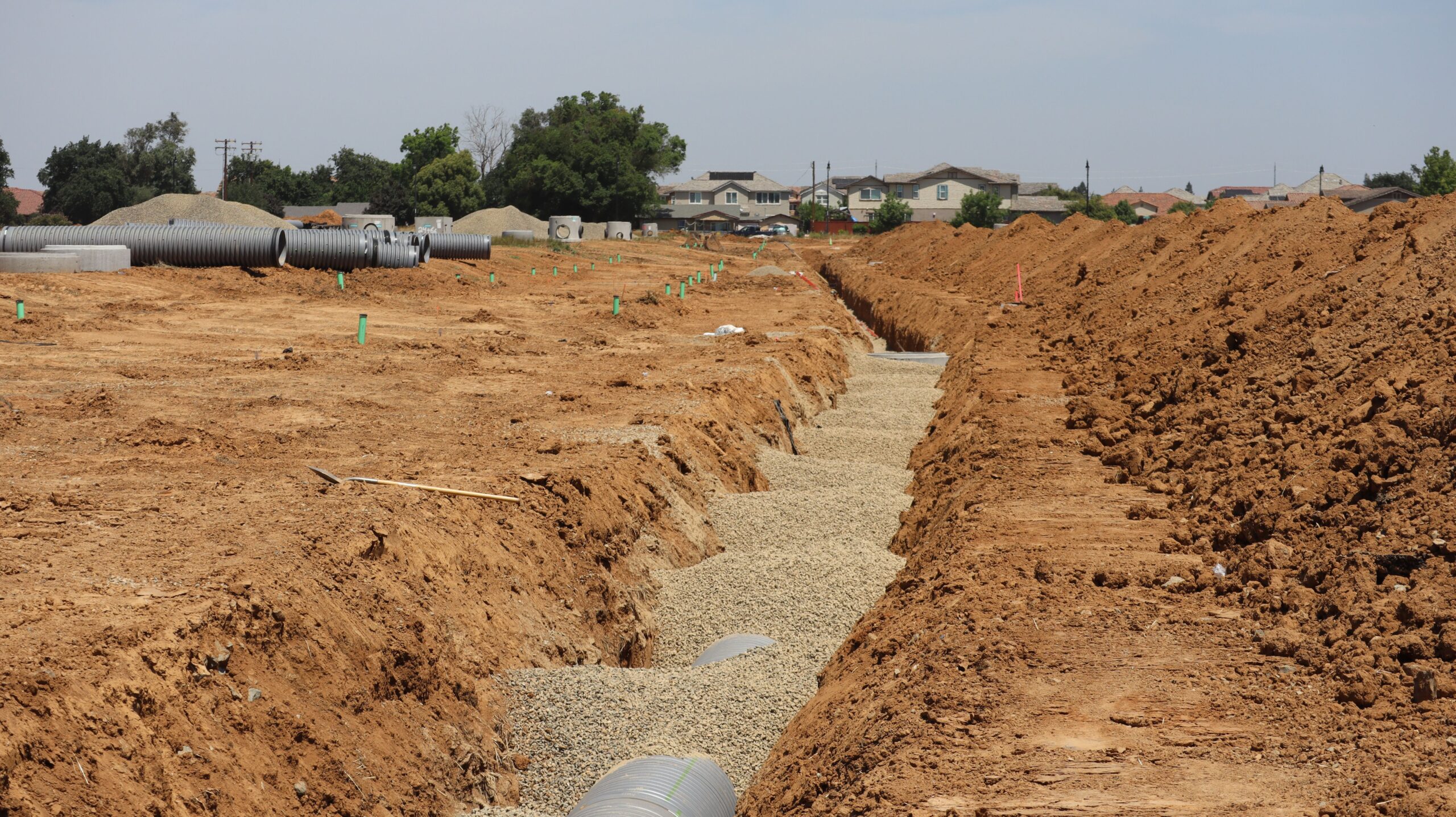
Civil engineering work has been underway since at least July. Installing the pipework within an established university campus requires excavation around existing services, coordination with access routes, and reinstatement of areas affected by construction.
At building level, district heating connections must accommodate the operating characteristics of existing heating and hot water systems. Heat exchangers can provide separation between central distribution pipework and individual building circuits, allowing each system to operate under appropriate pressure and water quality conditions.
The temperatures available from the district network must also remain compatible with the requirements of connected buildings. Heating equipment originally designed around higher-temperature boiler systems may require adaptations if future generation technologies operate at lower temperatures.
The proposed geothermal development introduces a new source of thermal energy into that existing infrastructure.
At a depth of approximately four kilometres, subsurface temperatures are expected to exceed those available through conventional shallow ground-source systems. Recovering useful heat nevertheless depends on the geological conditions encountered, well performance, and the configuration of surface equipment.
The university’s £35m funding allocation supports development of the geothermal source and its integration with the existing district heating network. The 2,324kW capacity associated with the latest network extension is a measure of the heat intended for the eight additional buildings, rather than a confirmed estimate of geothermal generation output.
York’s development sits alongside other projects establishing shared heating infrastructure around alternative sources of thermal energy. At Seaham Garden Village, for example, a mine-water district heating network is already supplying newly constructed homes.
Although the two projects use different methods of recovering subsurface heat, both rely on distribution infrastructure capable of transferring that energy from its source to individual buildings.
Connecting additional properties before the proposed geothermal plant becomes operational allows the university to progress that part of the construction programme independently of drilling and subsequent testing.
The university anticipates drilling activity during 2027, subject to the completion of preparatory work. Establishing a larger connected heating network will provide the distribution capacity through which the proposed geothermal system can subsequently serve a greater proportion of the campus.