IN Brief:
- Esh Construction has completed the first 72 homes within Karbon Homes' planned 750-property affordable housing programme.
- Three subsequent construction phases will deliver a further 167 family homes and apartments.
- The affordable properties will receive heat through a district network extracting thermal energy from former coal mine workings.
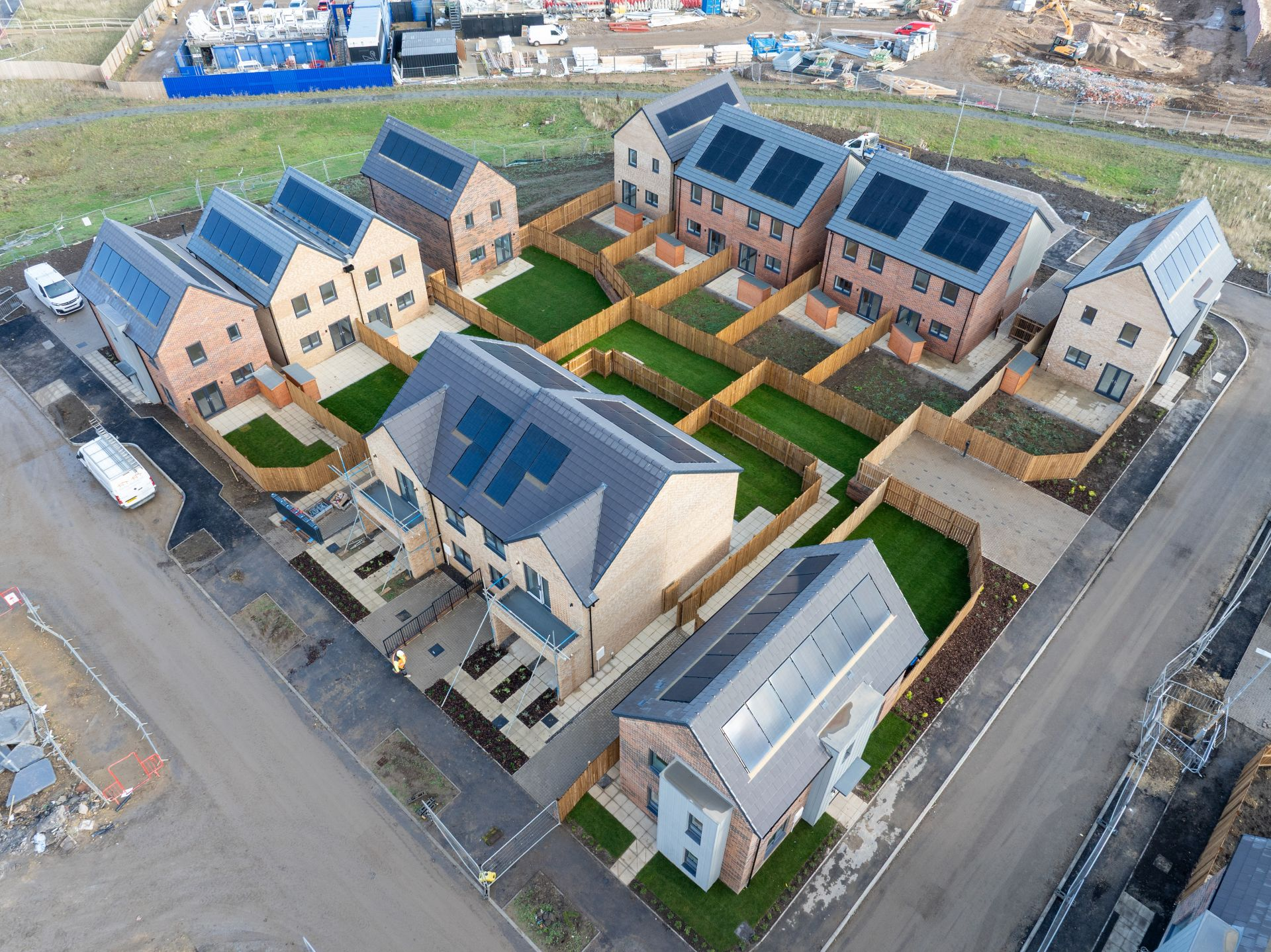
Esh Construction has completed the first phase of affordable housing at Seaham Garden Village in County Durham, handing over 72 homes to Karbon Homes as construction progresses across three subsequent phases of the development.
The completed properties form part of the 750 affordable homes Esh is delivering for the housing association across the 78-hectare site. Construction began in July 2024, with the first properties completed towards the end of 2025.
Karbon’s properties will provide accommodation across several tenures, including social rent, affordable rent, Rent to Buy, and Shared Ownership. Taylor Wimpey and Miller Homes are developing another 750 properties for outright sale within the wider garden village.
Mark Binns, operations director at Esh Construction, said: “This is a major milestone for our affordable housing division in the North East. Construction commenced in July 2024 and handing over the final homes on the very first phase is a highlight for the team. The collective effort from everyone involved has been paramount in reaching this stage, and it’s fantastic to see the development really starting to take shape.”
Construction is continuing across phases two, three, and four of Karbon’s development, which will collectively provide a further 167 family homes and apartments.
Fifteen properties within the second phase have already been handed over. Work on the remaining properties is progressing through various construction stages, while an apartment block containing 31 one-bedroom homes has reached roof covering installation and internal works.
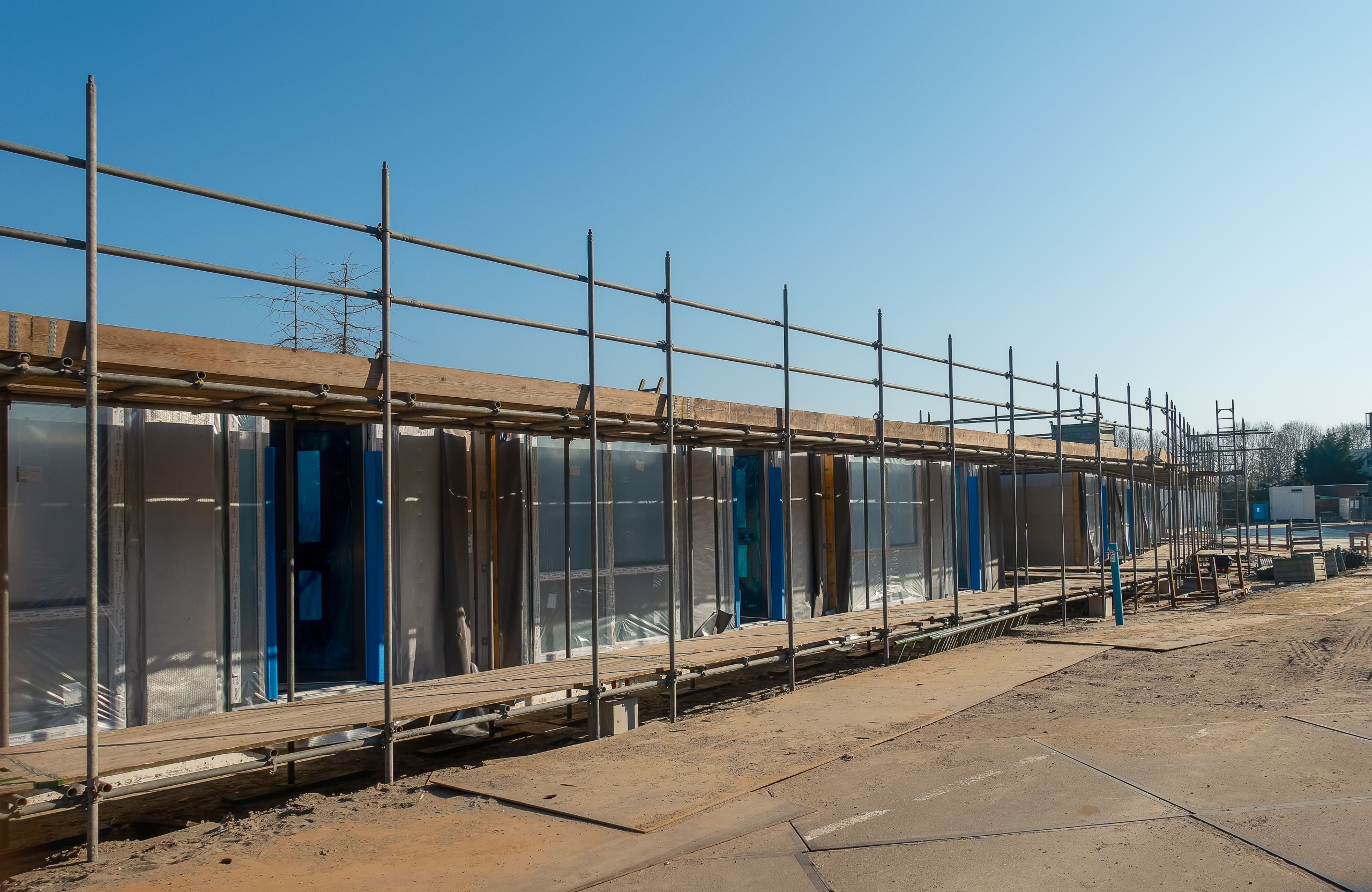
Construction of the third phase ranges from first lift brickwork to final fix activities, with its initial five homes scheduled for handover in early 2027. Foundation and substructure works have also commenced on the fourth phase.
These overlapping programmes require Esh to coordinate groundworks, structural construction, external envelope installation, internal services, and finishing trades while completed properties enter occupation.
As additional residents move into the development, construction traffic and access arrangements must accommodate occupied streets and homes. The phased delivery of utilities and shared infrastructure also becomes increasingly important, particularly where permanent systems serving completed properties extend into areas undergoing construction.
The development’s energy infrastructure includes a district heating network extracting thermal energy from water within former coal mine workings. Led by Durham County Council and the Mining Remediation Authority, the system has been delivered by Vital Energi.
The network entered operation in September 2026, with its initial capacity intended to serve Karbon’s 750 affordable properties. The Mining Remediation Authority has identified potential for expansion to supply up to 1,500 homes.
Thermal energy is recovered from mine water through heat exchange equipment, with heat pumps raising its temperature for distribution through the district network. Connected properties can consequently receive heat without requiring individual gas-fired heating installations.
The approach draws on existing mine-water infrastructure associated with the Dawdon treatment scheme. Extracting useful thermal energy from water that already requires management provides an opportunity to integrate former industrial infrastructure with new residential development.
The centralised heating installation must accommodate increasing demand as further construction phases enter occupation. Pipework capacity, network temperatures, property connections, and the operation of the energy centre all influence the performance of the system as the number of connected homes increases.
The network’s commissioning preceded completion of the first affordable housing phase, allowing the heating infrastructure to begin serving properties as they became available for occupation.
Sarah Robson, executive director of development and asset management at Karbon Homes, said: “We’re particularly proud to have our homes connected to the district heating network powered by mine water heat, harnessing the heritage of the area and giving people energy security and affordable energy for the long term.”
Additional energy efficiency technologies planned across the development include solar photovoltaic panels and battery storage. These systems will complement the district heating infrastructure by generating electricity locally and allowing some of that generation to be stored for subsequent use.
The wider development aims to achieve net-zero housing performance, although actual operational energy consumption and household costs will depend on the installed specifications, system performance, tariffs, and resident usage.
Approximately half of the garden village’s land area is intended for managed green space, incorporating more than three miles of landscaped walking and cycling routes. The masterplan also includes a primary school, convenience retail provision, and health and wellbeing facilities.
Karbon’s affordable housing programme receives funding through its strategic partnership with Homes England under the Affordable Homes Programme 2021–26. Following completion of the first 72 properties, construction priorities include further second-phase handovers, completion of the apartment block, and delivery of the initial third-phase homes during early 2027.