IN Brief:
- STRABAG has created the roxit umbrella brand for its building materials activities.
- The network covers more than 300 locations across 12 countries, including concrete plants, quarries, gravel pits, and bitumen operations.
- The move reflects rising pressure around supply security, recycling, resource efficiency, and lower-carbon materials.
STRABAG has consolidated its building materials activities under the new roxit umbrella brand, bringing together production, processing, refinement, and recycling operations across Europe.
The roxit organisation operates at more than 300 locations in 12 countries and is active in international project business. Its network includes 116 concrete batching plants, more than 70 quarries, 17 sand and gravel pits, and a dozen bitumen emulsion and polymer-modified bitumen plants.
The business employs around 3,000 people and produces approximately 3m cubic metres of concrete and 24m tonnes of stone and gravel each year. Its portfolio covers concrete, stone, gravel, bitumen, bitumen emulsions, joint sealing, milling, recycling, and mineral-based construction and insulation materials.
STRABAG has positioned the move as a response to pressures in the European building materials market, including rising construction and raw material costs, uncertain supply chains, sustainability requirements, recycling demand, and the need to use resources more efficiently.
The consolidation is intended to create a clearer materials platform across key stages of the value chain. That includes extraction, processing, refinement, recovery, and the use of secondary materials. The company is also placing emphasis on circular material flows, renewable raw materials, low-carbon concrete pilots, and alternative powertrain technologies in quarry operations.
Building materials supply is no longer only a purchasing question. It is increasingly tied to carbon reporting, logistics resilience, recycling routes, specification compliance, price volatility, and the ability to secure consistent product at the right time. Contractors working across infrastructure and building projects now need visibility across product performance, origin, emissions, and availability.
Large contractors with integrated materials platforms can gain advantages when markets are volatile. Quarries, batching plants, asphalt capacity, recycling facilities, and logistics networks give more control over availability and quality. They also support circular models where arisings, demolition materials, and recovered aggregates can be processed back into construction supply chains.
The move comes as European construction faces competing demands from housing, infrastructure, energy, transport, public buildings, and climate adaptation. Work on European construction capacity has shown how labour, materials, procurement, and regulatory systems are all under pressure. Materials networks that can operate across borders and project types are becoming more strategically valuable.
Resource efficiency is now a commercial issue as much as an environmental one. Aggregates, concrete, asphalt, and bitumen sit at the base of infrastructure and building delivery. If extraction, processing, transport, or recycling becomes constrained, the effect is felt quickly across roads, rail, housing, utilities, and commercial development. A more integrated materials business can help manage those pressures, while also drawing attention to competition and access in local markets.
STRABAG’s emphasis on recycling and recovery is particularly relevant. European policy is pushing construction toward circularity, while clients increasingly seek evidence of recycled content, waste reduction, and lower embodied carbon. The operational challenge is substantial. Recycling construction materials at scale requires sorting, testing, processing, certification, and predictable demand. It also needs project teams to design for reuse and specify secondary materials with confidence.
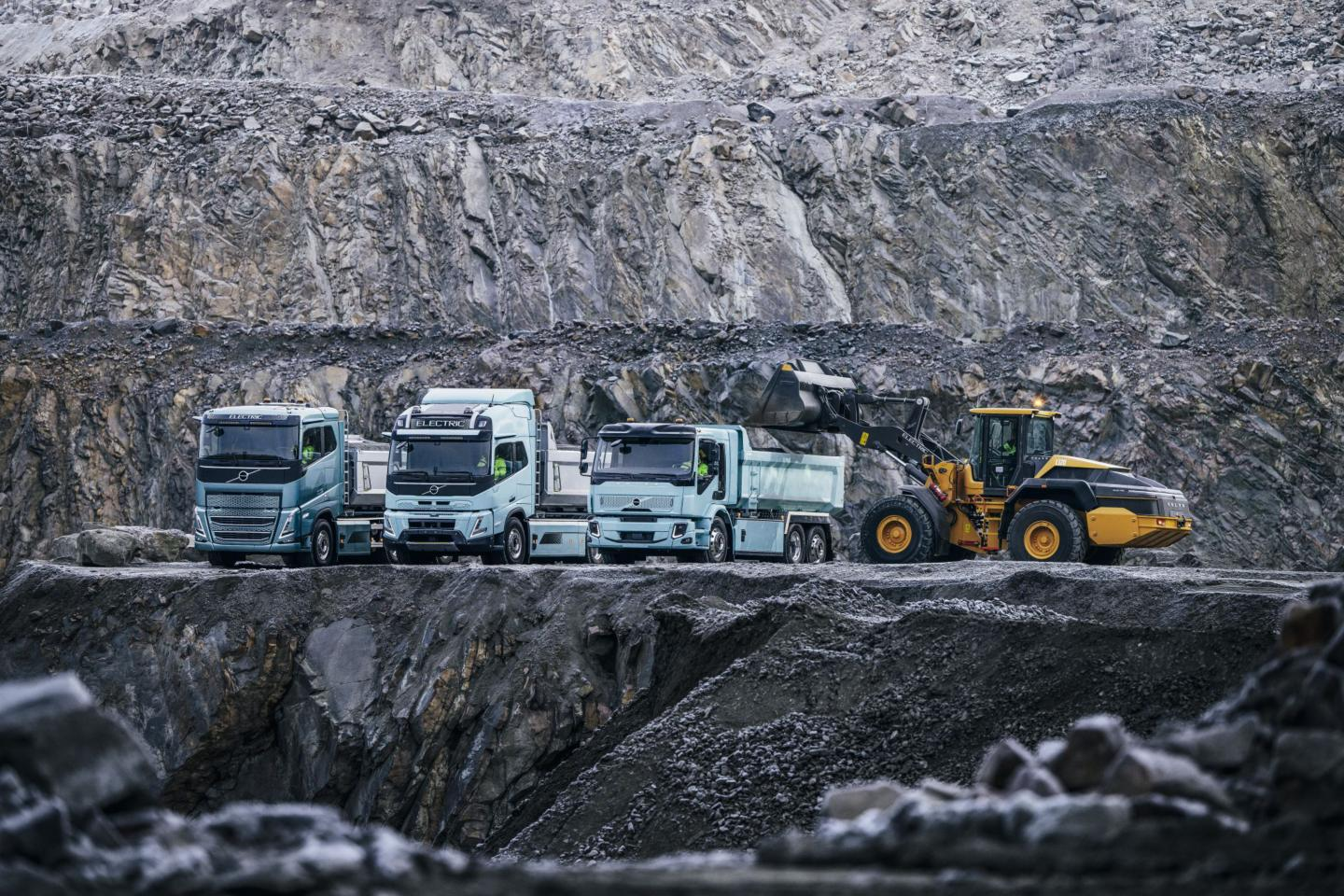
Quarry operations are another area of change. STRABAG has pointed to conveyor systems that generate energy, greater use of self-generated solar electricity, diesel replacement, climate-friendlier fuels, and trials involving green hydrogen for heavy equipment. Those measures show how decarbonisation is moving into the upstream part of construction, where process energy, extraction, crushing, handling, and haulage all affect the carbon profile of finished materials.
The roxit brand may also make the group’s materials offer easier to procure and understand across markets. Contractors and clients increasingly want transparent data on product origin, recycled content, emissions, and technical performance. A consolidated brand can support that if the underlying systems produce reliable evidence rather than simply a new identity.
The construction sector has spent years discussing lower-carbon materials, but adoption depends on scale. A network of more than 300 locations gives roxit a sizeable platform from which to test, produce, and distribute materials under consistent standards. The practical measure will be whether the platform improves availability, reduces resource waste, and supports lower-carbon construction without adding complexity for project teams.