IN Brief:
- Scottish Canals has appointed Redpath Construction as principal contractor for the refurbishment.
- The programme includes insulation, glazing, ventilation, lighting, and external building fabric improvements.
- Visitor facilities will close from 1 January to 11 March 2027 before a phased reopening.
Redpath Construction has been appointed principal contractor for a £3.3m refurbishment programme at the Falkirk Wheel Visitor Centre, incorporating improvements to the building envelope, mechanical and electrical services, accessibility, and surrounding external areas.
Scottish Canals has scheduled the start of construction for 7 December, ahead of the attraction’s 25th anniversary in 2027. The refurbishment is expected to take approximately ten months, with work coordinated around the operation of a site receiving around 500,000 visitors annually.
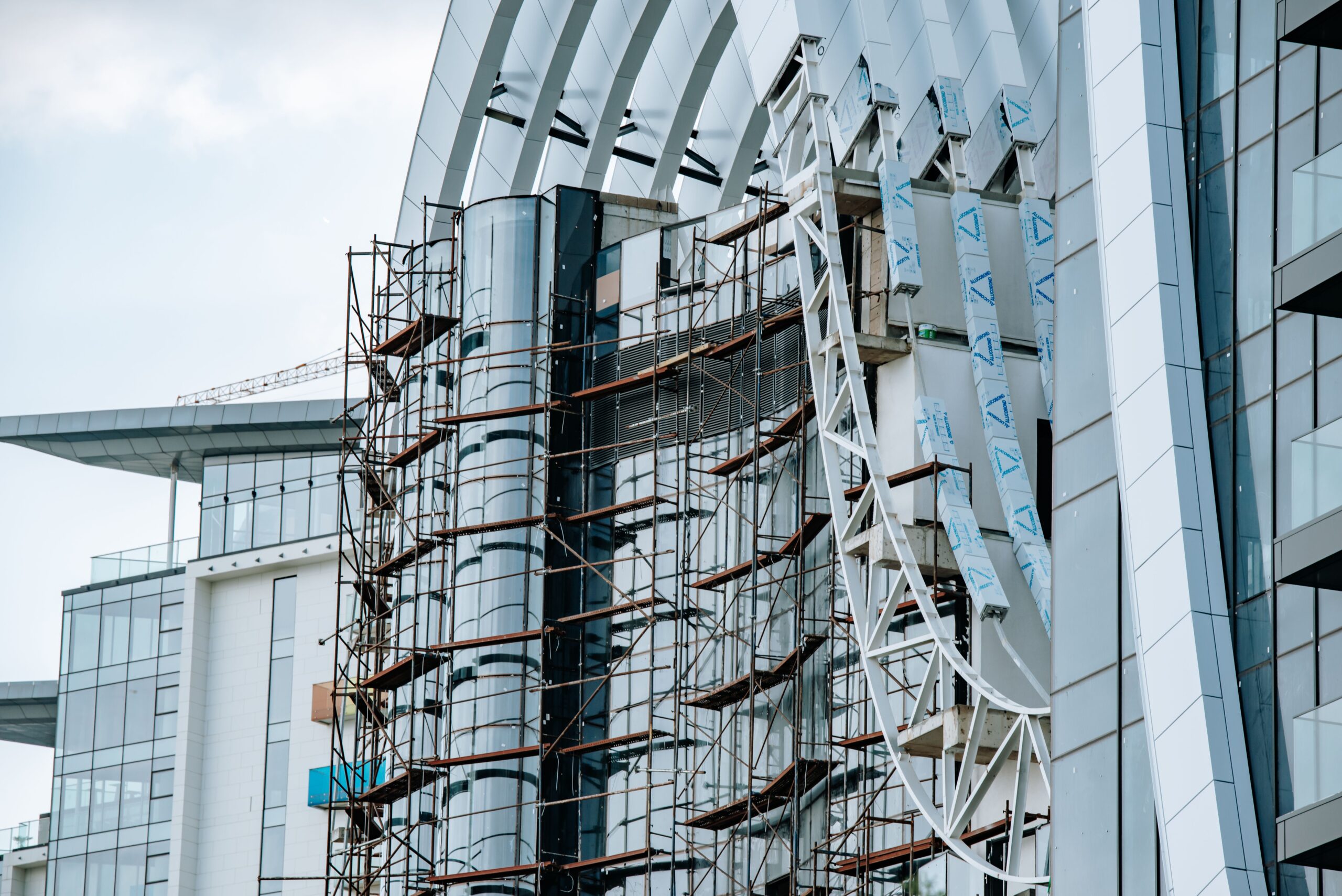
The programme includes additional insulation, improvements to glazing, and upgrades to heating, cooling, ventilation, and lighting equipment. Existing external building materials will also be replaced with more durable alternatives.
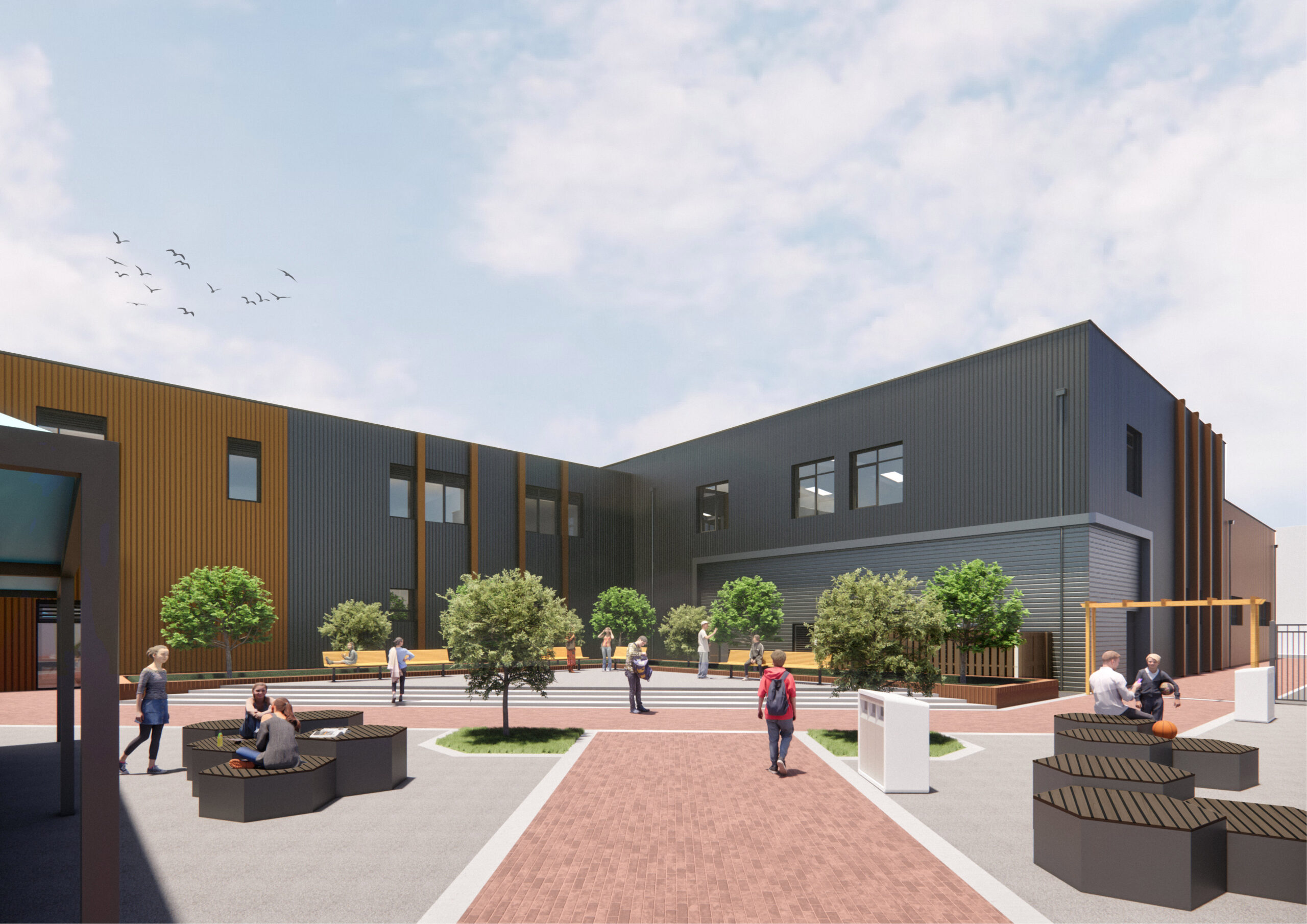
Internally, Redpath will improve public toilets and family facilities, incorporate a Changing Places toilet, and refurbish accommodation used by schools and community organisations. External improvements will address pedestrian routes and landscaping around the visitor centre.
Funding comes from Scottish Canals’ Capital Investment Programme and the Scottish Landfill Communities Fund.
The attraction will remain open throughout December before closing from 1 January to 11 March 2027. Scottish Canals subsequently intends to reopen visitor facilities progressively while construction continues.
Earlier investment at the Falkirk Wheel has included the replacement of gas boilers with air source heat pumps, alongside photovoltaic generation and changes to passenger boat propulsion. The latest construction programme will address the building’s thermal demand alongside those improvements to its energy supply.
Heat loss through walls, roofs, glazing, and other elements of the building envelope influences the capacity and running time of mechanical heating equipment. Improving insulation and window performance can reduce that demand, allowing existing generation systems to operate under different loading conditions.
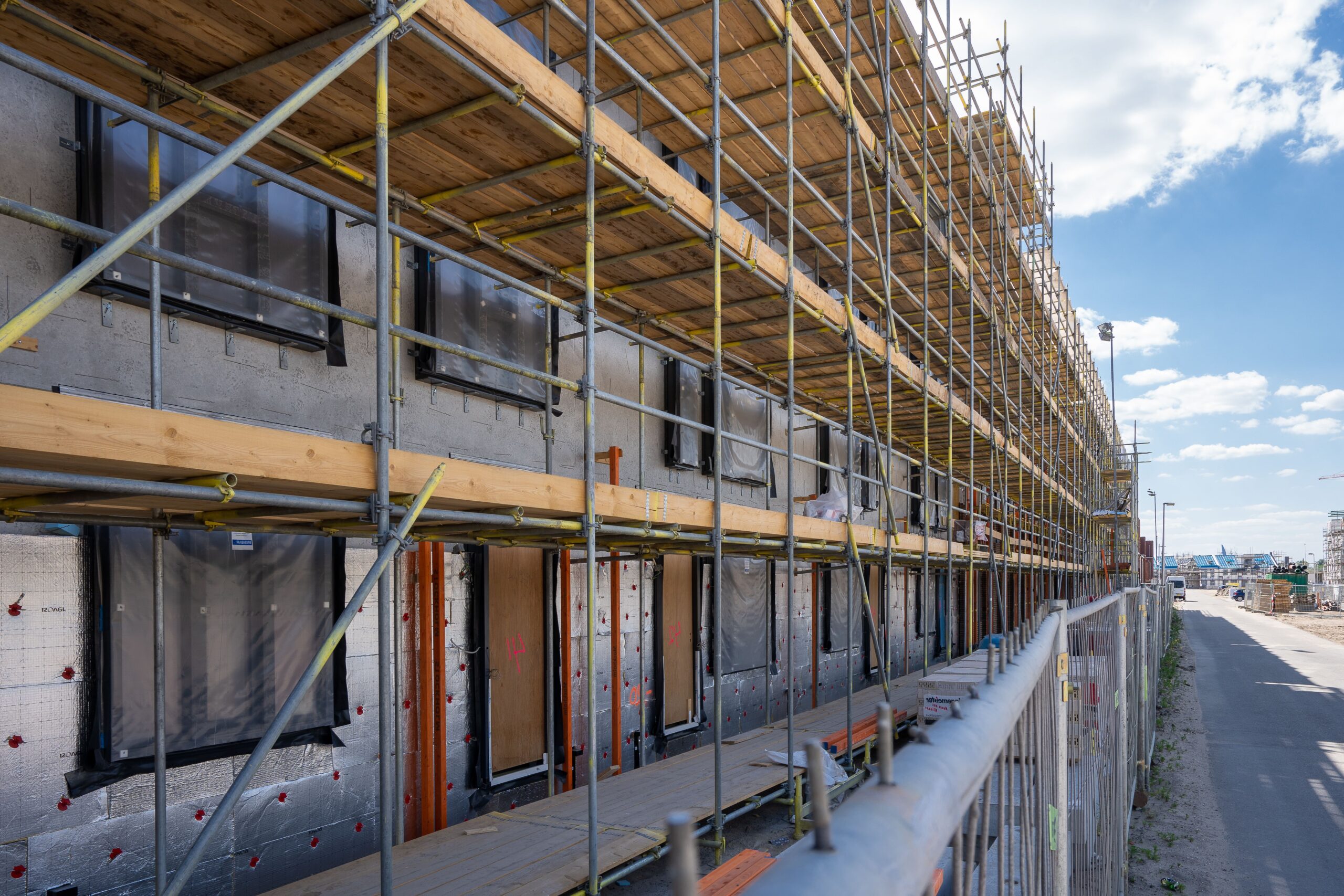
The effectiveness of the improvements will depend partly on the continuity of insulation around structural connections, window openings, and other junctions. Interruptions in the insulating layer can create thermal bridges through which heat passes more readily than through the surrounding construction.
The relationship between the upgraded envelope and existing heat pumps will also influence energy consumption. Heat pump efficiency generally improves when heating systems can operate at lower delivery temperatures, although the achievable reduction depends on the performance of the building and its heat distribution equipment.
Improving airtightness can reduce uncontrolled ventilation losses, but mechanical systems must continue to provide appropriate fresh air supplies. Occupancy at the visitor centre varies throughout the day and across the year, creating changing requirements for ventilation, heating, and cooling.
Replacing conventional lighting equipment with more efficient alternatives can reduce electricity consumption while lowering internal heat gains. Those changes may also affect the mechanical cooling required during periods of high occupancy or warmer external temperatures.
Replacing existing external materials will require the contractor to establish their relationship with the underlying structure. New envelope systems must accommodate weather exposure, drainage, and moisture movement, particularly where insulation arrangements differ from those used in the original construction.
The proposed accessibility improvements introduce separate spatial and servicing requirements. Changing Places facilities need sufficient accommodation for specialist lifting equipment, accessible sanitary fittings, and assisted use. Integrating such facilities into an existing building requires coordination between internal layouts, structural support, plumbing, and electrical services.
Construction during the operational periods will require careful management of the boundary between visitors and working areas. Temporary partitions, delivery routes, equipment movements, and material storage arrangements must evolve as different sections of the building become available for refurbishment.
The principal closure period coincides with annual maintenance at the Falkirk Wheel itself, enabling Scottish Canals to undertake work on normally submerged components and associated canal infrastructure while visitor facilities are unavailable.
The rotating boat lift, opened in 2002, connects the Forth and Clyde Canal with the Union Canal. Its construction replaced the need for vessels to negotiate a former sequence of locks, using rotating water-filled gondolas to transfer boats between different elevations.
Scottish Canals is also progressing improvements to the nearby Falkirk Flight and developing a centre of excellence for canal infrastructure and traditional skills at Lock 16. These projects address the engineering and maintenance requirements of the wider canal network alongside investment in visitor facilities.
At the Falkirk Wheel, the December start will allow Redpath to establish its initial construction arrangements before the main closure period begins. The planned March reopening will then require the contractor to coordinate continuing refurbishment with the gradual return of visitor operations.