IN Brief:
- LiuGong Machinery UK is challenging the application of UK tariffs to battery-electric excavators imported from China.
- The tariff applies to certain tracked excavators in the 11-tonne to 80-tonne range.
- The case links plant procurement, net-zero policy, and the cost of electric construction equipment.
LiuGong Machinery UK is challenging the UK’s treatment of Chinese excavator imports, arguing that battery-electric machines should not be caught by the same tariff regime as diesel-powered equipment.
The dispute centres on anti-dumping measures applied to certain self-propelled tracked excavators imported from China. The duties range from 18.81% to 40.08% and cover machines in the 11-tonne to 80-tonne range. LiuGong’s argument focuses on whether electric excavators should be treated as a distinct product category when the UK is also encouraging lower-emission construction equipment.
The case is commercially important because electric machines remain more expensive than diesel equivalents in many parts of the market. A tariff that increases the landed cost of electric excavators could slow adoption among contractors and plant hirers just as clients, councils, and infrastructure owners begin to specify lower-emission site operations.
Trade remedies are designed to protect markets against unfair pricing, but construction equipment procurement is increasingly tied to carbon reduction, air quality, and site emissions. When those objectives overlap, imported low-emission machinery becomes difficult to treat solely through the lens of conventional plant competition.
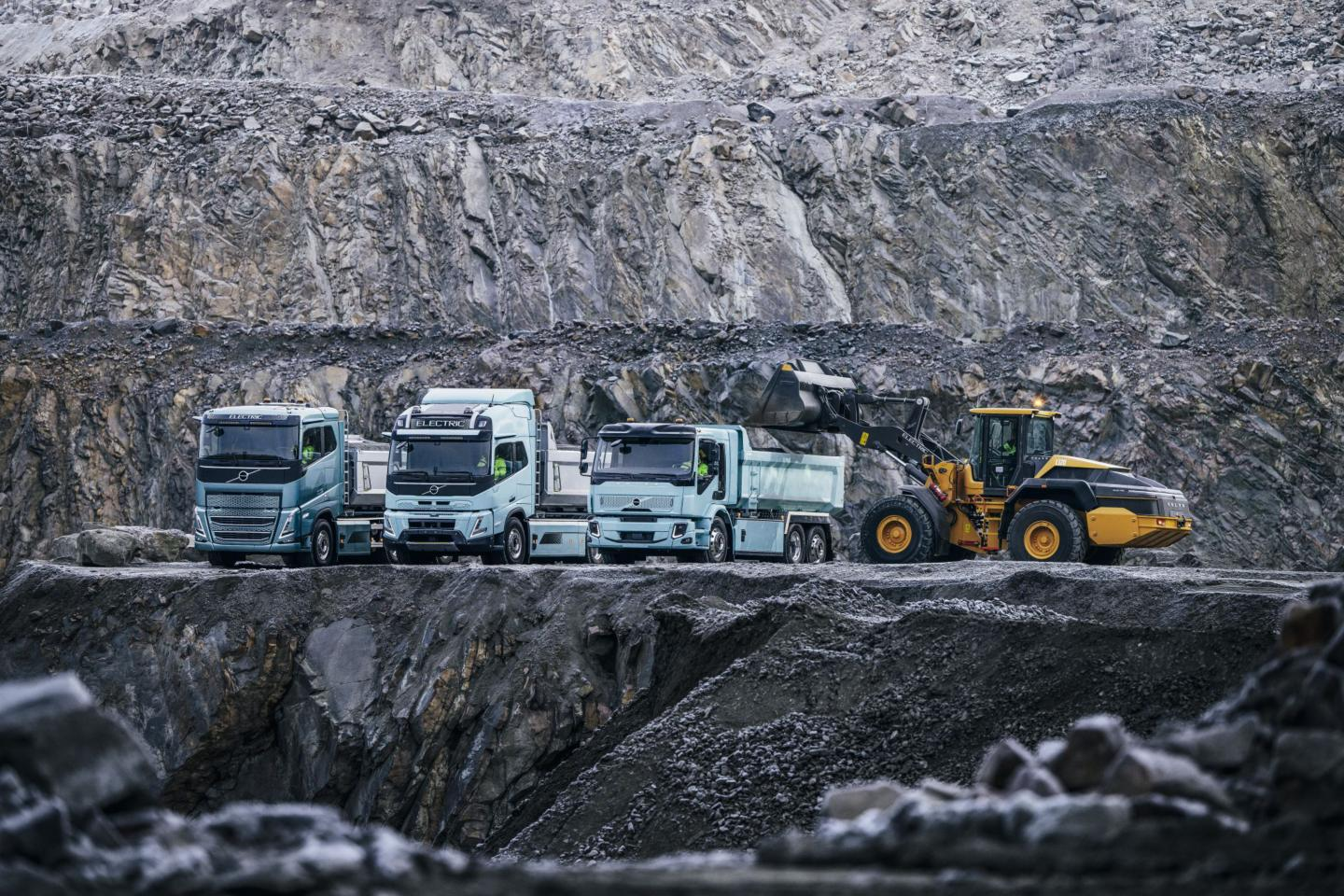
The construction plant market is already moving towards electrification, although progress remains uneven across machine types and duty cycles. Manufacturers are pushing electric machinery, charging arrangements, and site trials, including electric construction equipment demonstrations linked to urban infrastructure work. The direction of travel is clear, while the economics remain sensitive.
Battery-electric excavators can reduce local emissions, cut noise, support enclosed or urban working, and help contractors meet client carbon requirements. They can also introduce new practical demands around charging capacity, utilisation planning, transport, battery management, operator training, and total cost of ownership.
Those costs shape procurement decisions. Contractors and hirers rarely buy plant on environmental claims alone; machines must be productive, available, supportable, and commercially competitive across a working life. Purchase price, residual value, service networks, battery performance, charging infrastructure, and duty cycle suitability all affect adoption. Tariffs add another cost variable to a business case that is still developing.
The dispute also exposes a structural challenge in UK construction decarbonisation. Much of the plant fleet is supplied by global manufacturers operating across European and Asian production networks. Domestic policy can encourage cleaner equipment, but procurement still depends on international supply chains, imported components, and trade rules that were not always designed around low-carbon transition.
Product definition sits at the centre of the debate. A battery-electric excavator performs the same core function as a diesel excavator, but the drivetrain, emissions profile, service requirements, cost structure, and market maturity are different. Treating both products identically may simplify administration, although it risks missing the practical distinction between conventional equipment and machinery designed to reduce site emissions.
Price and availability will decide how quickly electric excavators move from specialist use into mainstream deployment. If the machines remain expensive and hard to access, uptake will be limited to projects where clients pay for the benefit or planning conditions require low-emission equipment. If public policy encourages cleaner sites while trade policy increases the cost of imported electric plant, suppliers and hirers may delay investment in larger fleets.
The outcome will be watched closely by manufacturers, rental companies, contractors, and public clients. Construction plant electrification is advancing, but the market still needs stable signals on cost, charging, regulation, and demand. Trade policy has now become part of that calculation.