IN Brief:
- A 12-inch gas main was damaged during works near Curlew House in Enfield on 16 November.
- Firefighters reported around 300 people evacuated, with two schools closed as a precaution on 17 November.
- The incident is under investigation, and the cause beyond the confirmed construction-related strike has not been established.
Construction work near Curlew House on Enfield’s Alma Estate ruptured a 12-inch gas main on 16 November, prompting the evacuation of approximately 300 people from nearby homes. The London Fire Brigade confirmed that a main had been damaged during construction activity in Napier Road, Ponders End. Emergency arrangements and repairs extended into 17 November, when two local schools closed as a precaution while the incident remained unresolved.
Firefighters were called at approximately 12.13pm on Monday 16 November after the gas escape was reported. The brigade said people were moved to a rest centre while emergency services and the gas network operator worked at the scene. Local reporting subsequently put the number of families accommodated in hotels overnight at 39. That figure is a separate measure from the brigade’s approximately 300 evacuees and is not an independently confirmed total for residents unable to return home.
Alma Primary School and Oasis Academy Hadley were advised to close on Tuesday as a precaution while work to repair the damaged main continued. Their closure was a response to the ongoing gas emergency; there was no reported second leak or confirmed structural damage to the schools. The sources available on 17 November did not establish when every evacuated household could return or when the main would be fully reinstated.
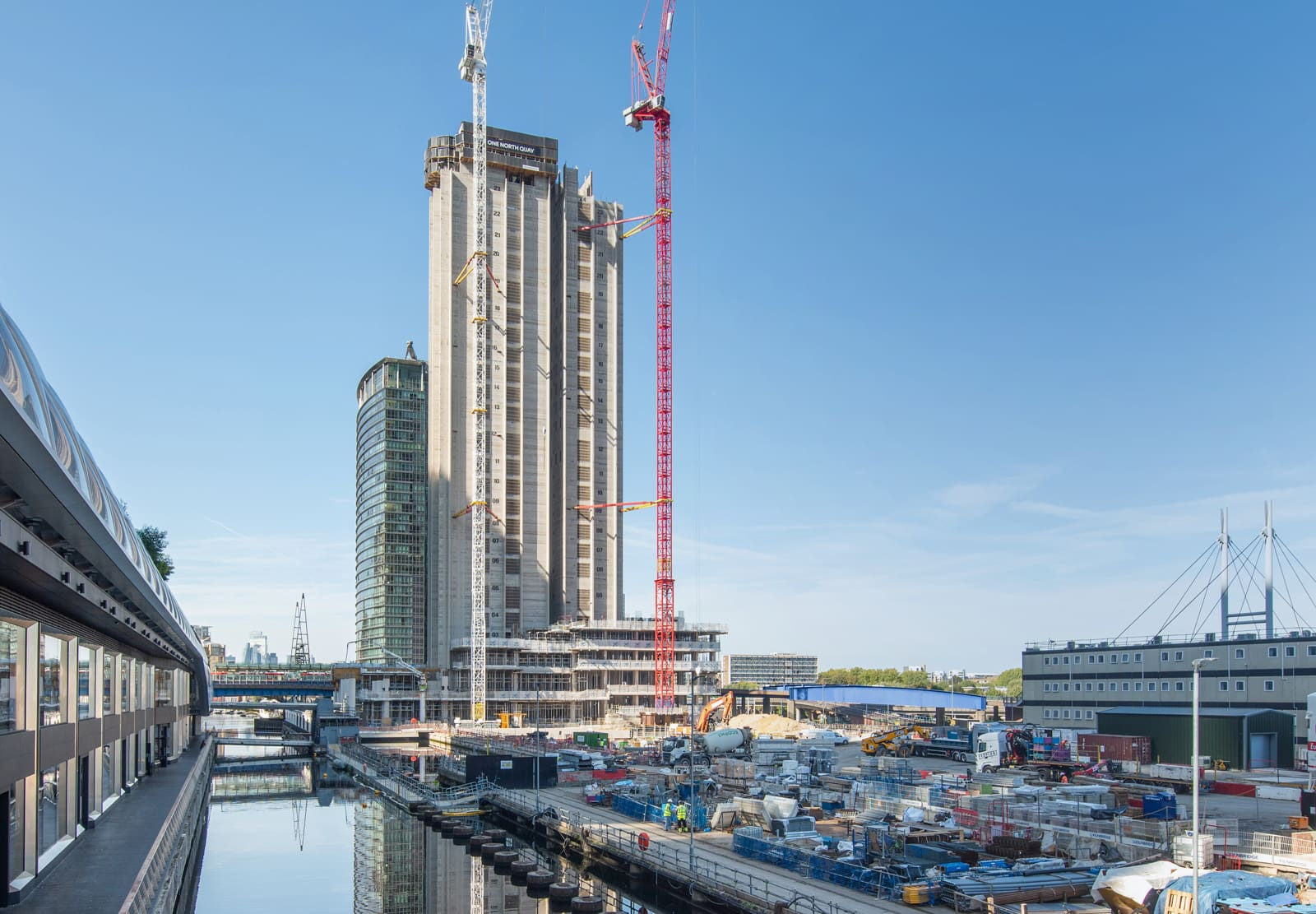
The damage occurred in the vicinity of Curlew House, which forms part of the wider Alma Estate regeneration programme led by Enfield Council and Countryside Partnerships. The scheme has involved demolishing existing blocks and replacing housing and public facilities in phases. Enfield Council has previously said hundreds of replacement homes have already been delivered, while later phases include further demolition and residential construction. The programme’s scale helps explain why construction work and occupied neighbourhoods are operating close together, but it does not identify the activity or equipment that caused this particular strike.
Goody Demolition, identified in construction trade reporting as the contractor carrying out work at Curlew House, said it had started an investigation. The statements available on 17 November did not establish which tool or machine struck the gas main, whether the buried service had been accurately located or what information was available to the site team. Those circumstances cannot be resolved without the investigation and any findings subsequently released by the contractor, network operator or authorities.
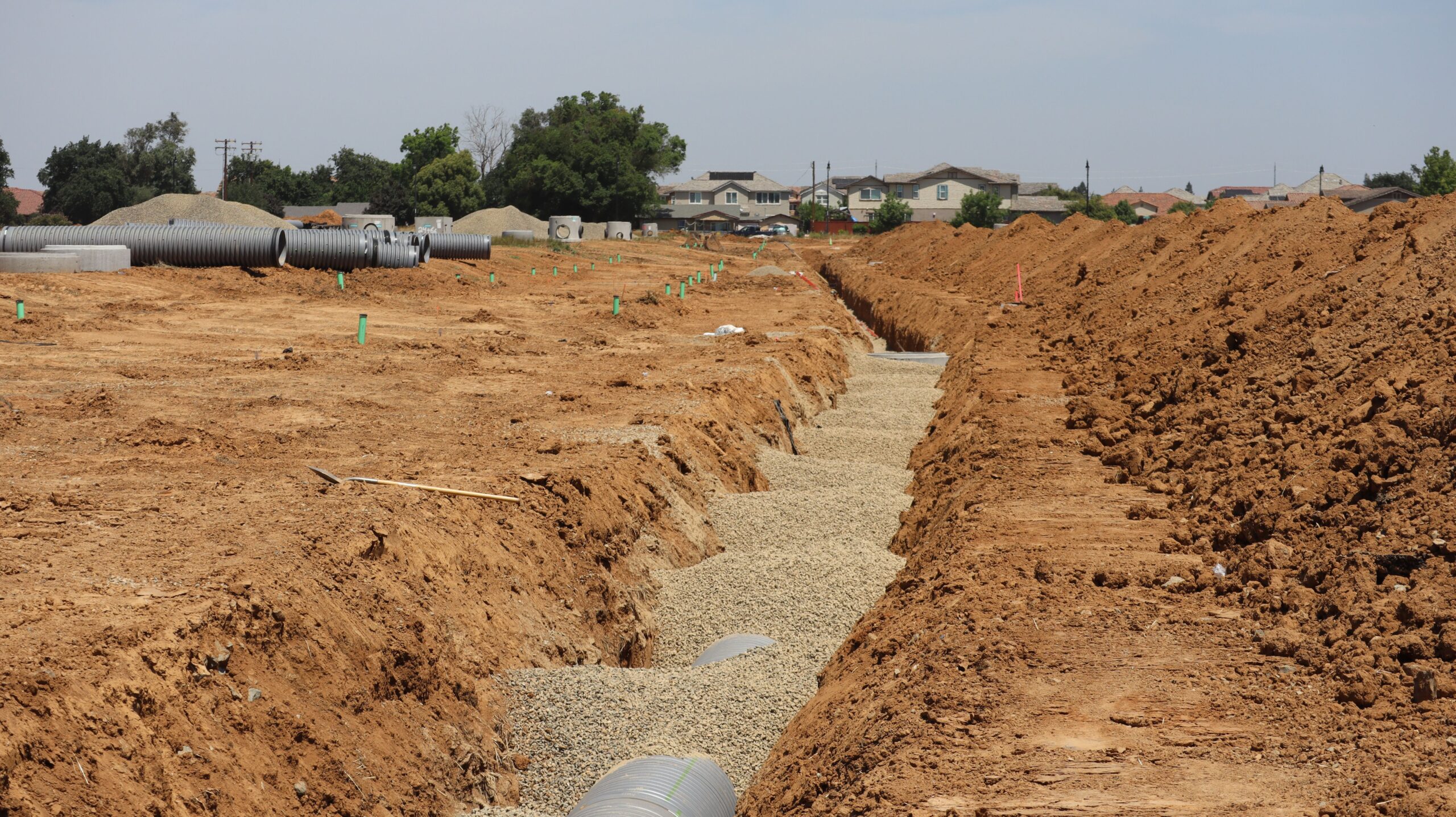
A 12-inch gas main is a major underground service, capable of releasing a substantial volume of gas when damaged. The gas network operator must isolate or otherwise control the escape before repairs can be completed, while emergency responders assess conditions affecting nearby buildings and access routes. The precautionary evacuation reflects the need to manage an uncertain hazard over a wider area; the number evacuated does not establish the volume of gas released or a measured explosion risk at any particular property.
The Health and Safety Executive’s HSG47 guidance describes three linked precautions for work near underground services: planning the work, locating and identifying buried infrastructure, and excavating safely. Utility drawings help indicate where services should run, but recorded routes and depths may be incomplete or inaccurate, and previous work can alter ground conditions. Service-location equipment and appropriate verification should inform how a planned excavation is carried out. The guidance describes the controls expected of contractors generally; it does not establish what happened at Curlew House.
Location equipment and suitable verification methods are therefore used to establish the actual route of services before potentially damaging work proceeds. The exact safe approach depends on the service type, the ground, the equipment and site constraints. Excavation close to a known line may require controlled techniques and limits on mechanical digging. The contractor must also manage communication between supervisors, operators and workers when the working area or sequence changes. These are general requirements of safe planning, not findings about whether the team at Curlew House complied with them.
Occupied regeneration estates have interfaces between demolition or construction work, buried utilities, residents and local services. An interruption to one main can displace households and restrict access even when the immediate damage is confined to a work area. Maintaining service plans, communicating changes between contractors and operators, and reviewing arrangements around occupied buildings are therefore part of managing successive construction phases alongside homes that remain in use.
Emergency services, the gas operator and the council were dealing with the immediate safety, repair and accommodation requirements after the rupture. Determining the strike’s precise cause and whether additional controls are necessary are separate matters for investigation. As of the 17 November reports, restoration and enquiries were continuing, and no official determination of responsibility had been published.