IN Brief:
- Q3 extended the weaker construction conditions already evident during the first half of 2026, while July materials prices remained 5.9% above a year earlier.
- Infrastructure planning changes took effect in July and Gateway 2 performance continued to improve, although regulatory workloads and remediation backlogs remained substantial.
- HS2 renegotiated two major civils contracts and Lower Thames Crossing advanced tunnelling and low-emission plant plans as strategic infrastructure continued to support workload.
Construction entered Q3 with the weaker pipeline conditions of late 2025 and the first half of 2026 still feeding through into starts, procurement, and contractor workloads. Q2 had already brought falling new work, weaker project starts, and renewed pressure from selected materials, while large strategic programmes continued to move independently of the wider building market. That split remained visible through the summer rather than giving way to a distinct new cycle.
Official output data available by 30 September ran only through July, when construction output fell by 0.5% across the preceding three months after four consecutive three-month increases. New work fell by 0.4% and repair and maintenance by 0.7%, while the all-work construction material price index stood 5.9% above July 2025. Brick deliveries were down 22.8% year on year and concrete block deliveries 10.8%, yet fabricated structural steel prices were 20.9% higher, continuing the pressure already visible in Q2 as softer volumes failed to produce broad-based cost relief.
That imbalance was most pronounced in building-led markets, where finance, viability, regulation, and subdued starts continued to constrain activity. The Construction Products Association projected a 3.3% fall in total construction output during 2026 in its summer forecast, including deeper contractions in private housing and housing repair and maintenance, while infrastructure remained one of the few areas expected to expand. The forecast reinforced an uneven workload pattern established before Q3, with strategic public and regulated programmes supporting selected contractors and specialists while commercially sensitive sectors remained weaker.
Alongside those market conditions, infrastructure planning reforms developed through 2025 and the first half of 2026 moved into implementation. Amendments to the Planning Act 2008 took effect on 24 July, removing the statutory requirement for pre-application consultation on Nationally Significant Infrastructure Projects and revising how applications are prepared, accepted, and examined. Although the procedural change can shorten one part of the consenting process, environmental assessment, design maturity, land assembly, and technical engagement remain, while research published during the quarter estimated that planning departments across England and Wales require another 2,660 planners.
Building safety followed a similar pattern of incremental improvement rather than a clean resolution, as the Building Safety Regulator recorded a 92% rolling approval rate for new higher-risk buildings and conversions in the 12 weeks to the end of August. That compared with 89% at Q2-end and 39% a year earlier, while the median approval period remained at 22 weeks. More schemes consequently moved from technical design towards construction, including a £32m Leeds residential development cleared through Gateway 2 in September, but the overall caseload continued to grow.
By late August, 1,654 Gateway 2 applications remained in progress across all categories, partly reflecting a rise in submissions ahead of the Building Safety Levy taking effect on 1 October. Remediation remained a longer-term programme: 54% of the 4,724 monitored buildings of 11 metres and above with unsafe cladding had started or completed works, leaving 46% yet to begin. Alongside continued implementation of the Grenfell Inquiry recommendations, the proposed Single Construction Regulator confirmed in outline during July would build on the existing regime by bringing building, construction-product, and professional oversight into a more integrated structure.
Major civil engineering programmes continued to provide a counterweight to weaker building activity, although their Q3 milestones extended work already under way. HS2 Ltd entered the quarter with the programme reset launched in 2025 and revised cost and schedule ranges published during Q2. On 31 July, it signed renegotiated commercial agreements with EKFB and Align covering more than 100km of Phase One, introducing revised cost and schedule incentives across two major civils packages while further agreements remained under negotiation.
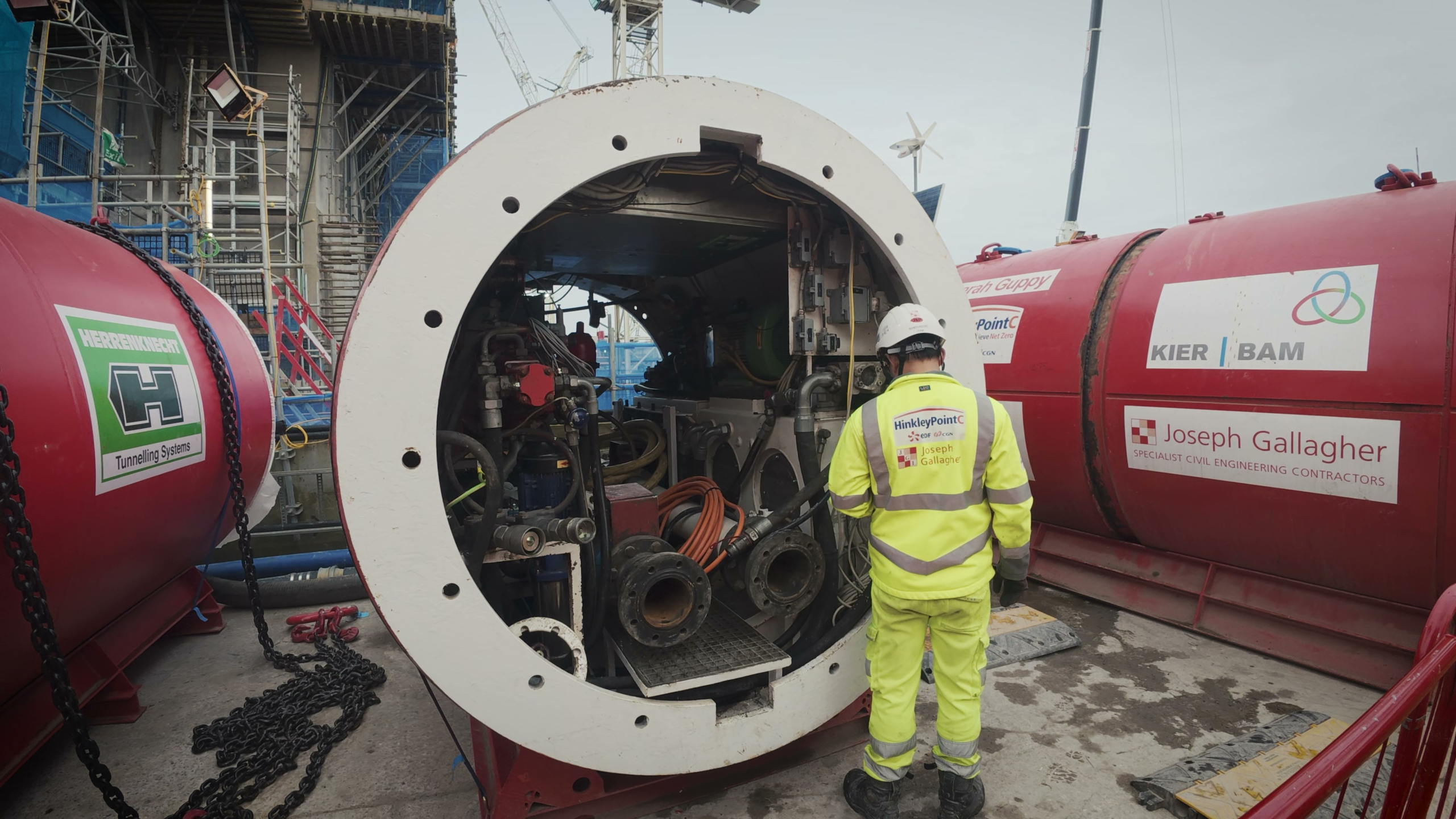
Further south, National Highways pushed Lower Thames Crossing deeper into delivery after development consent in 2025 and early construction activity during 2026. July brought selection of the 16.4m-diameter tunnel boring machine that will drive the twin Thames tunnels from 2028, while more than 30 zero-emission machines were operating across Kent and Essex by the end of September. Around 150 are expected at peak construction, extending earlier hydrogen and low-carbon plant trials into a larger operational fleet.
Across Q3, the industry’s underlying split became more defined without becoming fundamentally new. Weak building volumes, elevated costs, and regulatory lead times remained familiar constraints, while infrastructure reform and major civils programmes supplied a stronger pipeline elsewhere. Faster consenting and better Gateway 2 performance can remove specific delays, but delivery still depends on finance, design maturity, specialist capacity, and commercially workable contracts aligning closely enough for approved projects to become active sites.
What were Q3 2026’s biggest building & construction stories?
Infrastructure planning reforms entered live operation
Infrastructure planning reform reached an operational stage on 24 July when amendments to the Planning Act 2008 took effect. The changes removed the statutory requirement for pre-application consultation on Nationally Significant Infrastructure Projects and revised the framework for application preparation, acceptance, and examination. They followed a broader programme of reform developed through 2025 and the first half of 2026, so Q3 marked implementation rather than the start of a new direction. Government estimates suggest the revised process could remove up to 12 months from pre-application work, although environmental assessment, land, engineering, and stakeholder requirements remain. At the same time, England and Wales continued to face planning-capacity constraints, with research during the quarter estimating a need for another 2,660 planners across local authorities.
Gateway 2 performance continued its gradual improvement
Gateway 2 performance continued to improve from the gains already visible in Q2. New higher-risk buildings and conversions reached a 92% rolling approval rate by the end of August, up from 89% at the end of June and 39% a year earlier, while the median approval period held at 22 weeks. The improvement was increasingly visible in live projects, including a £32m Leeds residential scheme cleared for construction in September. The overall workload nevertheless remained substantial: 1,654 Gateway 2 applications were still in progress across all categories by late August, and external-remediation applications carried a 33-week median. Wider post-Grenfell reform also continued, with 30 of 61 tracked recommendations reported complete by September and further work continuing across regulation, professional competence, products, and remediation.
Weak building volumes remained coupled to higher material costs
Weak building volumes remained coupled to higher input costs through the opening part of Q3. Construction output fell by 0.5% in the three months to July, with new work down 0.4%, while complete official data for August and September were not yet available at quarter-end. July brick deliveries were 22.8% below a year earlier and concrete block deliveries fell 10.8%, pointing to subdued demand in building-led markets. Yet the all-work material price index was 5.9% higher year on year, with fabricated structural steel up 20.9%. The pattern extended conditions already evident in Q2: softer activity was not producing broad-based materials deflation. Infrastructure remained comparatively stronger, leaving workload increasingly uneven between large strategic programmes and private housing, refurbishment, and other commercially sensitive sectors.
HS2 put the first major civils contract resets into effect
HS2’s commercial reset moved further into implementation on 31 July when HS2 Ltd signed revised agreements with EKFB and Align covering more than 100km of Phase One. The programme had already been reset during 2025 and received revised cost and schedule ranges in Q2, so the quarter’s development lay in applying new commercial arrangements to live civils packages. HS2 says the original £15bn allocated to the principal Phase One civils contracts in 2020 had been spent by 2024 while substantial work remained. The renegotiated structures strengthen incentives around cost and schedule performance, while talks continued during September with BBV and SCS over the remaining major packages. Physical construction progressed in parallel, including further viaduct and bridge milestones, with a new programme baseline expected in spring 2027.
Lower Thames Crossing advanced tunnelling and cleaner plant deployment
Lower Thames Crossing advanced further into delivery during Q3, building on development consent secured in 2025 and early construction activity during 2026. In July, National Highways selected Herrenknecht to supply the 16.4m-diameter variable-density tunnel boring machine that will excavate the scheme’s two 2.6-mile Thames tunnels from 2028. By the end of September, more than 30 zero-emission machines were operating across sites in Kent and Essex, with around 150 expected at peak construction in 2028. The deployment extends lower-carbon trials and hydrogen work already associated with the programme rather than introducing decarbonised plant as a wholly new concept. Similar experimentation continued elsewhere, with Britain’s first battery-electric Cat 320 entering service on HS2’s Euston works during September.
IN answer to…
Did UK construction enter a new downturn during Q3 2026?
The available evidence points more strongly to continuation of the weakness already visible in late 2025 and the first half of 2026. Output fell by 0.5% in the three months to July and building-material deliveries remained weak, but complete official output data for August and September were not available at quarter-end. Q3 therefore cannot yet be treated as a statistically complete new downturn.
What changed in infrastructure planning during Q3 2026?
Planning reforms developed through 2025 and early 2026 began operating within the Nationally Significant Infrastructure Project process on 24 July. The statutory requirement for pre-application consultation was removed and revised guidance introduced for preparing, accepting, and examining applications. Consultation and technical engagement can still be required in practice, while environmental assessment, land, design, and consenting evidence remain necessary.
Is the Building Safety Regulator approval backlog improving?
Performance for new higher-risk buildings has improved markedly over the past year. The rolling approval rate reached 92% by the end of August, compared with 39% a year earlier, while median approval time fell from 43 to 22 weeks. However, the overall number of live Gateway 2 applications rose to 1,654, and remediation and internal-work applications continue to carry longer determination periods.
Which major UK civil engineering projects advanced during Q3?
HS2 signed revised commercial agreements for more than 100km of major civil works as its wider programme reset continued, while Lower Thames Crossing selected the tunnelling machine for its twin Thames bores and expanded low-emission construction activity. Both programmes pre-date Q3 by several years; the quarter brought specific delivery and procurement milestones within established projects rather than the creation of new schemes.