IN Brief:
- Network Rail is investing £10.6m in accessibility improvements at Kings Langley station.
- A new footbridge and three lifts will create a step free route between the station entrance and every platform.
- Construction starts in November 2026, with completion scheduled for July 2027.
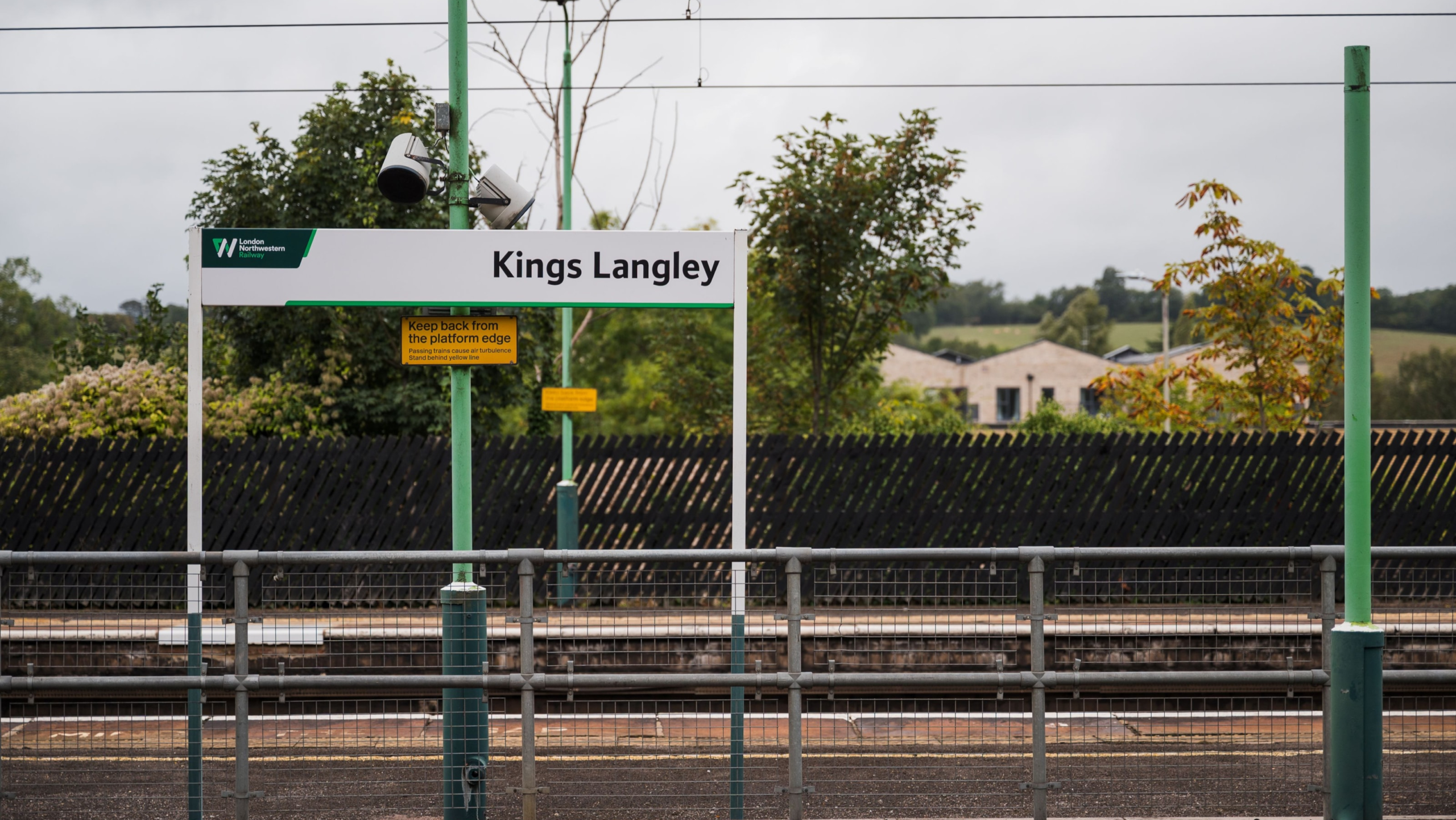
Network Rail will begin a £10.6 million accessibility upgrade at Kings Langley station in November, installing a new footbridge and three lifts to create a continuous step free route between the station entrance and every platform.
The Hertfordshire scheme is funded through the Department for Transport’s Access for All programme and is scheduled for completion by July 2027. Alongside the lifts and bridge, Network Rail will upgrade lighting, add CCTV coverage, improve the passenger announcement system and power supplies, and provide fire refuge areas.
London Northwestern Railway, which manages the station, will work with Network Rail during construction to keep passengers moving while the new infrastructure is installed around an operational railway. Any temporary access changes are due to be communicated before work starts.
The visible elements are straightforward in description but more demanding in delivery. Three lift shafts, bridge supports, landing areas, and a new span across the railway have to be fitted into an existing station while platforms remain in use and trains continue operating on the West Coast Main Line corridor.
Foundations and structural supports must be positioned around buried services, drainage, platform equipment, and railway clearances. The design also has to account for the existing overhead and electrical environment before lifting operations or work close to the tracks can be undertaken safely.
Bridge installation will require especially careful planning because large components cannot simply be lifted across an operational railway during normal traffic. Preparatory works have to be completed before any possession used for structural installation, reducing the amount of unfinished activity carried into restricted engineering windows.
The lifts bring a different set of interfaces. Their shafts, machinery, controls, communications, and electrical supplies have to connect cleanly with the bridge and platforms, while future maintenance access has to be provided without creating new obstructions within passenger areas.
Network Rail is also improving the station’s power supplies as part of the programme. That work is integral to the accessibility package because the completed station will have additional permanent electrical loads from the lifts alongside upgraded lighting, CCTV, passenger information, and communications equipment.
Existing supplies therefore need to be assessed against the final operating condition rather than simply extended wherever spare capacity appears to exist. Distribution, isolation, cable routes, equipment locations, and resilience have to be coordinated with the civil works before finishes are installed.
The inclusion of fire refuge areas reflects the broader safety implications of creating an accessible station. Step free movement during normal operation has to sit within an emergency strategy that accounts for passengers who may not be able to use stairs if lifts are unavailable.
That requirement turns accessibility into a whole-station design issue rather than the addition of three pieces of vertical transport equipment. Lighting, information systems, safe waiting areas, and routes between platforms all have to function together once the new infrastructure opens.
Construction sequencing will remain one of the principal delivery constraints. Passenger routes must stay understandable while hoardings, excavations, temporary barriers, and work compounds alter the station environment, and temporary arrangements cannot introduce new obstacles for people with reduced mobility.
Activities close to tracks may also need to be concentrated into planned possessions. That makes productivity during normal preparatory periods important because foundations, services, and assembly work have to be sufficiently advanced for restricted access periods to be used for the operations that genuinely require them.
Kings Langley is one of a wider group of stations being upgraded through Access for All, which targets locations where historic layouts make independent travel difficult for passengers with reduced mobility, luggage, pushchairs, or other access needs. The completed route will remove the need to rely on stairs when moving between the entrance and platforms.
Network Rail is holding a public information event at the station on 6 October before mobilisation. The project team will use the session to explain the planned work and temporary arrangements ahead of the November construction start.
The programme then has around nine months to move through enabling works, foundations, structural installation, lift fit out, electrical works, passenger systems, and commissioning. Physical completion of the bridge and shafts will not in itself make the route operational.
Lifts, communications, lighting, fire provisions, and electrical systems all have to be tested and accepted before passengers can use the completed route. July 2027 is therefore the point by which a series of civil, structural, mechanical, electrical, and operational packages must converge into one functioning station upgrade.