IN Brief:
- Dandara has secured planning permission for 252 homes at Atlas Place in Fishponds, Bristol.
- The former industrial site will deliver houses and apartments within Bristol City Council’s wider masterplan.
- The scheme includes air source heat pumps, tree planting, cycle links, and reuse or recycling of demolition materials.
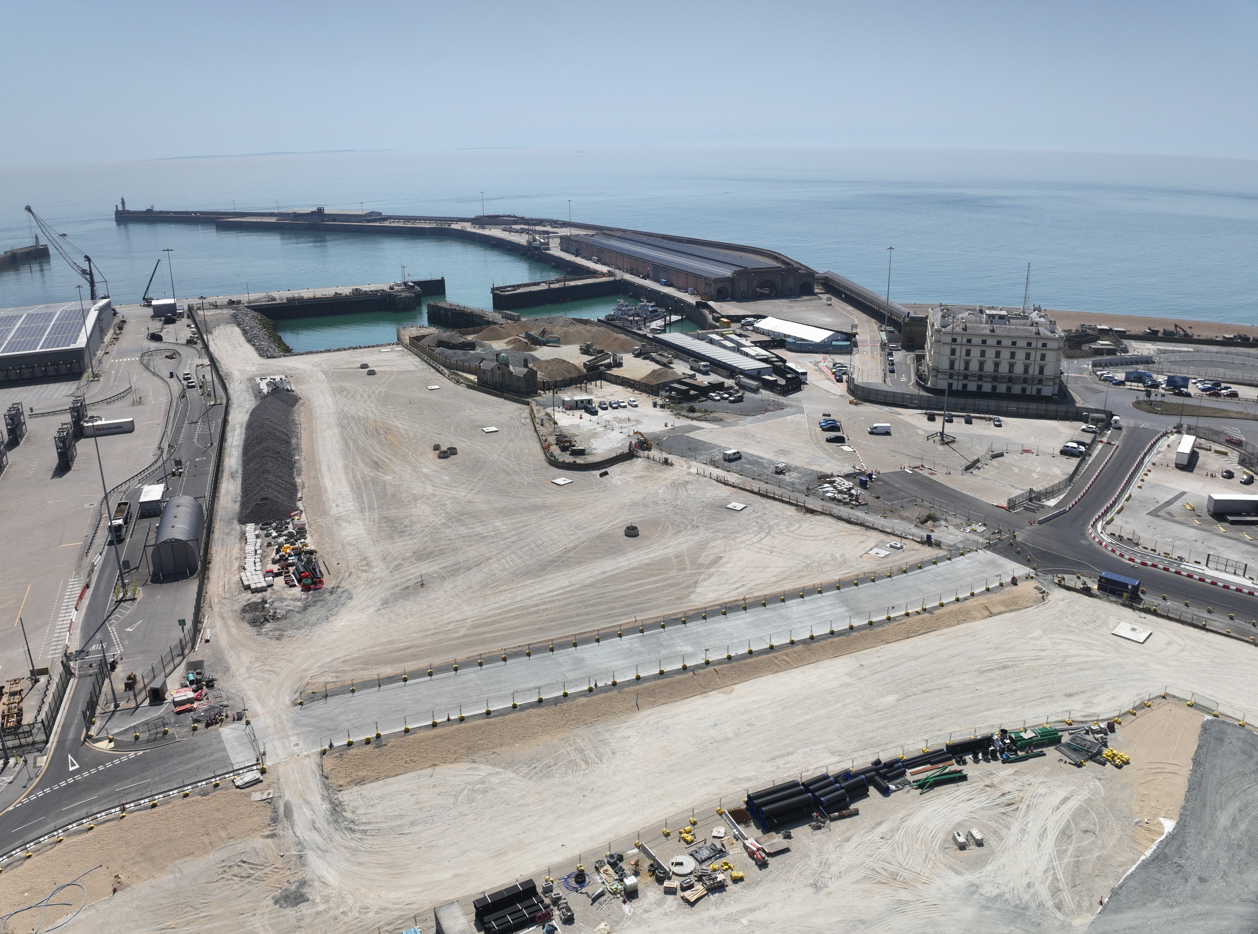
Dandara has secured planning permission for 252 homes at Atlas Place in Fishponds, Bristol, bringing forward a former industrial site within Bristol City Council’s Central Fishponds masterplan area.
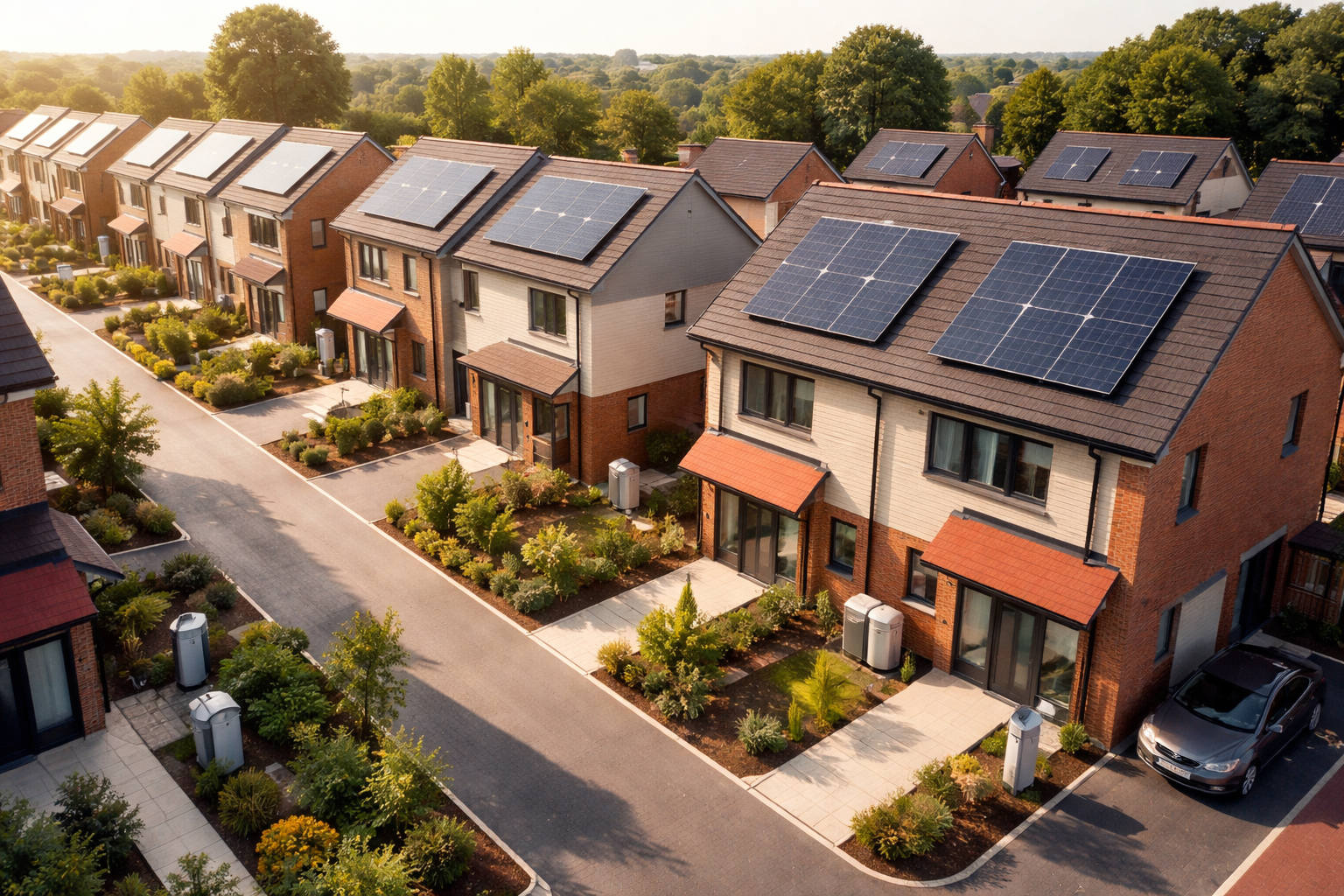
The new neighbourhood will include a mix of one-, two-, three-, and four-bedroom houses and apartments. The proposals include 150 trees, an orbital cycle route, transport contributions, and all-electric heating through air source heat pumps. Demolition materials from the existing industrial site are expected to be reused or recycled where possible.
Construction is planned to start later this summer, giving the scheme a relatively near-term route from consent into delivery. For Bristol, the project adds another brownfield housing scheme to a market where development is shaped by constrained land supply, affordability pressure, planning complexity, and strong demand for well-connected urban sites.
The use of former industrial land is central to the project’s wider relevance. Brownfield housing has clear political and planning appeal because it can reduce pressure on greenfield release while renewing underused land within existing urban areas. In practice, brownfield delivery is rarely simple. Sites often require demolition, remediation, drainage upgrades, utilities coordination, access improvements, noise assessment, and careful integration with neighbouring uses.
Fishponds has the advantage of being an established Bristol suburb with existing services and transport connections, but that also means new development has to fit within a live urban environment. Construction logistics, local road capacity, cycle and pedestrian connections, school places, drainage, and community infrastructure will all influence how the scheme is received during delivery and occupation.
The inclusion of air source heat pumps reflects the accelerating shift away from gas-led housing design. All-electric residential schemes are becoming more common as developers respond to future standards, local planning policy, and the decarbonisation of heat. That shift changes the construction package. Developers and contractors need to coordinate fabric performance, plant location, acoustic design, electrical capacity, commissioning, resident handover, and long-term maintenance from an earlier stage.
Tree planting and cycle infrastructure also show how residential schemes are now expected to do more than provide units. Planning committees increasingly look for active-travel links, biodiversity gain, sustainable drainage, usable open space, and evidence that new homes can be integrated into existing neighbourhoods. Those requirements can add cost and complexity, but they are increasingly part of the basic viability equation rather than optional enhancements.
The project sits against a difficult housing delivery backdrop. Recent data showing weaker SME housebuilder confidence has underlined how planning delays, finance costs, and viability concerns continue to constrain output across the sector. Larger developers may have more capacity to absorb planning and infrastructure burdens, but they face the same market pressures around build cost, sales rates, mortgage affordability, and labour availability.
Infrastructure delivery also remains a persistent issue. The National Federation of Builders has questioned a £9bn developer contributions backlog, warning that undelivered local infrastructure can weaken confidence in the planning system. For schemes such as Atlas Place, transport contributions, cycle routes, public realm, drainage, and local services are not peripheral. They are part of the development’s acceptance and long-term functionality.
Reuse and recycling of demolition materials could help reduce waste and lower the scheme’s material impact, although the scale of benefit will depend on how much can be retained, processed, and redeployed. Brownfield projects often generate large quantities of hardstanding, masonry, steel, and other materials. Keeping more of that material in the project or local supply chain can reduce disposal, transport, and virgin material requirements.
Dandara’s approval is a useful marker for Bristol housing delivery. It combines a former industrial site, mixed housing, all-electric design, sustainable transport, and material reuse within an urban masterplan area. The next stage will test how quickly consent can translate into construction and whether the delivery model can maintain viability while meeting the environmental and infrastructure expectations attached to modern residential planning.