IN Brief:
- The drone operation supported a 2.8MW photovoltaic installation spanning four roofs at Bentley's paint shop facility.
- XAG P150 Max cargo drones delivered 2,030 photovoltaic modules weighing approximately 30kg each.
- The project team reports that the technique halved installation time while reducing intermediate material handling.
Bentley Motors has used heavy-lift cargo drones to support construction of a rooftop photovoltaic installation at its manufacturing facility in Crewe, Cheshire, addressing structural loading restrictions that complicated the use of conventional material handling equipment.
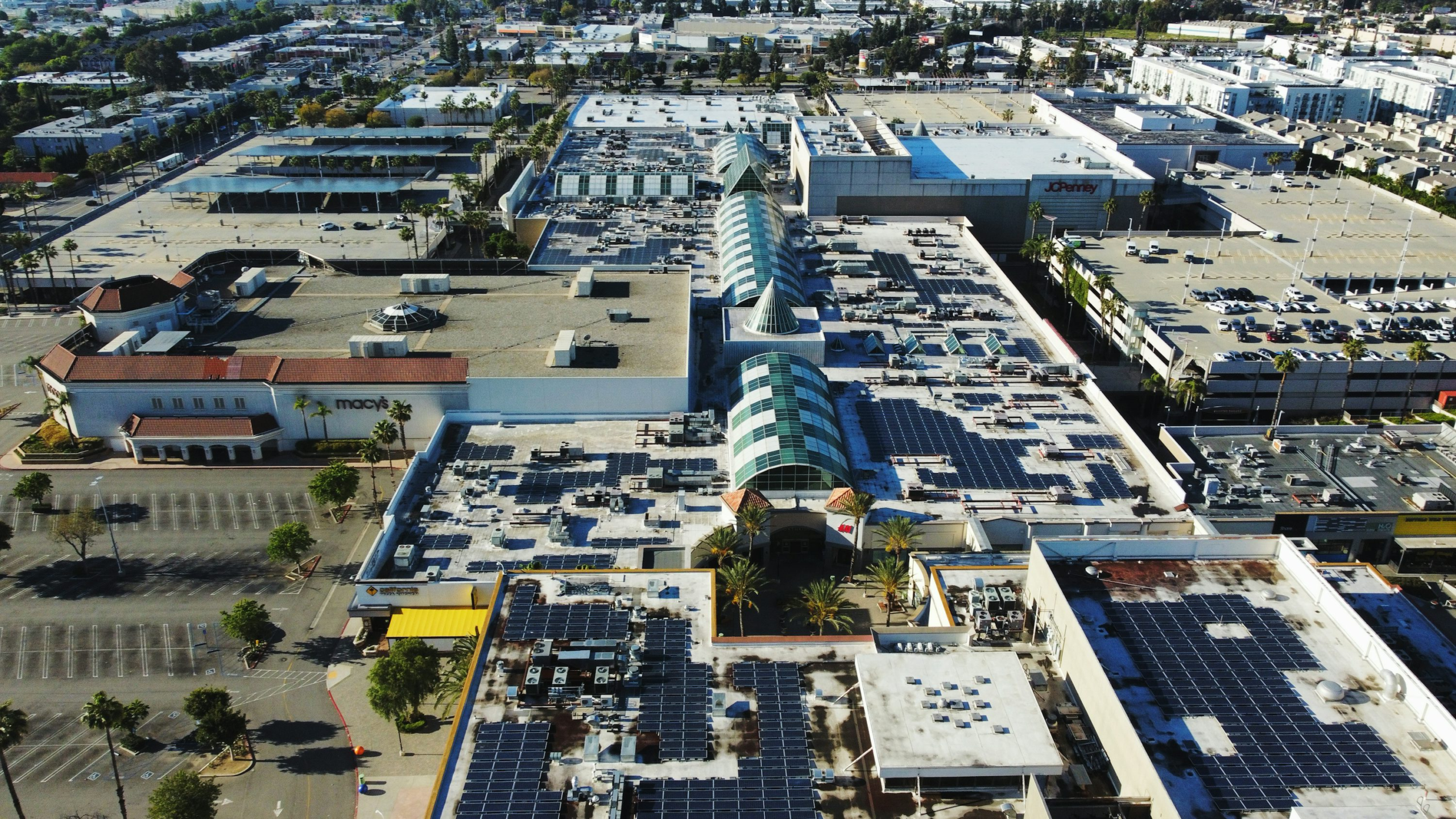
Commercial solar contractor Push Power delivered the 2.8MW installation in partnership with Finlight, with specialist operator AutoSpray Systems undertaking the aerial lifting activities. The project covers four roofs at Bentley’s paint shop facility and incorporates 515W photovoltaic modules manufactured by JA Solar.
The drone operation transported 2,030 panels using XAG P150 Max cargo aircraft. Individual modules weighed approximately 30kg, presenting a handling requirement that combined substantial weight with the relatively large surface area and limited thickness characteristic of photovoltaic panels.
Push Power reports that the approach halved installation time while reducing the amount of manual handling undertaken by construction workers. Using the aircraft also reduced reliance on diesel-powered telehandlers for transferring modules to roof level.
Conventional rooftop solar construction frequently involves using cranes or telehandlers to deliver palletised modules to designated positions on a building. Installation teams subsequently remove individual panels from those pallets and distribute them across the roof.
Although delivering materials in bulk can reduce the number of individual lifting operations, it requires suitable areas for temporarily storing the loads. On existing industrial buildings, the availability of those areas depends on the roof’s structural capacity and the distribution of supporting members beneath it.
A pallet containing several dozen photovoltaic modules concentrates considerable weight within a comparatively small footprint. Depending on its position relative to structural supports, that temporary load can exceed the capacity available for construction material storage even where the roof is suitable for the distributed loading of the completed photovoltaic installation.
At Crewe, smaller aerial deliveries allowed the project team to reduce the accumulation of materials at intermediate storage locations. A dedicated carrying arrangement supported the transfer of modules between a ground loading area and receiving positions on the roofs, allowing installation teams to obtain materials closer to their eventual positions.
That distribution method also reduced the requirement to carry individual modules across the building. Manual transportation can be particularly demanding on roofs where access routes are constrained by existing plant, rooflights, drainage infrastructure, or previously installed photovoltaic equipment.
Reducing the number and distance of manual carrying operations can limit workforce exposure to repetitive handling activities. However, the transfer of those activities to an aerial delivery system introduces different responsibilities for securing materials, coordinating aircraft movements, and managing the separation between flight operations and construction personnel.
The aerodynamic characteristics of photovoltaic modules are an important consideration in cargo handling. Their relatively large surface area allows wind to exert substantial forces on suspended loads, affecting stability independently of the weight being transported.
Selecting an aircraft with sufficient lifting capacity is consequently only one element of determining whether the proposed delivery operation is suitable. Weather conditions, payload configuration, flight paths, and the arrangements for transferring modules at roof level must also be addressed through the operating procedures.
Construction productivity depends on coordination between the loading, delivery, and installation activities. Repeated smaller deliveries can reduce the time spent moving materials across a site, but their effectiveness depends on the aircraft’s turnaround rate and the ability of receiving teams to manage incoming modules without interrupting installation.
The four-roof configuration at Bentley introduces an additional opportunity to distribute materials across separate working areas without first accumulating them at a central rooftop loading point. The project team could consequently organise deliveries around the progression of installation rather than relying exclusively on bulk deliveries to fixed locations.
Aerial lifting operations also fall within the UK’s aviation regulatory framework. Depending on the aircraft, payload, operating environment, and proposed activities, commercial operators may require specific authorisations from the Civil Aviation Authority. Those obligations sit alongside the health and safety responsibilities associated with construction work and the handling of loads.
The importance of integrating drone operations into existing construction safety procedures was highlighted earlier this month by a collision involving an aircraft during surveying work in Manchester. Cargo operations introduce the additional requirement to secure and safely receive construction materials.
Finlight says the latest project increases its installed solar capacity at Bentley’s Crewe site to 6.4MW. The manufacturer’s wider renewable electricity infrastructure also includes photovoltaic systems installed above employee parking areas.
The drone-delivered modules represent part of the latest 2.8MW installation rather than its entire photovoltaic capacity. Their deployment extends the use of unmanned aircraft in construction beyond established surveying and inspection applications into the movement of physical materials.
Future applications will depend on whether the structural, logistical, and operational characteristics of individual buildings favour repeated aerial deliveries over conventional lifting. At Crewe, the ability to distribute relatively small quantities of material directly to rooftop installation areas provided a solution to restrictions on concentrated construction loads.