IN Brief:
- Three contracts cover A2 sections B, C and D, totalling approximately 65km between Warsaw and Łódź.
- STRABAG has upgraded three mixing plants to handle reclaimed asphalt for specified new road layers.
- Sections B and D are scheduled for completion by end-2027, with section C following in early 2028.
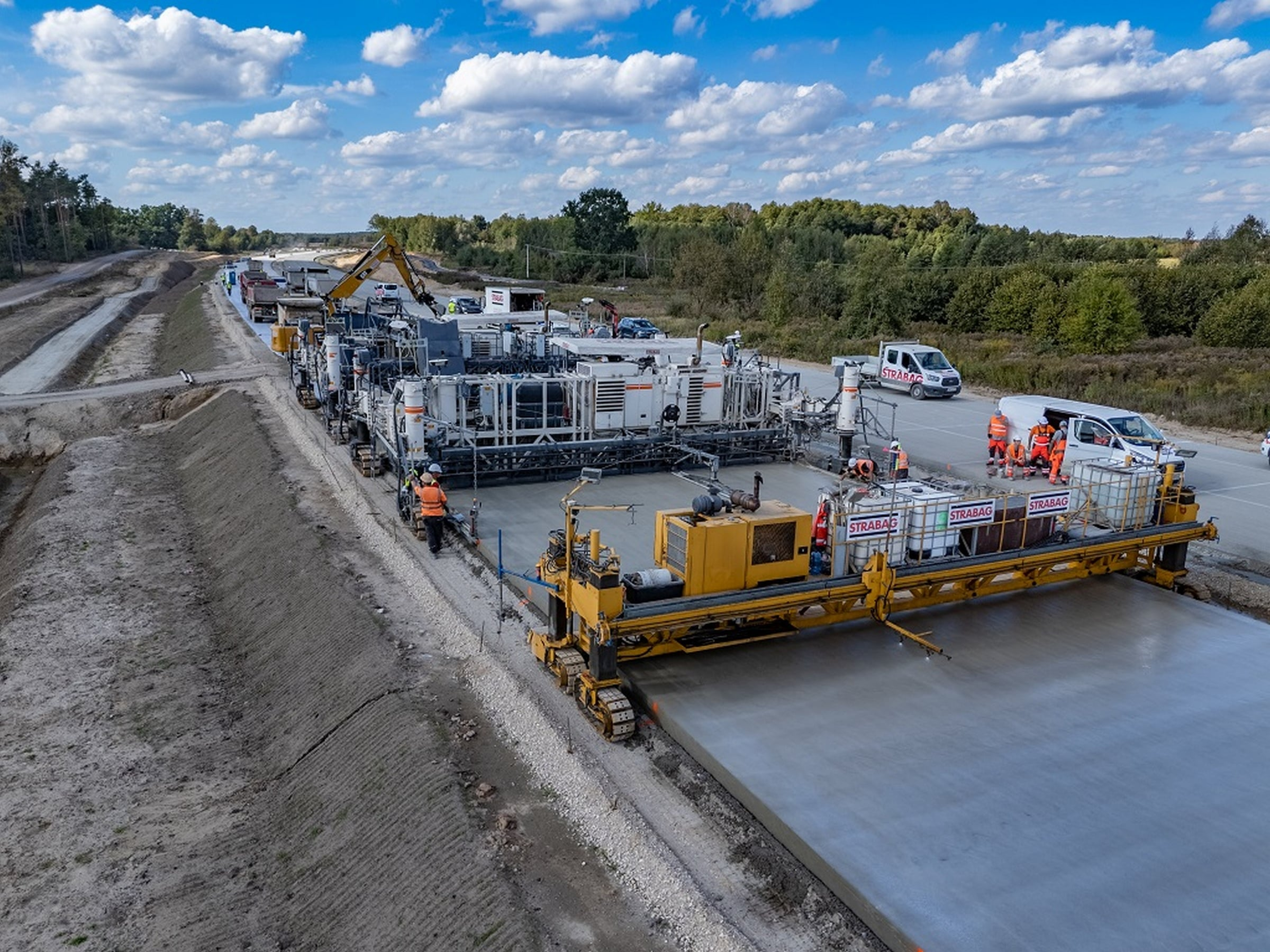
STRABAG has begun construction across three sections of Poland’s A2 motorway between Warsaw and Łódź, under contracts valued at approximately €158m. The works cover about 65 kilometres of existing motorway and will expand the number of lanes while renewing parts of the road and its supporting infrastructure. Poland’s General Directorate for National Roads and Motorways, GDDKiA, is the client, and the contractor is required to maintain traffic on the route during construction.
The works are divided into lots B, C and D. Section B covers 21.8 kilometres between Łyszkowice and the Łódź–Masovia regional boundary; section C extends 25.5 kilometres towards the Grodzisk Mazowiecki interchange; and section D runs for 17.2 kilometres between Konotopa and Grodzisk Mazowiecki. Together, the three sections account for 64.5 kilometres, rounded by STRABAG to 65 kilometres. The project forms part of a larger A2 programme, not a contract for the entire Warsaw–Łódź corridor.
The present carriageway generally carries two lanes in each direction. STRABAG is to widen it to three lanes each way, with four lanes planned closer to Warsaw. The work also includes pavement renewal, repairs to engineering structures, new safety and noise barriers, and upgrades to motorway lighting and traffic management. These activities have to be programmed alongside construction of the additional lanes rather than treated as separate projects on a closed road.
At least two traffic lanes in each direction are intended to remain operational throughout the works. That obligation constrains the area available for construction plant, asphalt paving and barrier installation and requires temporary arrangements before crews can occupy parts of the existing carriageway. Motorists will continue using a live motorway while earthworks, pavement removal and resurfacing take place nearby. STRABAG has not issued a detailed traffic-switching timetable for each of the three lots.
Pavement renewal will generate material that the contractor intends to reuse in the new asphalt. STRABAG has specified reclaimed asphalt pavement content of 35% in the binder and base courses and 20% in the surface course. These are percentages of reclaimed material in particular asphalt layers; they are not figures for the proportion of the whole road being recycled, and they do not represent measured reductions in the programme’s greenhouse gas emissions.
To meet the planned recycled content, STRABAG has upgraded three asphalt mixing plants for hot recycling of reclaimed pavement material. Recovered asphalt contains both aggregate and aged bituminous binder, so production requires control of grading, binder properties and the mixing conditions. The company also plans to use foamed bitumen technology as part of its approach. Its announcement does not supply final mix test results or a full project carbon assessment, and the effects of the combination cannot yet be quantified for the completed motorway.
Incorporating recovered asphalt into new layers depends on a reliable material stream from the sections being reconstructed. Removed pavement must be assessed and segregated so its properties are sufficiently consistent for reuse. Plant modifications can increase the proportion of material processed, but specification compliance still depends on the mix produced and its compaction and performance after placement. The announced 35% and 20% figures are therefore design and production requirements until actual laying records are available.
Existing structures and roadside systems also require attention. STRABAG is to refurbish engineering structures and renew sections of safety and acoustic protection, while upgrades to lighting and traffic systems form part of the wider package. These installations occupy space at the edge of the carriageway and around structures, so their removal and reinstatement have to follow the changing traffic arrangement. The contractor has not publicly detailed which individual bridges or barriers will be completed first.
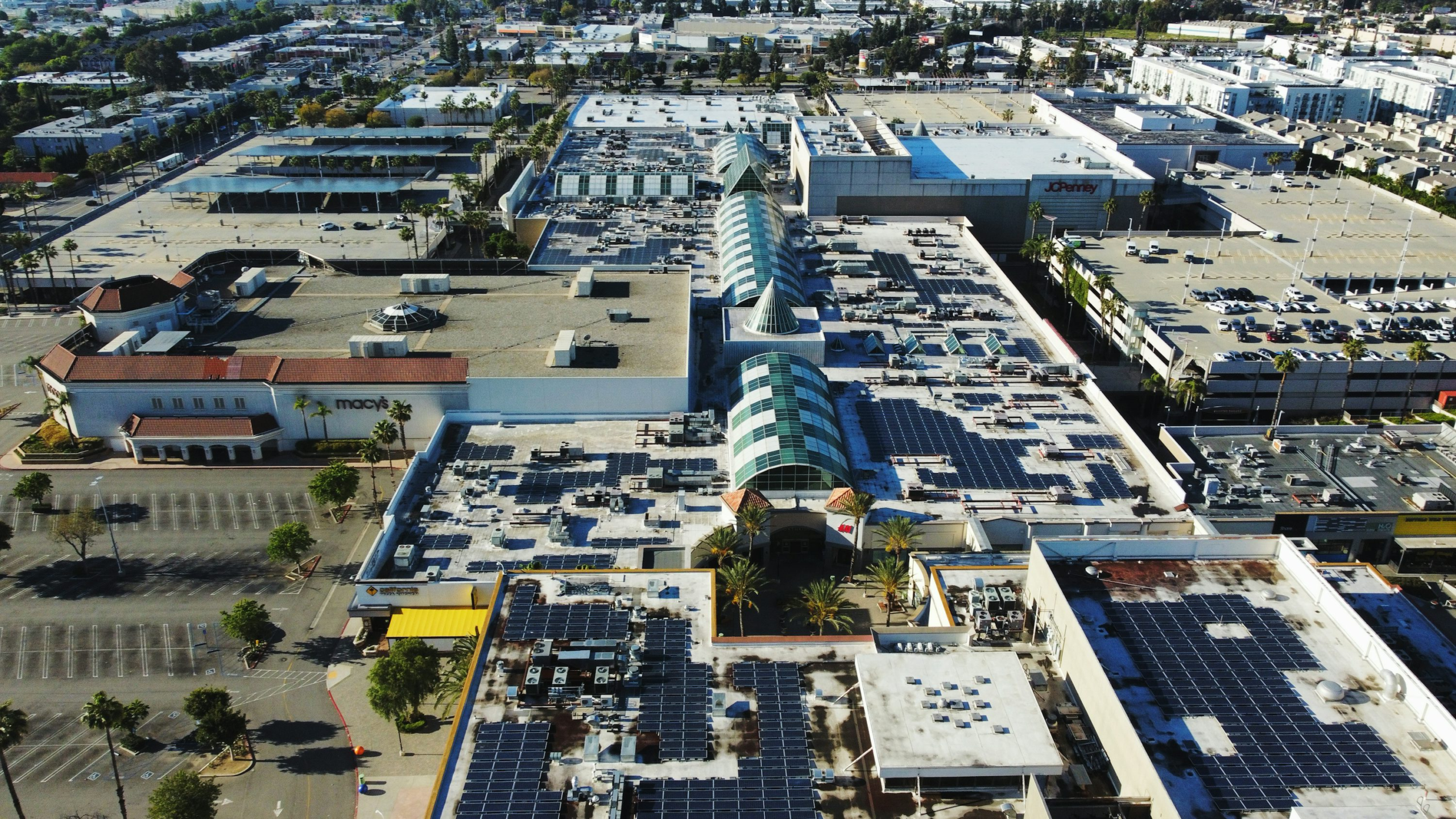
The operator’s future energy provisions include planned photovoltaic systems, storage units, a wind turbine and more efficient LED lighting. Such equipment is intended to support lighting, weather monitoring and other motorway systems after the upgrade. The specification remains a proposal for the finished asset: the renewable installations have not been reported as commissioned, and no verified self-sufficiency or operational energy saving has been published for these sections.
STRABAG expects sections B and D to be finished by the end of 2027, with section C following in early 2028. The phased programme allows different work fronts to progress under separate construction arrangements, although individual openings and lane changes have not been confirmed. The next delivery tests will be keeping the promised traffic capacity available, achieving the specified asphalt composition and completing the structures and operational equipment within those dates.