IN Brief:
- The station incorporates two 126-metre platforms, an accessible footbridge, lifts, and passenger information facilities.
- Network Rail completed the initial physical construction programme within 16 months of commencing groundworks in July 2025.
- A second construction phase will provide additional pedestrian infrastructure and staffed station facilities ahead of the planned Aviva Arena opening in 2028.
BAM has completed the first phase of construction at Bristol Brabazon railway station, restoring passenger services to the Henbury Line after more than six decades and establishing rail infrastructure to support the redevelopment of the former Filton Airfield.
The station opened to passengers on 23 November, with Great Western Railway operating hourly services between Bristol Brabazon and Bristol Temple Meads. Construction will continue through a second phase intended to accommodate increasing passenger demand as the surrounding neighbourhood develops.
BAM delivered the initial construction programme on behalf of Network Rail, with funding primarily provided by the West of England Mayoral Combined Authority alongside contributions from local authorities and Great Western Railway.
The completed infrastructure includes two 126-metre platforms, a footbridge incorporating lifts, covered waiting areas, passenger information equipment, cycle storage, and accessible parking.
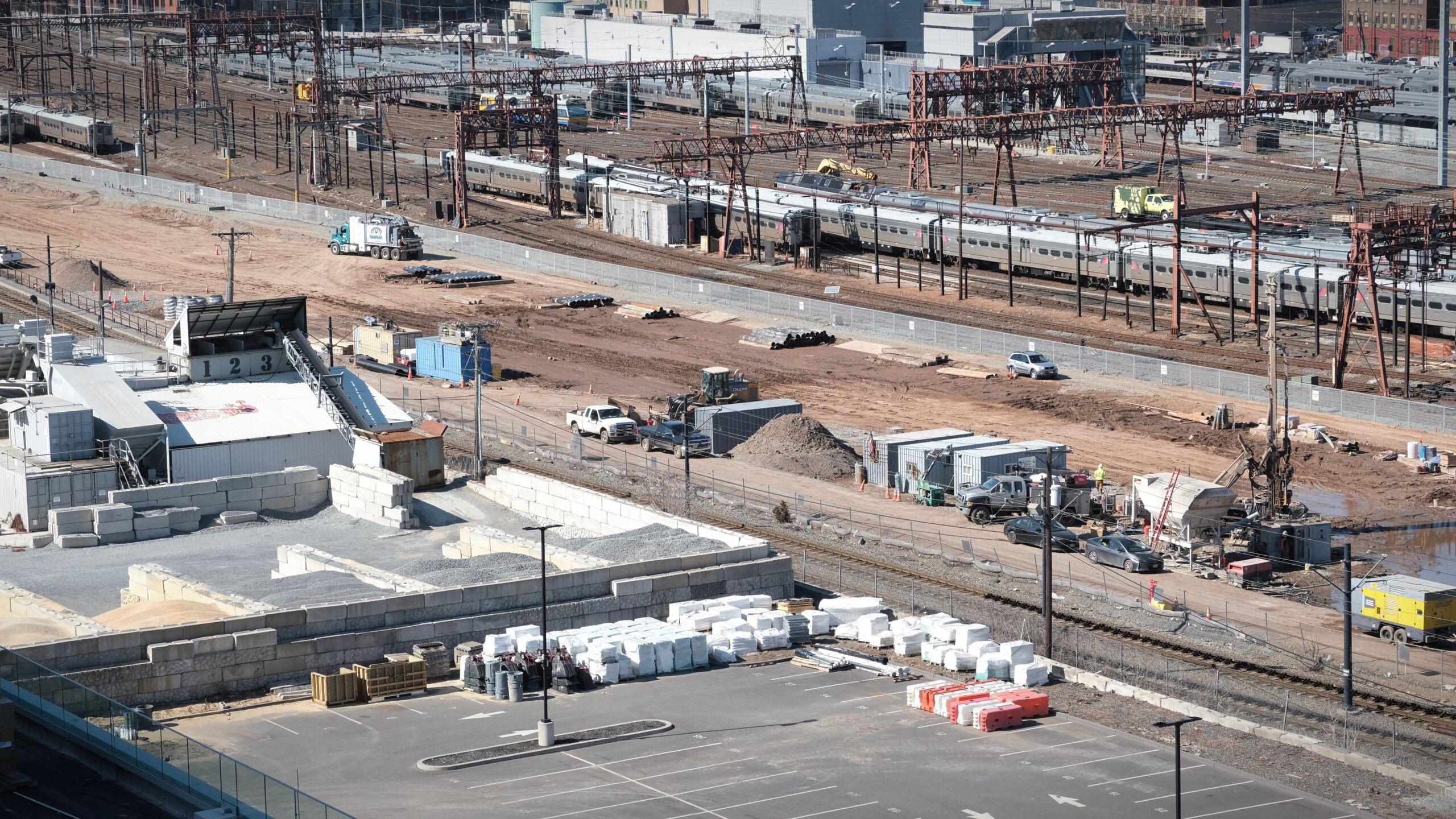
Network Rail began groundworks and drainage construction in July 2025, completing the physical construction programme within 16 months. BAM separately identifies a wider engineering and construction period of less than 20 months, representing a reduction of 16 months against its original programme.
The distinction reflects the engineering and preparatory activities undertaken before physical construction begins, including design development, technical coordination, procurement, and planning the construction sequence around railway infrastructure.
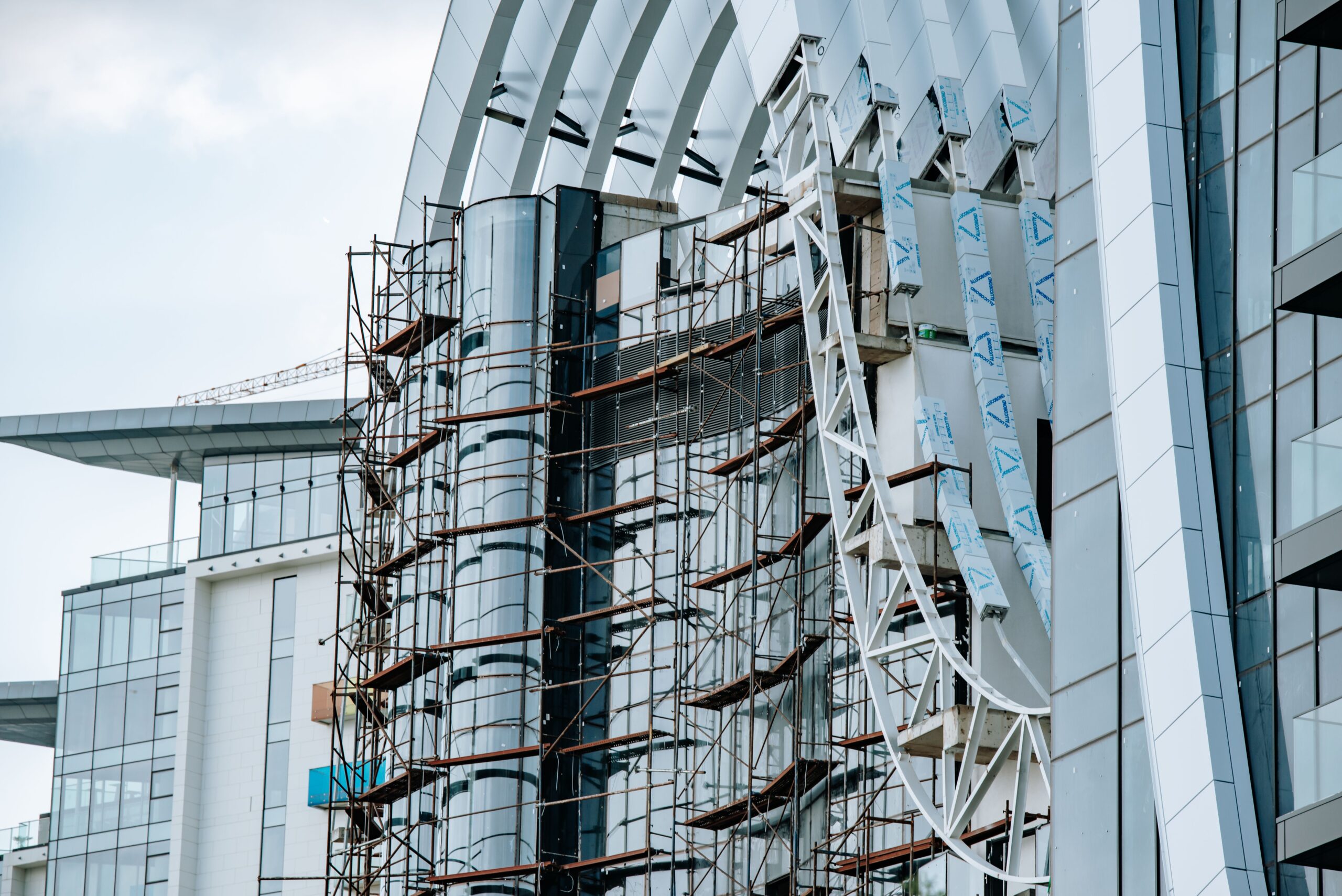
Installation of the station footbridge took place at the beginning of summer 2026, establishing the principal connection between its two platforms. Subsequent construction included cladding the lift shafts, installing platform coping stones, and completing the initial layers of platform surfacing.
Constructing platforms alongside existing railway infrastructure requires accurate coordination between the position of the track and the finished platform geometry. Platform edges must provide appropriate clearances for rail vehicles while limiting the horizontal and vertical differences between the platform and train entrances.
Coping stones establish the finished platform edge, with their position dependent on the underlying structural arrangement and the alignment of the railway. Maintaining the required geometry throughout construction reduces the likelihood that completed platform elements will require adjustment before passenger operations can begin.
Drainage and service installations also influence the platform construction sequence. Equipment supplying passenger information displays, lighting, and other station systems requires electrical and communications routes that must be accommodated within the supporting infrastructure.
Completing those installations before final surfacing allows construction teams to reduce subsequent disturbance of the platform structure. Testing must then establish that the equipment operates correctly within the station’s wider electrical and communications arrangements.
The Office of Rail and Road authorised Bristol Brabazon for passenger use on 18 November, ahead of its ceremonial opening the following day. The first scheduled passenger services commenced on 23 November, marking the transition from construction to operational railway infrastructure.
Additional construction will begin almost immediately, with plans for a second footbridge incorporating ramped access and a staffed station facility providing ticket gates, toilets, ticket sales, and accommodation for railway personnel.
The next phase is being coordinated with YTL UK’s development activities at Brabazon. The wider regeneration programme incorporates residential and commercial construction alongside the proposed 20,000-capacity Aviva Arena, which is expected to open in 2028.
A new public square will provide additional space for passengers travelling between the station, arena, and surrounding development.
The pedestrian demand associated with a major entertainment venue differs from the more distributed pattern of journeys generated by residential and commercial development. Events can produce concentrated passenger arrivals and departures, placing substantial short-term demands on circulation routes, platform access, and connections between the railway and surrounding streets.
Additional footbridge capacity and ramped access will provide alternative movement routes through the station as passenger demand grows. The second construction phase must integrate those facilities with the existing platforms and passenger infrastructure without undermining their continued operation.
Construction around an operational station will also require changes to the site’s access arrangements. Temporary working areas, material deliveries, lifting operations, and construction personnel must be separated from passenger routes, while activities affecting operational railway infrastructure remain subject to appropriate possession and safety arrangements.
Brabazon follows BAM’s involvement in the construction of Ashley Down station, which opened in 2024, and the £23m eastern entrance at Bristol Temple Meads, completed earlier this year. Each project addresses different infrastructure requirements within Bristol’s developing regional rail network.
Opening Bristol Brabazon ahead of the second construction phase allows the railway to begin serving the surrounding neighbourhood before the arena and associated commercial developments are completed.
Network Rail expects the remaining station construction to conclude in 2028, aligning additional passenger infrastructure with the planned arena opening. The next phase will therefore involve delivering new station capacity alongside an established passenger service rather than within an entirely closed construction site.