IN Brief:
- The Mayor of London has approved the redevelopment of Great North Leisure Park in Finchley.
- The scheme includes 1,485 homes, a new leisure centre, a sports pavilion, public realm, and ecological improvements.
- The decision moves a major brownfield residential-led project towards delivery after earlier local refusal.
Arada London has secured approval from the Mayor of London for the redevelopment of Great North Leisure Park in Finchley, clearing a major planning hurdle for one of Barnet’s largest residential-led brownfield schemes.
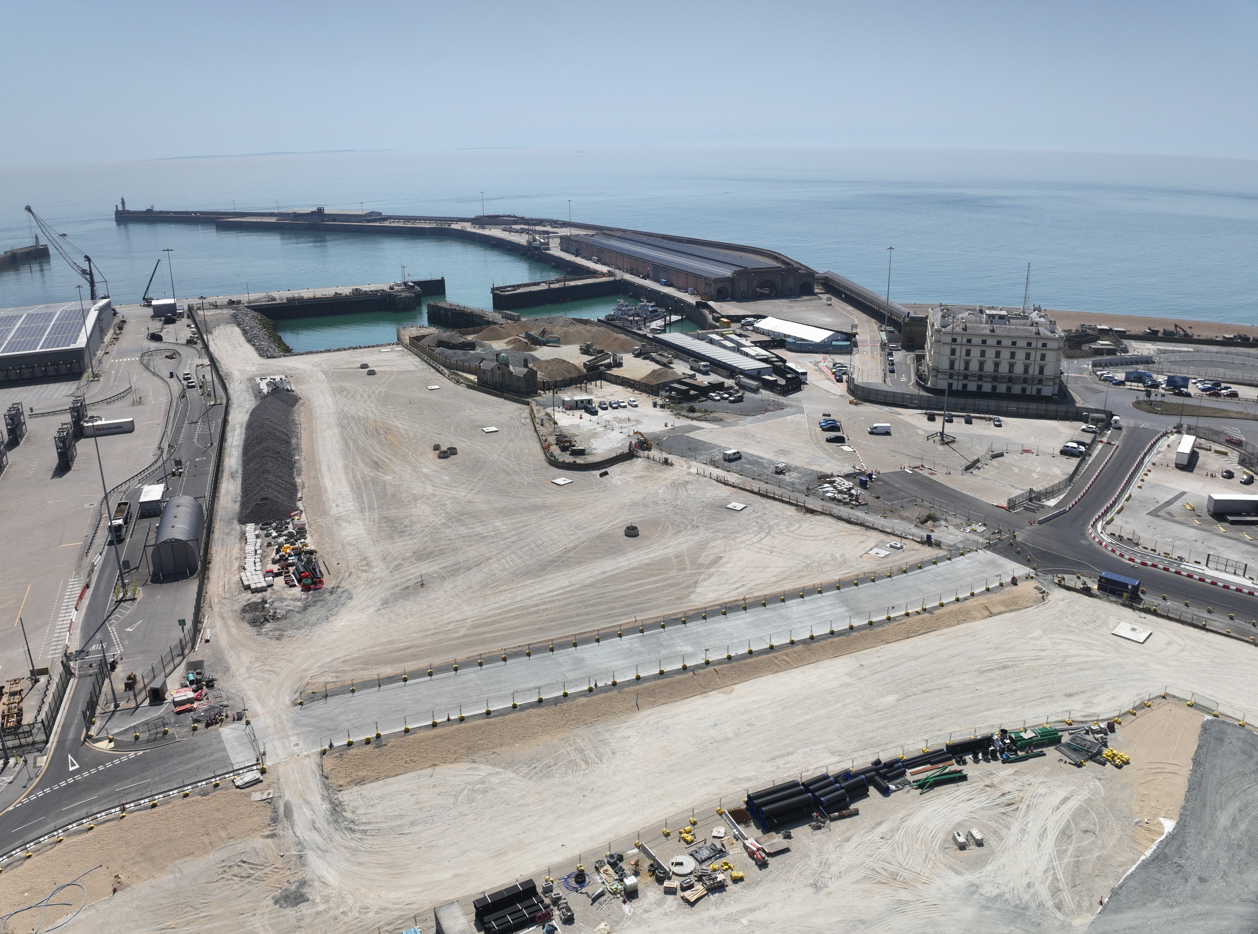
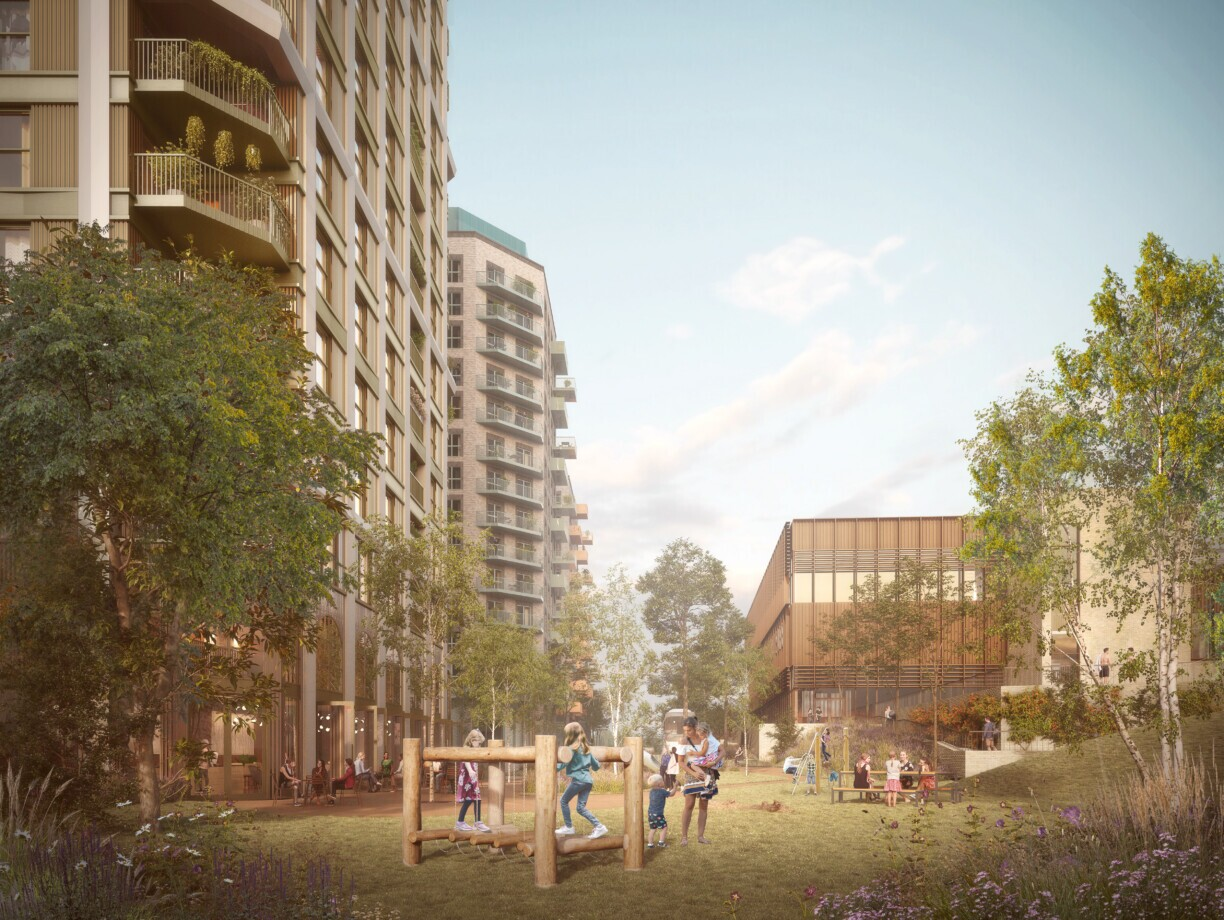
The consented plans cover an 11-acre site currently occupied by a car-led leisure park and surface parking. In its place, the developer intends to deliver 1,485 homes across 20 buildings, alongside a new two-storey leisure centre, sports pavilion, public realm, landscaped courtyards, play areas, ecological corridors, and green roofs.
Mayoral approval followed a call-in after Barnet Council resolved to refuse the application in December 2025. Following a representation hearing at City Hall, the Deputy Mayor for Planning, Regeneration and Skills resolved to grant permission, subject to completion of a Section 106 legal agreement.
The residential element will include 25% affordable housing, with the wider masterplan designed to replace a low-density leisure site with a more connected urban neighbourhood. New routes through the development, active frontages, and landscaped spaces are intended to improve links between the site, surrounding streets, and Glebelands Nature Reserve.
Leisure provision remains central to the project. The new council-owned leisure centre is planned to include swimming, fitness, rehabilitation, and family-focused facilities, while the existing centre is expected to remain open until the replacement has been completed. A new sports pavilion beside Glebelands playing fields will provide updated changing facilities for youth teams and local clubs.
The scheme also includes more than 2.5 acres of new landscaping and a targeted biodiversity net gain of more than 150%. For a site dominated by hardstanding, the shift towards green roofs, ecological corridors, and new public space forms a key part of the planning case.
During construction, the site is expected to host the Arada Academy, an on-site skills and employability centre delivered with Building Heroes. The academy is intended to train more than 80 learners a year, including military veterans, service leavers, reservists, military families, and local residents facing barriers to employment.
Suburban leisure parks are becoming a sharper planning battleground as London searches for deliverable housing sites beyond the central boroughs. Large car parks and low-rise commercial units offer obvious capacity, but redevelopment often brings disputes around building height, transport, affordable housing, leisure continuity, and the pressure placed on local services.
The Finchley approval sits within a wider tightening of technical expectations for residential delivery. Fire safety coordination, evacuation strategy, access planning, and building control gateways are moving earlier into the design process, as shown by the government’s consultation on evacuation lift rules for higher-risk buildings. Large residential schemes can no longer treat those questions as late-stage compliance items.
Delivery will be shaped by the need to keep leisure provision operating while replacement facilities are built. The programme will also need to manage demolition, logistics, neighbourhood access, public realm works, utilities, and phased residential construction on a site bordered by established communities.
Completion of the Section 106 agreement will be the next formal step before permission is issued. Once that is in place, Great North Leisure Park will move from a contested planning case into a test of whether London’s underused suburban sites can be turned into denser mixed-use neighbourhoods without stripping out the civic functions that made them locally important.