IN Brief:
- Hartlepool Borough Council has approved the £25m Greatham North East Flood Alleviation Scheme.
- Works include a new 1.5km embankment, repairs to existing defences, managed realignment and new intertidal habitat.
- Construction is scheduled to begin in early 2027 and continue for approximately two years.
Environment Agency has secured planning approval for the £25 million Greatham North East Flood Alleviation Scheme, clearing a major consent milestone ahead of construction scheduled to begin in early 2027.
Hartlepool Borough Council has approved the project, which will strengthen flood protection around Greatham Creek and Greenabella Marsh while restoring areas of intertidal habitat on the Tees Estuary. Construction is expected to continue for approximately two years.
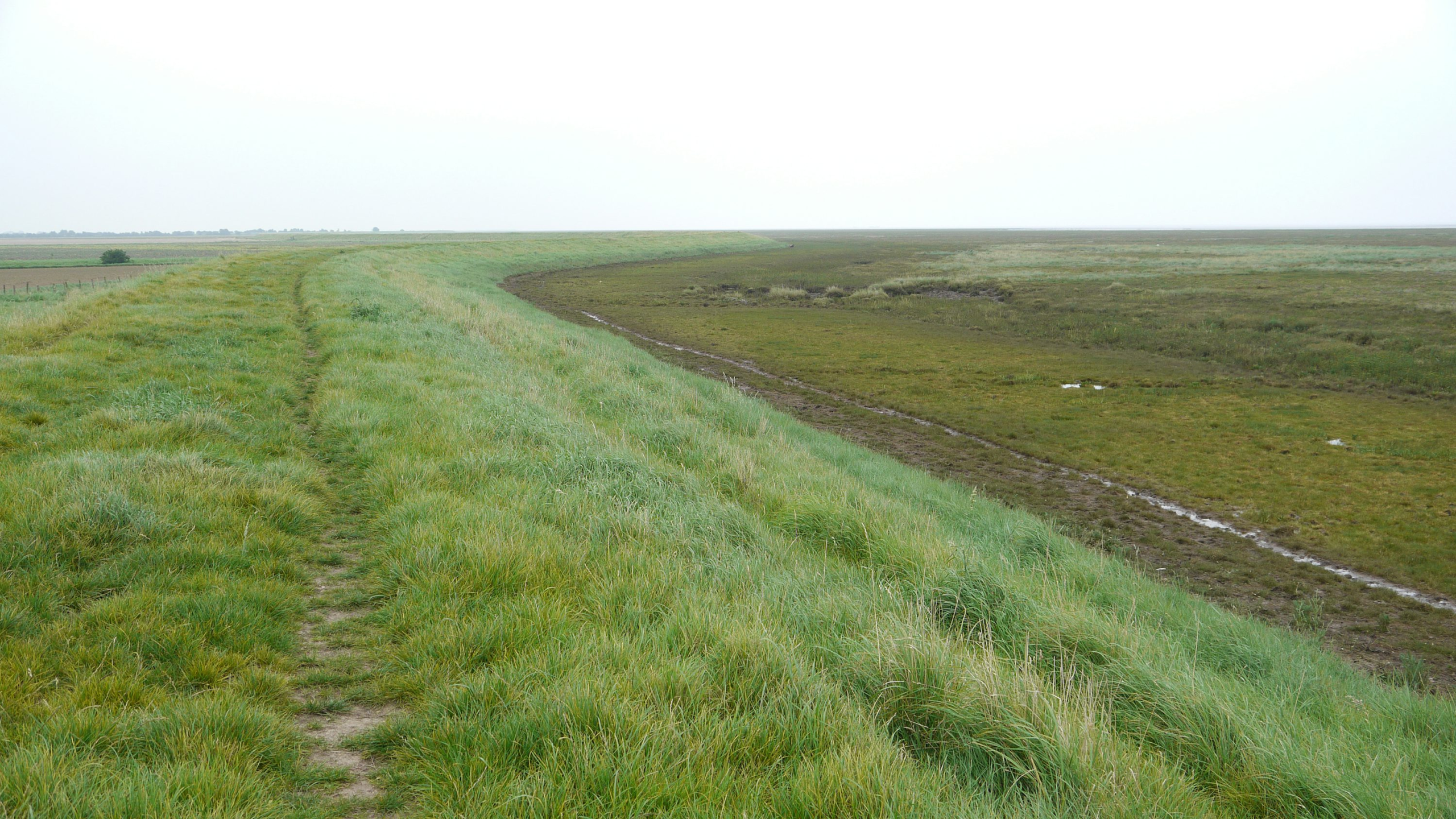
The principal new structure will be a 1.5km flood embankment at Greenabella Marsh. Once that defence has been established, sections of the existing Greenabella embankment will be breached to allow tidal water to return to areas currently separated from the estuary.
Repair work is also planned on the Greatham Creek embankment. Structural investigations have found both existing embankments to be in poor condition, with their construction from slag boulders in the late nineteenth century making them difficult to maintain using conventional repair techniques.
The scheme therefore combines replacement and refurbishment rather than relying on one new linear defence. Existing assets will continue to play a role during construction while the new embankment is built and brought into service, requiring the transition between old and new flood protection to be carefully sequenced.
Material for the new Greenabella embankment will be excavated from Environment Agency land at Marsh House Farm close to the site. The resulting excavation will then be used to form a saline lagoon, tying the project’s earthworks strategy directly to its habitat objectives.
That approach reduces the need to import large quantities of embankment material from outside the area, but local sourcing does not remove the engineering controls required for permanent flood infrastructure. Clay used within the defence will need to meet specification for composition, moisture, placement and compaction before it can form part of the completed barrier.
The excavation and placement programme also has to work around an estuary landscape containing roads, industrial infrastructure, environmental designations and existing flood assets. Temporary access and material movements will therefore be closely connected to the sequence in which individual sections of embankment can be constructed.
Managed realignment is central to the permanent design. Breaching parts of the existing Greenabella defence will allow tidal influence to return behind the old embankment once the replacement protection is in place, creating mudflat and saltmarsh habitat alongside the flood risk function.
The Environment Agency estimates that less than 10% of the Tees Estuary’s original intertidal habitat remains following more than two centuries of industrial development. The project is intended to restore part of that lost habitat while improving resilience for nationally important industry and infrastructure around the estuary.
Those two objectives make the construction sequence particularly sensitive. The existing embankment cannot simply be opened at the start of the programme because the replacement flood protection must first be sufficiently complete to maintain the required standard of defence.
Temporary works and hydraulic planning will therefore determine when individual sections can be altered. Construction teams will have to account for tidal conditions and the performance of the remaining defences while permanent earthworks and repairs are undertaken nearby.
Greatham Creek adds a different set of challenges because the existing embankment requires repair rather than wholesale replacement. Working on ageing slag construction will require the contractor to deal with an asset whose composition and condition differ considerably from a modern engineered clay embankment.
The wider project sits within the £30 million Tees Tidelands Programme, which combines flood defence realignment with river and estuary restoration. A separate £4.5 million Greatham Marsh restoration project was completed earlier this year, returning tidal water to an area that had been cut off from the estuary for more than 200 years.
That programme context means habitat creation is part of the engineering brief rather than a landscaping package added once the principal civil works are complete. Ground levels, water movement, embankment alignment and the timing of breaches all influence whether the restored areas develop as intended.
The Environment Agency’s Oxford Flood Alleviation Scheme provides another current example of flood infrastructure being designed around extensive earthworks and habitat creation. At Greatham, the coastal and industrial setting creates a different hydraulic problem, but both programmes require civil engineering and environmental works to function as a single system.
Planning permission does not complete the pre-construction process. The Environment Agency is continuing work on the licences and consents required before mobilisation and will maintain engagement with affected landowners as detailed delivery arrangements are finalised.
Those remaining approvals will sit alongside contractor mobilisation, temporary access planning and the final sequencing of earthworks. The start date is now defined as early 2027, replacing earlier programme assumptions made before planning determination.
The two-year construction period will have to accommodate new embankment work, existing defence repairs, material excavation, habitat formation and the controlled opening of land to tidal water. Each part affects the hydraulic behaviour of the others, limiting the extent to which individual packages can be treated as independent construction operations.
Planning approval moves Greatham into that delivery phase with the permanent arrangement now established. The next significant milestone is mobilisation in early 2027, when the project shifts from consent and design into the earthworks, flood defence repairs and managed realignment that will reshape this section of the Tees Estuary.