IN Brief:
- ECF has completed Willohaus, a 100-home affordable Passivhaus development in Salford.
- The Peru Street scheme was built by Eric Wright Construction and designed by Buttress Architects.
- The project strengthens Salford’s pipeline of low-energy affordable housing within the £2.5bn Crescent Salford masterplan.
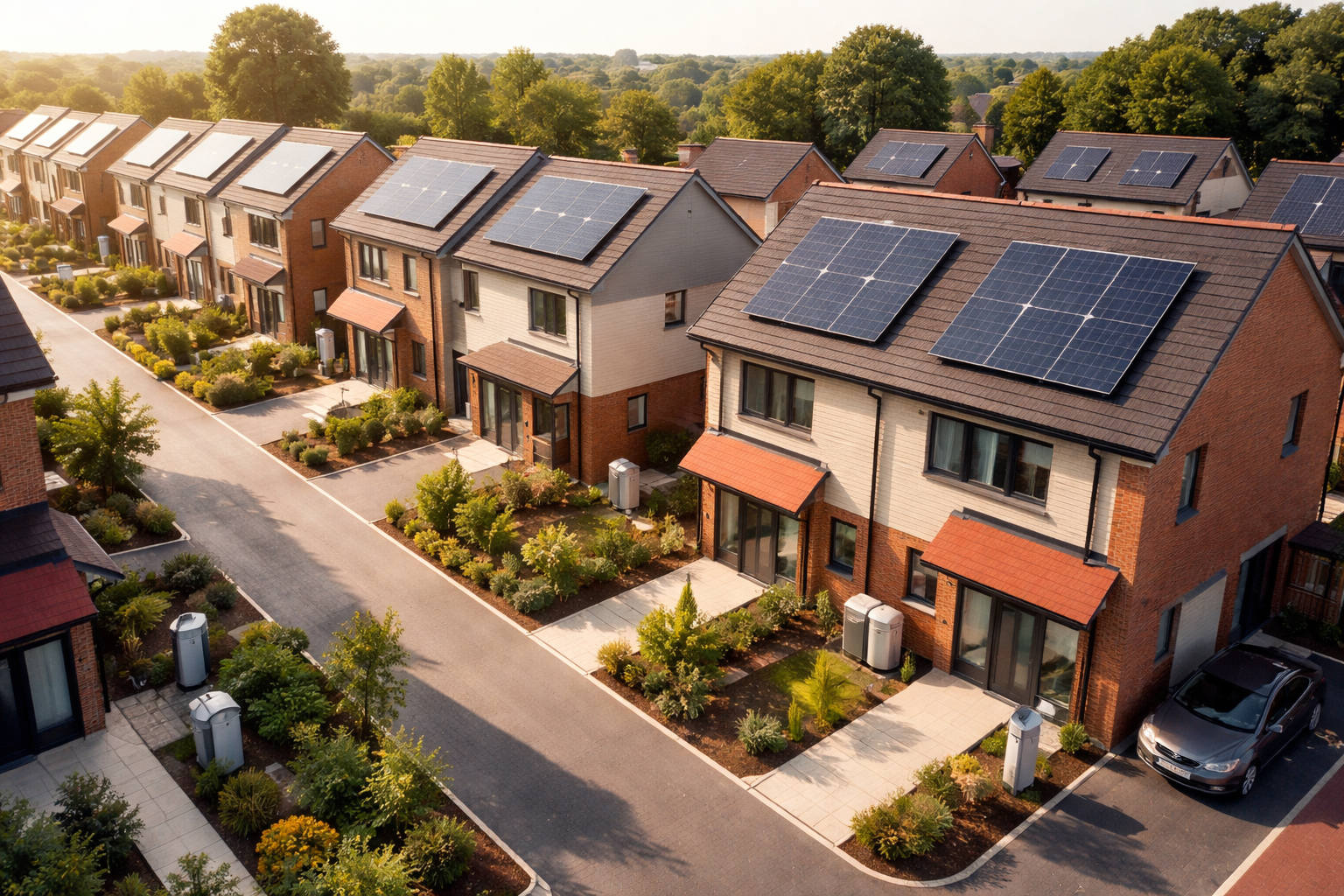
ECF has completed Willohaus, a 100-home affordable Passivhaus development on Peru Street in Salford.
The scheme has been delivered by Eric Wright Construction for ECF, the partnership between Muse, Legal & General, and Homes England. Buttress Architects designed the development, which includes one- and two-bedroom apartments, with 30 homes for social rent and 70 for affordable rent.
Willohaus is the first completed residential building within Adelphi Village, part of the £2.5bn Crescent Salford masterplan being delivered by ECF and Salford City Council. The homes will be owned and managed by Salix Homes.
The development follows Greenhaus on Chapel Street, which was delivered by the same project team and helped establish Passivhaus affordable housing at scale in the city. Willohaus continues that approach, using fabric-first design, high levels of insulation, airtightness, and controlled ventilation to reduce energy demand and improve internal comfort.
Further phases are already moving through the programme. Work has started on 42 townhouses and 185 apartments at the former Farmer Norton car park, while plans have been approved for a further 263 homes as the 3,000-home Adelphi Village neighbourhood develops.
Across public and affordable housing, certified low-energy construction is moving steadily from demonstration status into repeatable delivery. A completed Passivhaus secondary school project in Fife showed the same shift in public-sector building, with energy performance treated as a core delivery requirement rather than an enhancement layered onto a conventional design.
For housing providers, the technical case is becoming more direct. Affordable housing residents are exposed to energy costs, while landlords face increasing pressure to reduce operational emissions, improve asset quality, and maintain comfortable internal environments during hotter summers and colder winters. Passivhaus does not remove the challenge of build cost, but it gives clients a more predictable operational outcome than many conventional buildings.
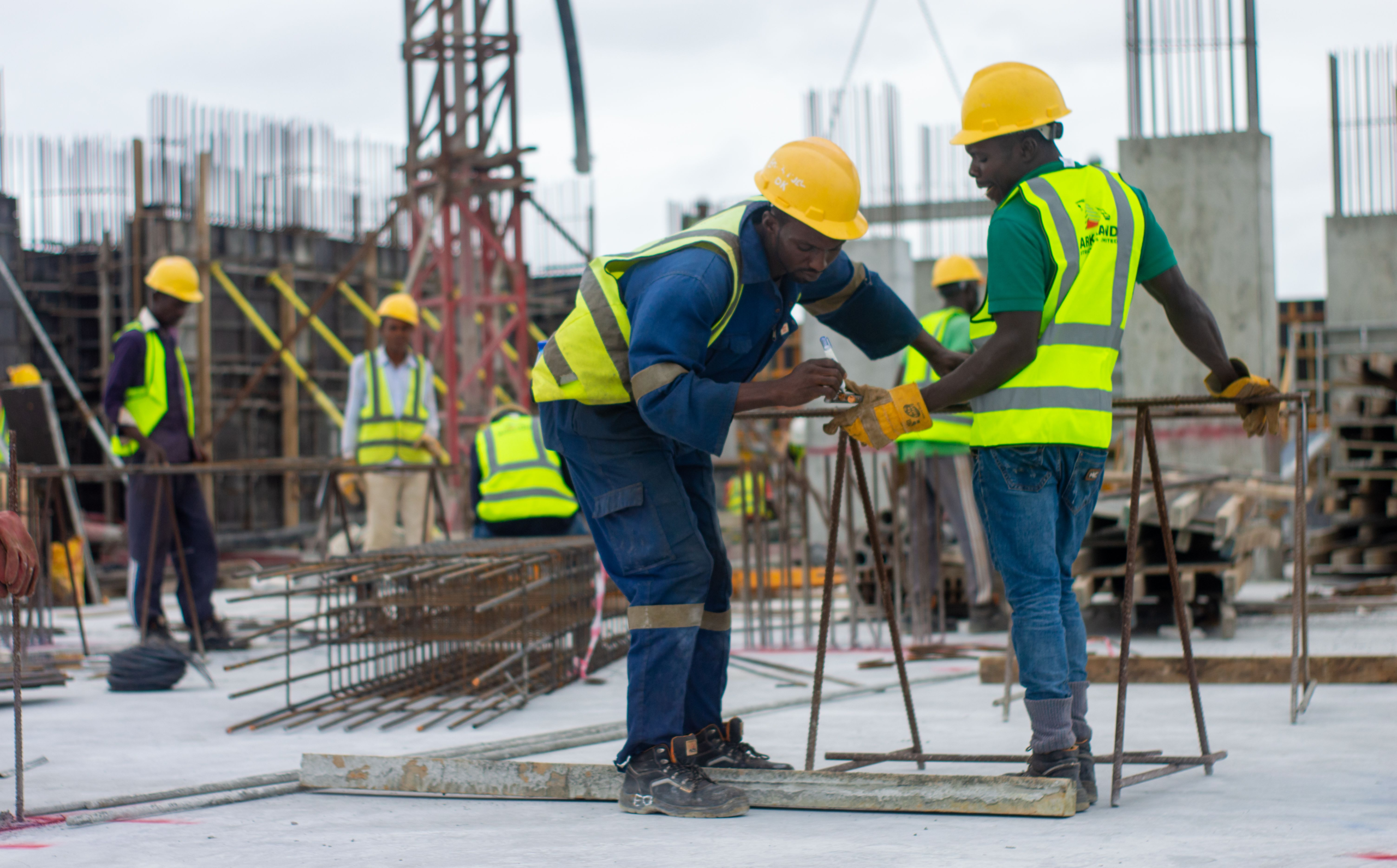
The construction discipline required remains demanding. Passivhaus delivery depends on early coordination between architect, contractor, M&E designers, suppliers, and site teams. Thermal bridging, airtightness detailing, window installation, ventilation strategy, and sequencing all have to be controlled from design through handover. A detail missed on site can reduce performance and create remediation work that is far more expensive than getting the sequence right first time.
That puts skills and procurement under scrutiny. If low-energy homes are to move beyond isolated projects, clients need project teams with delivery experience, tested details, and supply chains comfortable with higher performance requirements. The continuity between Greenhaus and Willohaus allowed knowledge to carry between projects, reducing the risk of treating every scheme as a prototype.
Crescent Salford also places low-energy housing within a larger regeneration setting. The masterplan covers 240 acres and includes homes, university-linked development, public realm, and supporting infrastructure. Within that framework, Willohaus is part of neighbourhood formation, decarbonisation, and long-term asset management, rather than a standalone sustainability gesture.
The cost question will shape wider adoption. Passivhaus projects can carry a premium, particularly where teams lack experience or supply chains are fragmented. Repetition, standardised details, stronger product availability, and earlier contractor involvement should reduce that pressure over time. Willohaus adds another completed reference point for clients considering whether higher performance standards can be delivered at affordable housing scale.