IN Brief:
- Morganstone will deliver civil and structural works for Tata Steel UK’s new Pickle Line at Port Talbot.
- The package moves Project Invictus from enabling activity into main construction.
- The wider programme supports Tata Steel UK’s transition towards electric arc furnace-based production.
Morganstone has been appointed to deliver the civil and structural works package for Tata Steel UK’s new Pickle Line at Port Talbot, moving one of the UK’s largest industrial decarbonisation programmes into a more visible construction phase.
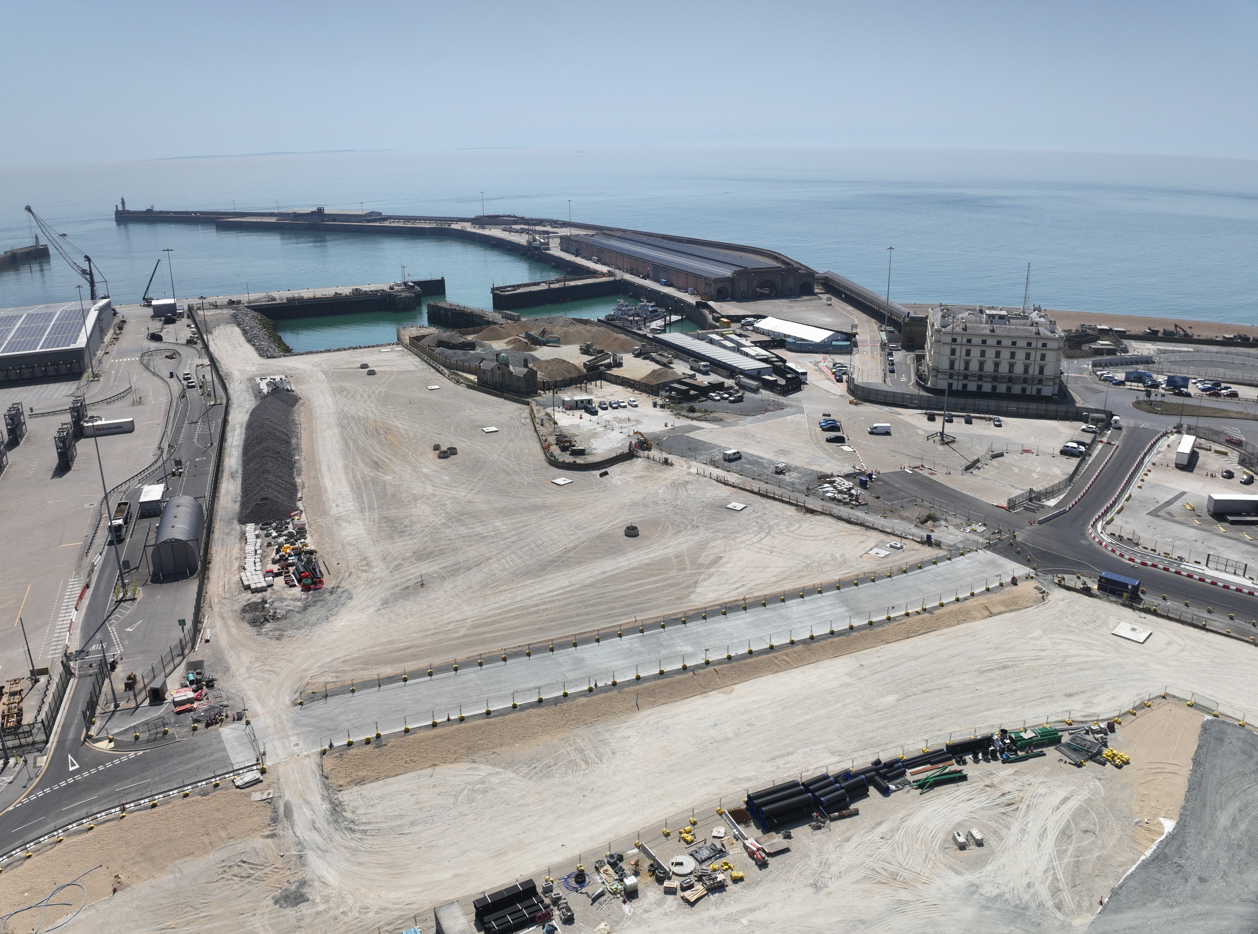
The South Wales contractor will work on infrastructure linked to the new line as Tata Steel UK progresses Project Invictus, the programme underpinning the transformation of the Port Talbot steelworks. The package follows demolition and enabling activity across the site and forms part of the downstream infrastructure required to support the company’s planned lower-carbon steelmaking route.
Project Invictus covers a wide range of works at Port Talbot, including groundworks and piling around the electric arc furnace area, scrap handling infrastructure, National Grid connection works, redevelopment of former basic oxygen steelmaking areas, and upgrades to casting and downstream operations. The Pickle Line sits within that wider process chain, linking construction activity directly to the future operation of the site.
For Morganstone, the contract places a regional contractor at the centre of a programme that carries both industrial and local economic weight. Port Talbot’s transition has been debated heavily in employment, energy, and manufacturing terms, but the physical delivery of the programme will also be shaped by the construction companies able to work safely around complex industrial assets.
The civil and structural element will require close alignment with process equipment, services, utilities, access, and commissioning requirements. Steelworks redevelopment is rarely a clean-site exercise, and the construction sequence must account for legacy assets, restricted working areas, heavy plant movements, changing operational interfaces, and the long-term maintenance needs of the completed line.
Industrial construction is becoming a more important part of the UK workload as manufacturers invest in decarbonisation, electrification, automation, and supply resilience. Steel, energy, chemicals, logistics, and advanced manufacturing sites all require contractors capable of combining conventional construction skills with an understanding of live process environments. Port Talbot is one of the clearest examples of that shift, because the project changes the future production model of a nationally important site rather than simply extending an existing building.
The planned electric arc furnace route places different physical demands on the works compared with traditional blast furnace operations. Scrap receiving and handling, power infrastructure, downstream processing, and site logistics all become central to the future layout. Those changes create opportunities across civil engineering, structural works, electrical infrastructure, process installation, and specialist commissioning, but they also increase the penalty for poor coordination between design, construction, and equipment suppliers.
Industrial decarbonisation schemes also sit in a construction market where contractors are managing uneven demand. Housing and parts of commercial construction remain under pressure, while some infrastructure programmes are affected by funding delays and procurement uncertainty. Large manufacturing and energy transition projects can provide valuable continuity, but they require technical competence, safety discipline, and commercial patience.
At Port Talbot, the next phase will turn strategic investment into built assets that have to operate reliably for decades. The Pickle Line package is one part of that larger transformation, but it is a practical marker of progress. For the construction supply chain, the project shows how the transition to lower-carbon industry will be delivered through site works, foundations, structures, services, and installation packages as much as through policy commitments and technology announcements.