IN Brief:
- Peel Waters, Qualis Developments, and Forshaw Group have started phase two of Redbridge Quay.
- The Wirral Waters scheme will deliver 90 apartments across six four-storey buildings.
- The project continues residential development on a complex brownfield waterside regeneration site.
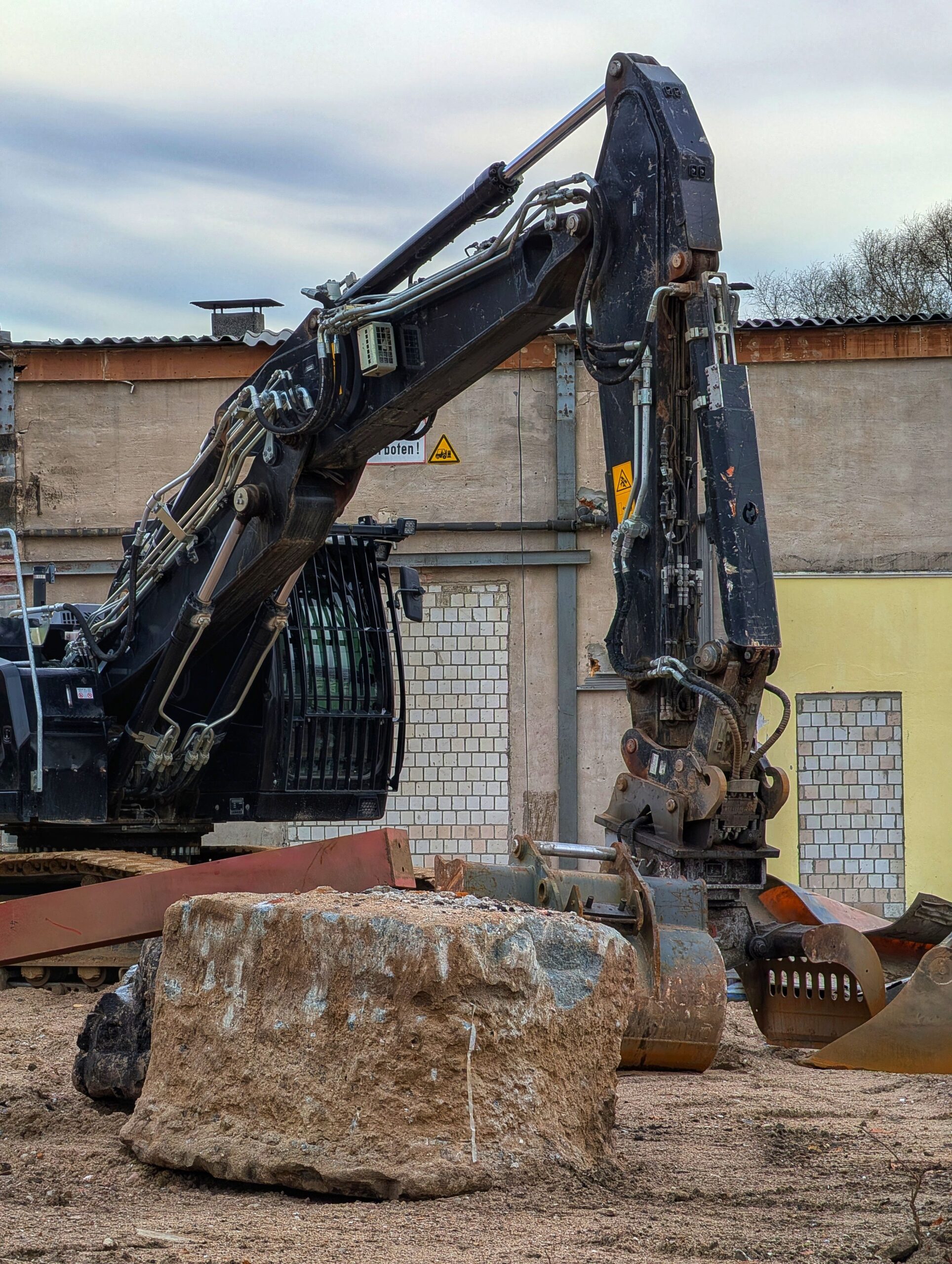
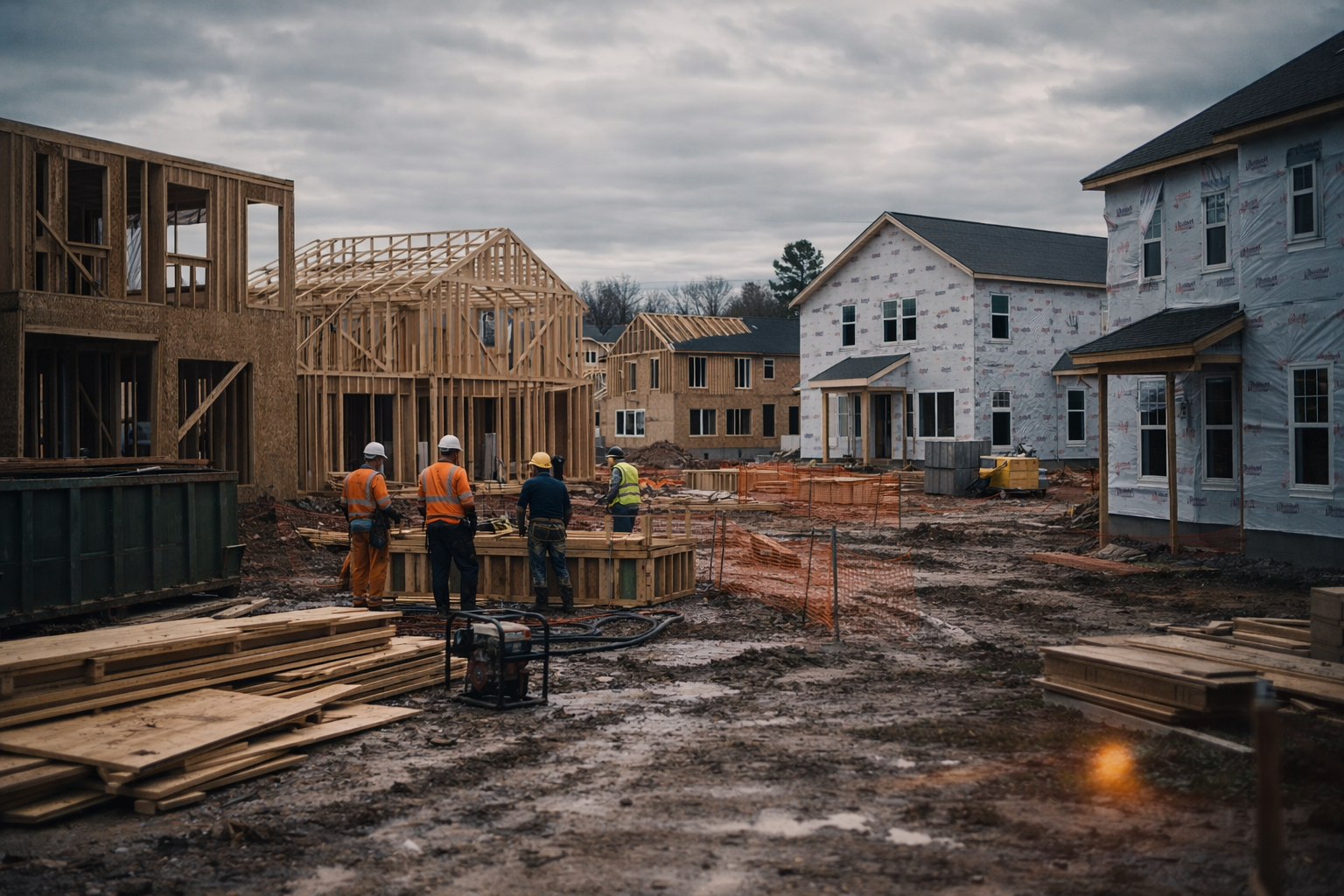
Peel Waters has started construction on phase two of Redbridge Quay at Wirral Waters, working with joint venture partners Qualis Developments and Forshaw Group.
The latest phase will deliver 90 new homes across six four-storey buildings, comprising 84 one-bedroom apartments and six three-bedroom apartments. Wirral Council approved the scheme earlier this year.
The development will include solar panels, EV charging infrastructure, cycle parking, landscaped communal gardens, new tree planting, and public realm improvements connecting to the waterfront promenade.
Phase two follows the completion of Miller’s Quay and the first phase of Redbridge Quay, extending residential delivery within the wider Wirral Waters regeneration programme. The work continues the conversion of complex brownfield land into a higher-density waterfront neighbourhood.
Waterside regeneration schemes bring a different construction profile from standard residential development. Ground conditions, remediation, utilities, flood risk, access, marine interfaces, public realm, and phasing can all affect cost and programme. The appeal of a waterfront site is tied to the same conditions that make delivery more technically demanding.
At Redbridge Quay, the development is being shaped around homes, movement routes, landscape, and waterfront access rather than isolated apartment blocks. That relationship between buildings and public realm is central to long-term regeneration value. Residential phases need to support wider placemaking, while the surrounding infrastructure must be good enough to make the new district usable before the whole masterplan is complete.
The inclusion of solar panels, EV charging, cycle parking, and communal landscaped space reflects the baseline now expected on many urban regeneration schemes. These features affect electrical infrastructure, drainage design, site logistics, maintenance planning, and resident management. When they are integrated early, they can strengthen the overall scheme; when added late, they can create avoidable coordination problems.
The apartment mix also points to the type of demand being targeted. With one-bedroom apartments forming the majority of the phase, the scheme is likely to suit smaller households, renters, first-time buyers, and residents looking for compact homes in a regenerated urban setting. The inclusion of three-bedroom homes broadens the offer, although the overall phase remains a high-density residential package.
Regeneration-led housing has continued to move where schemes have strong locations, public-sector support, and long-term development frameworks. In Manchester, new residential proposals have also been moving through dense urban locations, showing how city and waterfront sites can still attract development where transport, amenity, and regeneration value align.
For contractors, brownfield residential work requires close control of enabling works and site interfaces. Remediation, drainage, utility diversions, temporary access, and public realm sequencing can shape the project as much as the superstructure. On phased waterfront sites, delivery teams also need to protect access for completed phases while building the next stage.
Wirral Waters will only gain momentum through repeated delivery. Each completed phase adds homes, footfall, public realm, and confidence, but gaps between phases can weaken the sense of place. Maintaining construction progress across market cycles will depend on funding, sales or rental demand, construction costs, infrastructure delivery, and planning stability.
Redbridge Quay phase two adds another live package to that process. Its value lies in continuing to turn a long-term waterfront plan into occupied homes, public space, and a more connected urban district.