IN Brief:
- Caddick will build 141 homes at Torus Homes’ Blowick Moss Lane extra care development in Southport.
- The £50m scheme includes apartments, mews houses, communal facilities, and electric heating systems.
- The project was procured through the Torus Contractors Framework for housing and retrofit work.
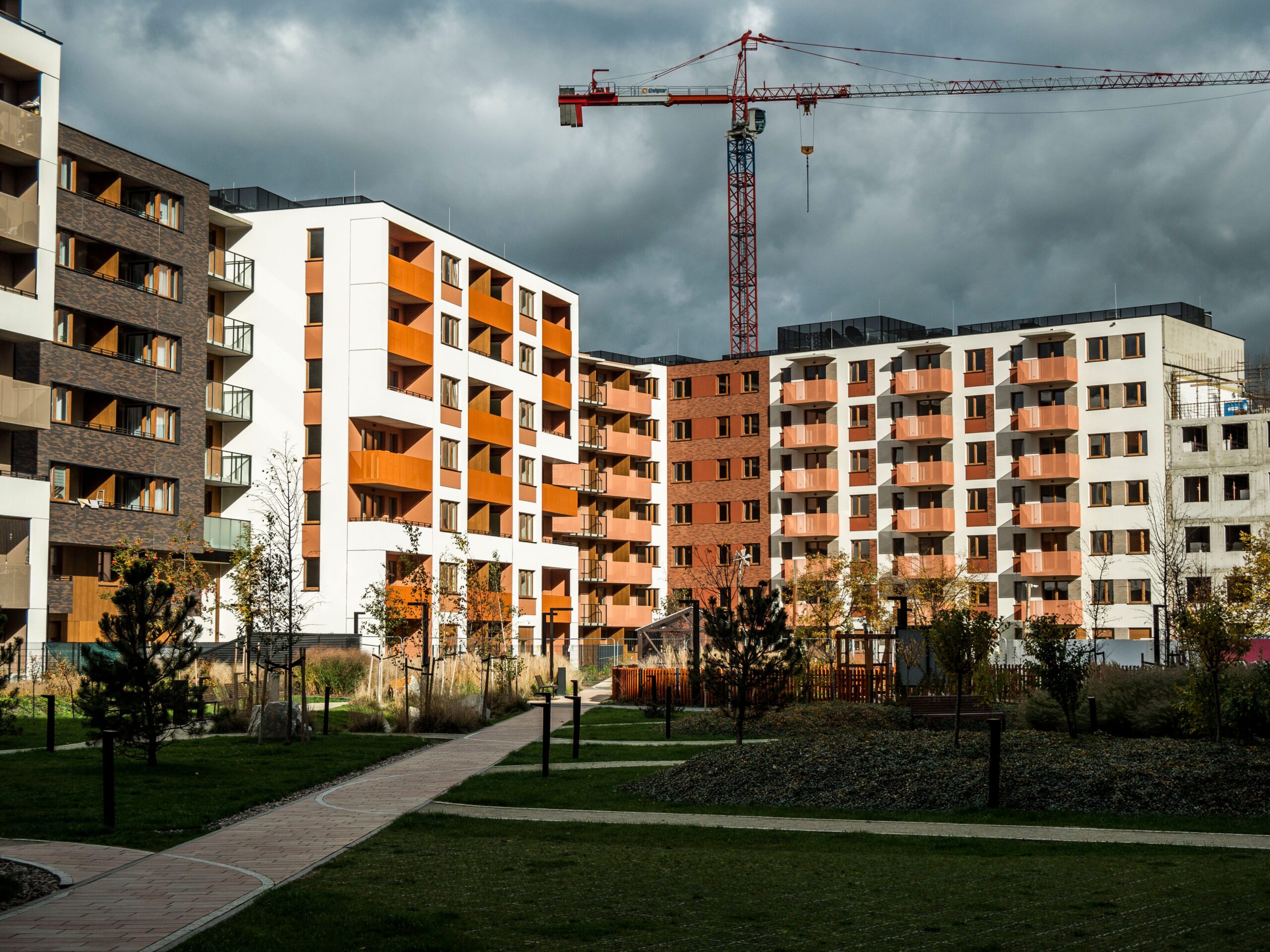
Caddick has been appointed to deliver Torus Homes’ £50m Blowick Moss Lane extra care development in Southport.
The scheme will provide 141 homes designed to support independent living for older residents, with communal spaces and facilities intended to support accessibility, wellbeing, and day-to-day social interaction.
Backed by more than £11m of grant funding from Homes England, the development will include 118 apartments within the main extra care building, 18 apartments across two independent living buildings, and five mews houses.
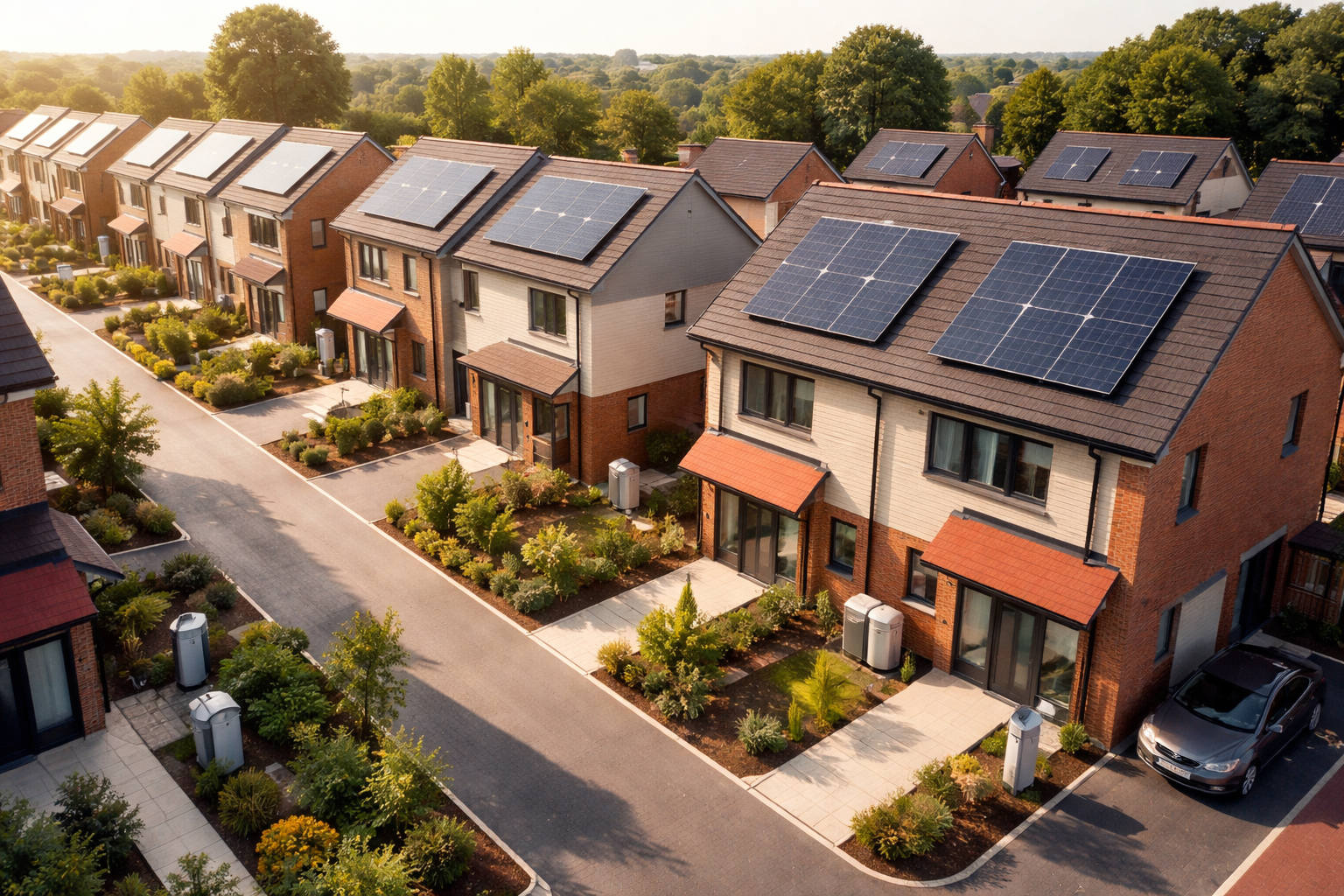
The project will use electric panel heaters and hot water heat pumps, with no gas boilers specified. Caddick secured the contract through the Torus Contractors Framework, which supports housing development and retrofit work across the North West.
Extra care housing sits between mainstream residential construction and specialist care provision, which makes delivery more complex than a conventional apartment scheme. Homes need to support independence while allowing for changing mobility, care, and management requirements over the life of the building. Circulation space, step-free access, fire strategy, assisted facilities, lifts, lighting, storage, heating, overheating control, and building management systems all need to be coordinated around residents who may have evolving needs.
Building services choices carry particular weight in this sector. Registered providers and public-sector partners are trying to reduce operational carbon while keeping homes affordable to run and maintain. Heat pumps and electric heating systems can support decarbonisation, although their success depends on specification, installation quality, commissioning, controls, and resident usability. A low-carbon system that is difficult to operate or expensive to maintain can quickly lose its advantage.
Framework procurement is also shaping how supported housing projects reach site. Housing providers need reliable contractor capacity, but grant funding windows, planning conditions, cost pressure, and design standards leave little room for prolonged procurement. A framework route can shorten the path to delivery while giving clients access to contractors already assessed for relevant housing work.
For contractors, repeat housing frameworks reward consistency more than one-off procurement success. Clients expect familiarity with funding requirements, resident needs, building safety expectations, energy performance, and handover quality. Extra care projects add another layer because the completed asset will operate as both housing and a managed living environment.
The Southport contract sits within a wider pattern of regional housing and regeneration work, where public and housing-sector clients are combining new homes with social infrastructure. Similar place-led housing activity can be seen in recent regeneration work at Boscombe, where residential delivery is being tied to wider renewal objectives.
Demographic pressure will keep extra care housing high on the agenda. Local authorities and housing providers need alternatives to conventional care homes and unsuitable existing housing stock. Well-designed extra care schemes can support independence, reduce pressure on health and social care services, and provide a more adaptable form of later-life accommodation.
The delivery test is therefore both technical and social. The buildings need to be robust, efficient, safe, and accessible, while also creating homes that residents can occupy comfortably over time. That requires strong coordination between client, contractor, design team, building services specialists, and housing management teams before construction reaches its later stages.
Caddick’s appointment gives Torus a main contractor for a substantial supported-housing scheme in a market where public funding, specialist design, low-carbon systems, and cost certainty must be held together. As demand for later-life housing grows, schemes of this kind are likely to become a larger part of regional construction pipelines.