IN Brief:
- earth4Earth has opened its first UK factory in Neepsend, Sheffield.
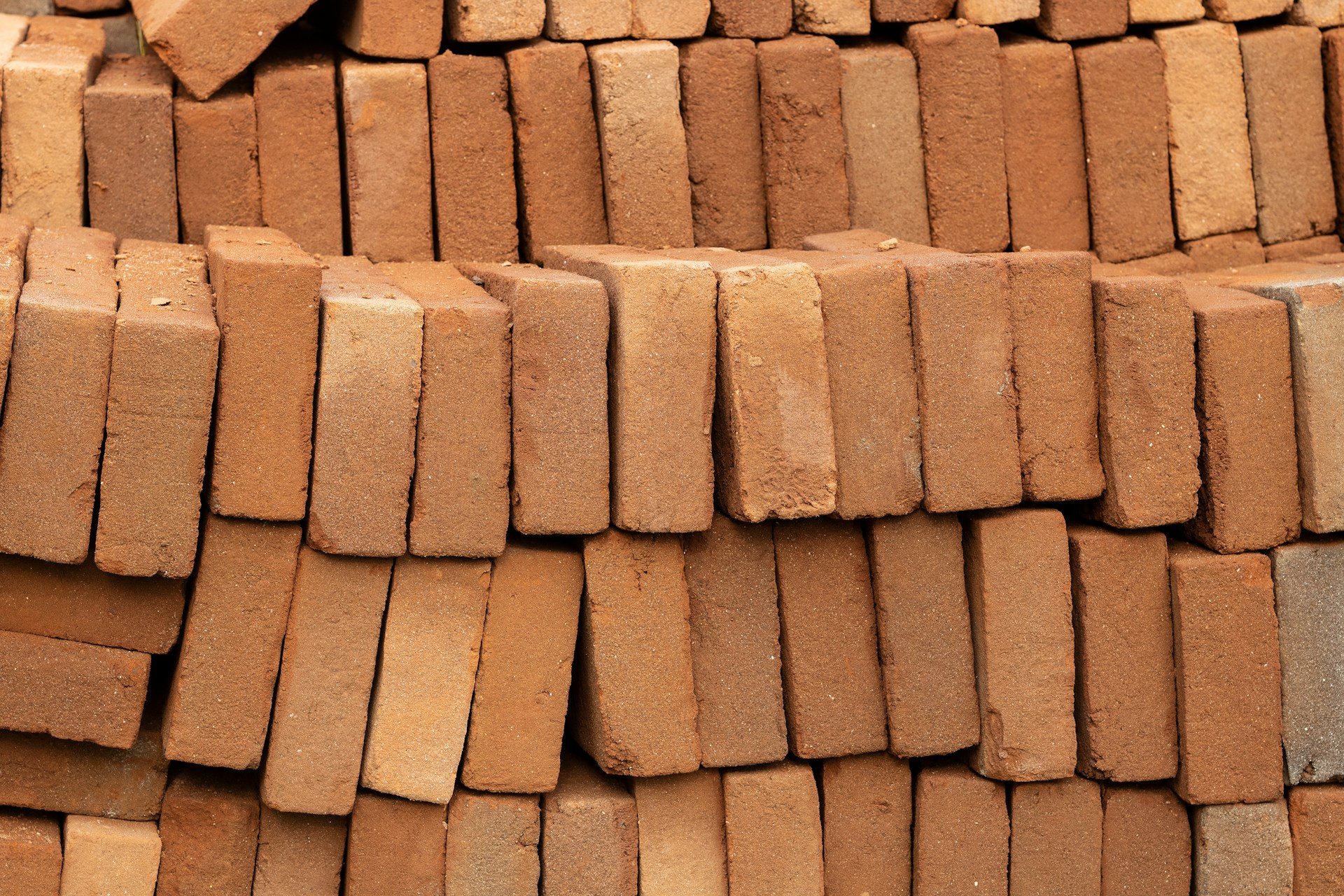
- The facility will manufacture low-carbon and carbon-negative bricks and brick slips for construction projects.
- The launch adds domestic production capacity to the growing market for lower-carbon building materials.
earth4Earth has opened its first UK factory in Sheffield, where it will manufacture sustainable bricks and brick slips for construction projects.
The company’s new site in Neepsend will produce low-carbon and carbon-negative masonry products, supporting the start-up’s move from product development into UK-based manufacturing.
Founded in Sheffield in 2023, earth4Earth has been developing brick and brick slip products intended to reduce embodied carbon in building projects. Its materials are designed for familiar construction applications while offering a lower-carbon alternative to conventional masonry.
The factory opening marks a small but practical step in the industrialisation of low-carbon construction products. Specifiers, developers, and contractors are under increasing pressure to cut embodied carbon, but product adoption depends on far more than environmental performance. Availability, certification, price, durability, handling, installation familiarity, and warranty acceptance all influence whether a new material moves beyond pilot projects.
Brick remains central to UK construction, particularly across housing, mixed-use schemes, schools, public buildings, and façade-led urban development. Lower-carbon masonry is therefore attractive, but the technical threshold is high. Any alternative must fit established design processes, site methods, fire and weathering requirements, façade detailing, maintenance expectations, and purchasing habits.
UK production capacity helps address one of the recurring barriers facing novel materials: confidence in supply. Architects may be willing to specify lower-carbon products, and clients may want them, but contractors need assurance that material can be manufactured consistently, delivered to programme, and supported with technical data. Without that assurance, lower-carbon specification can become a delivery risk.
The launch also sits within a broader materials-market shift. Manufacturers are investing in lower-carbon products, recycled content, alternative binders, cleaner process energy, and improved testing capacity. Commitments around low-carbon concrete have shown how demand signals are being used to pull next-generation materials into mainstream procurement. earth4Earth’s factory follows the same direction within masonry.
The challenge for suppliers is to prove that environmental claims can sit alongside construction performance. Embodied carbon reductions are valuable, but contractors also need compressive strength data, weathering evidence, tolerances, installation guidance, interface details, compatibility with mortars and support systems, and clear product declarations. Market adoption increasingly depends on making that technical evidence easy for specifiers and commercial teams to use.
Domestic production of construction products has also become more strategically relevant after several years of volatility in materials supply, transport costs, energy prices, and imported product exposure. Local manufacturing cannot remove every risk, but it can shorten supply chains, improve responsiveness, support regional jobs, and give contractors closer technical support.
Sheffield gives earth4Earth an industrial base with access to research, engineering, and manufacturing networks. For a start-up materials business, proximity to technical expertise and potential construction customers can be as valuable as the production facility itself.
Contractors will still be cautious, as they should be. New materials often face a slow route through samples, mock-ups, trial projects, certification, client approval, and insurer confidence. Brick slips in particular can involve façade systems, adhesive compatibility, backing boards, fire performance, and workmanship standards that need careful attention. Carbon credentials alone do not solve installation, liability, or compliance concerns.
The factory gives earth4Earth a stronger platform to answer those questions. Moving into production allows the company to demonstrate repeatability, build stock, support CPD and technical engagement, and work more directly with project teams. It also gives contractors and specifiers a clearer route to assess whether the product can be adopted on live schemes.
Construction materials are becoming more industrial, more data-led, and more closely tied to carbon reporting. A Sheffield factory producing lower-carbon bricks will not transform the market alone, but it adds another domestic option at a point when project teams are being asked to reduce embodied carbon without slowing delivery or increasing technical risk.