IN Brief:
- Hinkley Point C M&E works have been disrupted by a workforce dispute.
- The dispute followed concerns over new clocking-in stations and subsequent return-to-work processes.
- A revised 10-days-on, four-days-off shift pattern is due to come into effect in July.
Hinkley Point C has seen mechanical and electrical works disrupted for more than three weeks after a workforce dispute escalated into a stand-off involving hundreds of operatives.
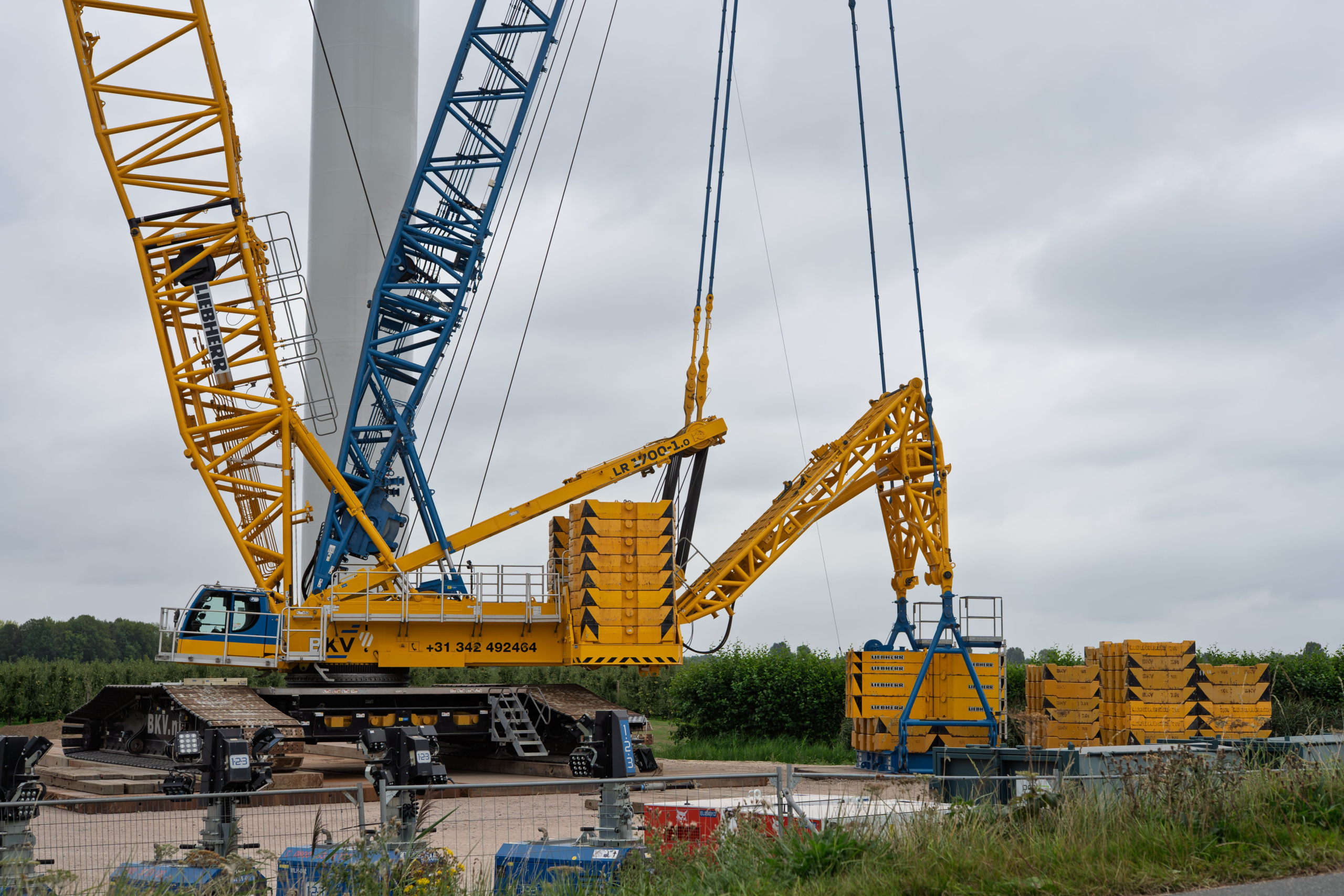
The disruption began after workers staged a sit-in protest on 2 June over safety concerns linked to new clocking-in stations. The stations had been moved further into the site and away from canteens, with workers claiming they were positioned too close to a crane-lift zone. Site management has denied that the new location created the risk alleged by workers.
Project bosses sent M&E workers home after the action, while employers from the MEH Alliance subsequently treated participation in the stand-down as unofficial industrial action. Workers were then told they would need to attend individual HR meetings and could potentially face disciplinary action, delaying the planned return to work.
The workforce was also informed that revised working arrangements would be introduced, including a new 10-days-on, four-days-off shift pattern. That pattern is due to come into effect from 7 July and had previously received a mixed response during consultation.
On a regulated nuclear construction programme, site access and welfare arrangements carry far more weight than they would on a smaller project. Hinkley Point C brings together civil engineering, mechanical installation, electrical systems, HVAC, logistics, cranes, security, temporary works, and operational controls across a vast and highly managed site. A change to where workers clock in can affect movement, fatigue, break times, supervision, and perceptions of safety.
M&E works are especially sensitive because they cut across later, highly integrated stages of construction. Delays can disrupt commissioning logic, access planning, specialist labour deployment, and the sequencing of multiple subcontractor packages. Once a dispute moves into HR processes and return-to-work conditions, the commercial effect can outlast the original disagreement.
Workforce relations have become a more visible delivery risk across major UK infrastructure programmes. Large projects rely on operatives travelling from across the country, often working demanding shift patterns and living away from home. Any change to shift arrangements affects accommodation, travel, fatigue management, pay expectations, and family routines, which makes consultation and communication part of the operational system rather than a separate HR process.
The dispute also shows how welfare geography can influence productivity. Clocking-in stations, canteens, transport drop-off points, changing areas, and workfaces are sometimes treated as site logistics, yet they shape the daily experience of thousands of workers. When those arrangements are altered without strong confidence across the workforce, a management efficiency measure can quickly become an industrial relations problem.
Hinkley Point C is already under close scrutiny because of its cost and schedule pressures, as well as its role in the UK’s future energy strategy. Nuclear new-build programmes depend on long construction cycles, specialist labour, and complex supply chains. Labour disruption on key packages therefore reaches beyond a short-term loss of site hours, especially where confidence and trust are needed to sustain productivity over years rather than months.
Stabilising the workforce position will require more than restarting activity. Safety concerns, whether accepted or disputed, need to be resolved in a way that allows operatives to return with confidence and managers to maintain control of a constrained site. The revised shift pattern will also need careful handling once implemented, as any further breakdown would risk dragging the dispute deeper into the main construction programme.
Major infrastructure projects often separate people, planning, and productivity in management documents, but on site they are inseparable. Hinkley’s M&E disruption shows how an access decision can move into safety concern, how safety concern can become industrial action, and how industrial action can affect the packages that hold a programme together.