IN Brief:
- Ballard Power Systems has agreed to acquire UK-based GeoPura in a deal with a £301.1m enterprise value.
- GeoPura develops hydrogen power units and supplies hydrogen for off-grid and temporary power applications.
- The deal strengthens the commercial push behind low-emission site power as contractors reduce diesel generator dependence.
Ballard Power Systems has agreed to acquire UK-based GeoPura, bringing together fuel cell technology, hydrogen production, distribution, logistics, refuelling, and stationary power units in a deal valued at £301.1m on an enterprise-value basis.
The transaction includes £275m of upfront consideration, funded through cash and newly issued Ballard shares, with additional contingent consideration of up to £27.5m if GeoPura meets specified financial milestones after closing. Ballard expects the deal to close in the second half of 2026, subject to customary approvals.
GeoPura develops, leases, and sells hydrogen power units, supplying fuel alongside equipment for customers that need reliable off-grid or grid-support power. Its systems are used across construction, events, broadcast, healthcare, defence, and other sectors where temporary or resilient power is needed without relying solely on diesel generation.
The acquisition builds on an existing relationship between the two companies. Ballard supplies fuel cell engines for GeoPura’s hydrogen power units, while GeoPura has developed an energy-as-a-service model that combines hardware, hydrogen supply, logistics, and refuelling.
Construction is one of the clearest early markets because large sites need power for welfare, lighting, pumps, cranes, tools, charging, site offices, security, and communications. Grid connections are not always available at the right capacity or stage of works, particularly on major infrastructure projects, remote compounds, and early enabling packages.
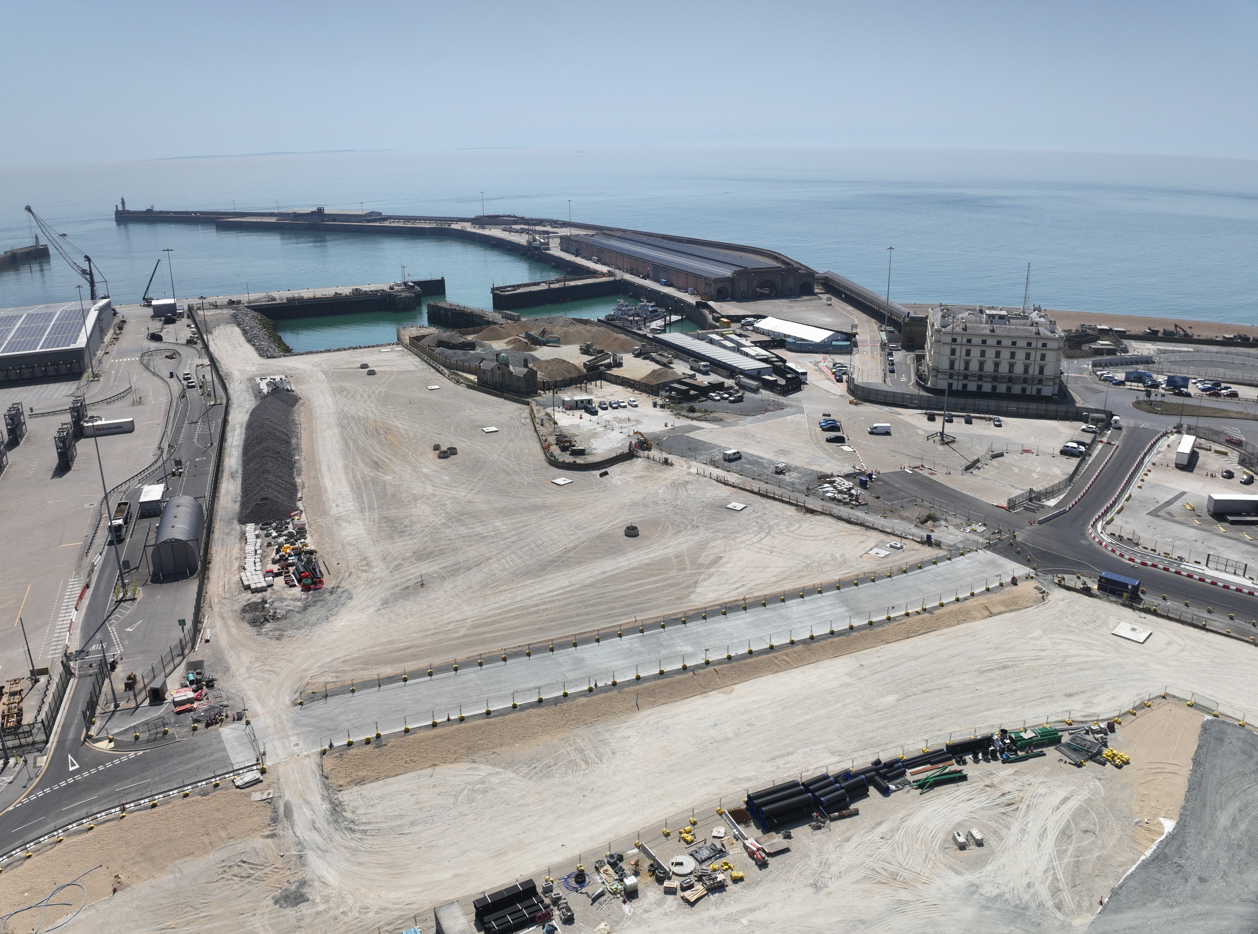
Diesel generators have filled that gap for decades, but carbon, air-quality, noise, and client requirements are changing the calculation. GeoPura’s role on the Lower Thames Crossing hydrogen supply programme and the Tilbury hydrogen hub demonstration shows how temporary power, production, refuelling, and site logistics are beginning to converge on major construction and infrastructure projects.
The Ballard deal moves that activity into a broader industrial structure. Rather than acting only as a fuel cell supplier, Ballard is taking on a downstream platform that can package fuel cells into deployed power systems supported by hydrogen supply and service contracts. That changes the commercial model from component sales towards integrated power provision.
The practical test is whether hydrogen temporary power can become predictable, available, and cost-competitive enough for routine use. Equipment performance is only one part of that answer. Hydrogen supply, transport, on-site storage, refuelling frequency, safety systems, operator training, permitting, compound layout, and integration with battery storage all affect whether the model works on live projects.
The strongest near-term applications are likely to be sites where grid connection is constrained, power demand is high, diesel use is under scrutiny, and clients are willing to pay for lower-emission delivery. Major roads, rail, energy infrastructure, water, ports, and large public works all fit parts of that profile. Smaller sites may need further cost reduction and standardisation before hydrogen becomes a routine option.
Hydrogen will also sit alongside other routes to site decarbonisation. Grid connections, battery storage, HVO, electric plant, hybrid systems, and improved energy management can all reduce diesel use. The future site power mix is likely to vary by duty cycle, power demand, project duration, compound space, refuelling logistics, and local energy availability.
Contractors are under stronger pressure to evidence carbon performance, particularly on public infrastructure and major client-led projects. Temporary works and site energy have sometimes been treated as secondary emissions compared with permanent materials, but diesel use is visible, measurable, and increasingly targeted for reduction.
Ballard’s acquisition of GeoPura gives the hydrogen site-power market a larger balance sheet and a vertically integrated platform. If the combined business can reduce cost, expand hydrogen availability, and simplify deployment for project teams, hydrogen power units could move from high-profile demonstrations into a more regular place in construction site energy planning.