IN Brief:
- Volvo CE and Hitachi Energy will collaborate on zero-emission construction-site deployment.
- The work will focus on power supply, charging, energy management, and system-level integration.
- The agreement reflects a shift from standalone electric machines towards planned electrified site ecosystems.
Volvo Construction Equipment and Hitachi Energy have signed a memorandum of understanding to develop end-to-end approaches for zero-emission construction sites.
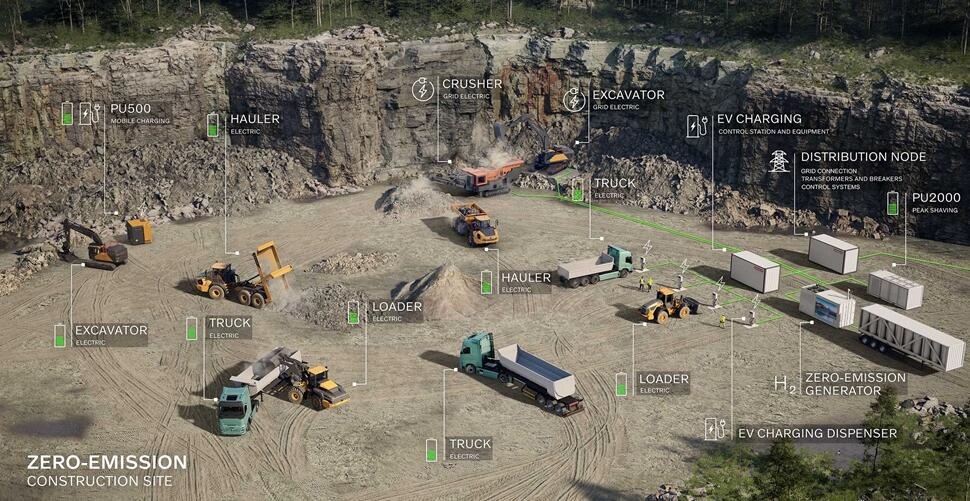
The collaboration will bring electric construction equipment together with clean power supply, charging, energy management, and system integration. The companies will work on a non-exclusive basis to assess technical and commercial concepts that support zero-emission construction and manufacturing operations.
The initial work will focus on system-level requirements needed to make electric machines practical on site. That includes power supply, charging solutions, energy management, operational integration, business models, go-to-market approaches, and aftermarket support. Joint teams from both companies will support the programme.
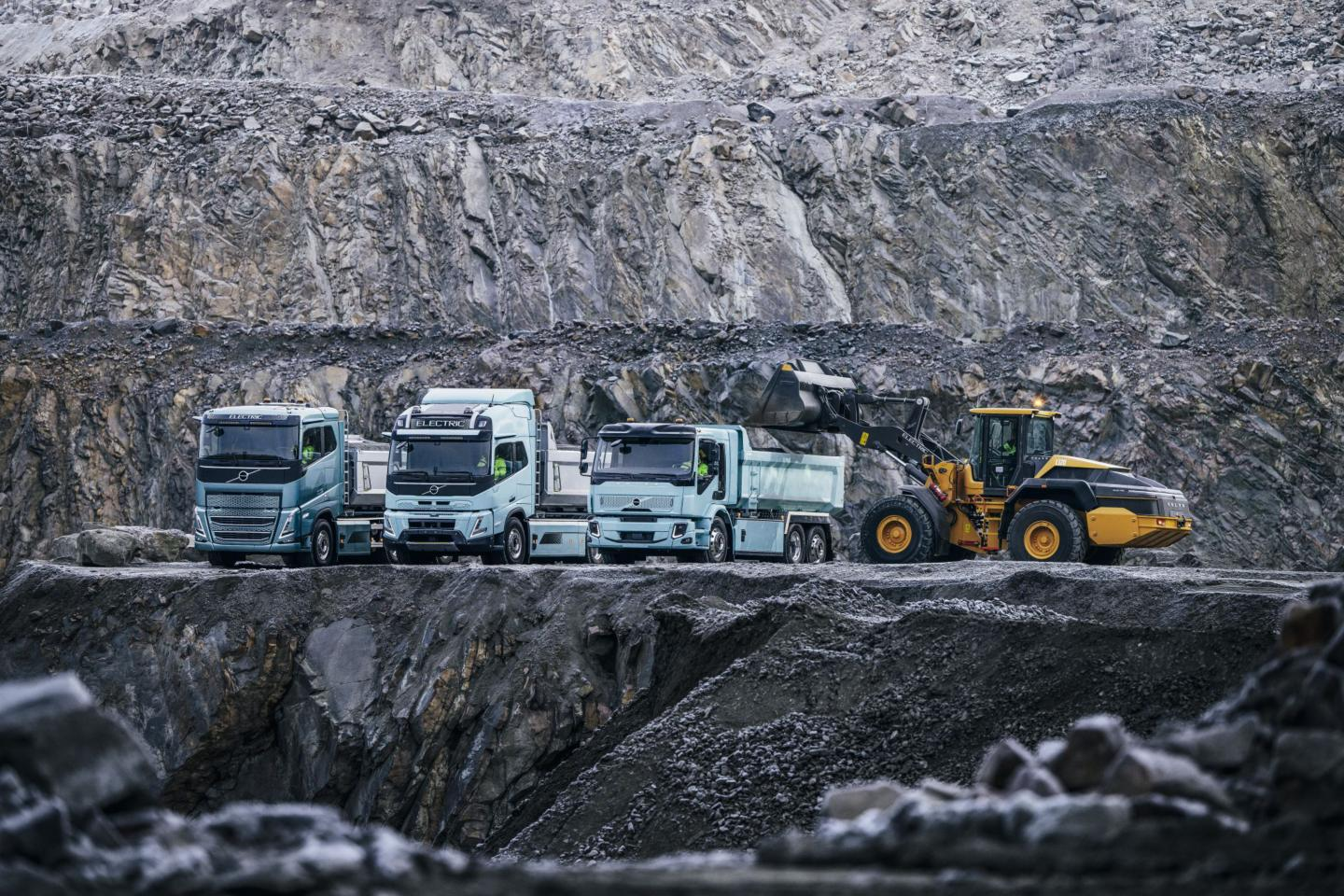
Volvo CE brings electric construction equipment and digital machine capability to the collaboration, while Hitachi Energy contributes power systems, grid integration, energy management, and electrification infrastructure expertise. The companies are positioning the work around practical approaches that can support deployment rather than isolated trials.
Electric construction machinery has moved beyond early demonstration in several equipment classes. Compact electric machines, electric haulers, charging systems, battery storage units, and low-emission site power solutions are increasingly visible, particularly on urban, quarrying, infrastructure, and industrial sites facing tighter emissions requirements.
Scaling those deployments remains difficult because the machine is only one part of the operating system. Contractors need adequate power, charging capacity, load planning, grid access or temporary energy supply, software visibility, maintenance support, and duty-cycle planning. A battery-electric excavator can only contribute to lower-emission delivery if it can be charged, scheduled, serviced, and operated without disrupting production.
Power infrastructure is therefore becoming a construction planning issue rather than a late-stage equipment detail. Sites with limited grid capacity, intensive plant use, remote locations, or compressed programmes may need temporary generation, storage, charging management, or phased electrification strategies. Without that planning, electric equipment risks being treated as an add-on rather than a reliable part of the production workflow.
Carbon management is moving in the same direction across project delivery. The push to embed PAS 2080 carbon management into site workflows shows how emissions reduction is being pulled into daily decisions on equipment, materials, journeys, waste, energy, and reporting. Volvo CE and Hitachi Energy’s agreement sits on the plant and power side of that transition.
Client, investor, and regulator expectations are likely to keep increasing demand for integrated solutions. Projects are being asked to address emissions and environmental performance during planning, procurement, and delivery, while urban construction often faces additional pressure on air quality and noise. Electrified plant can support those requirements, but only where the surrounding energy system is dependable.
The agreement also points towards changing commercial models. Contractors may not want to assemble machines, chargers, energy storage, grid connections, software, and maintenance support from disconnected suppliers on every project. Integrated offers could reduce complexity, particularly for businesses operating across multiple sites with different power constraints.
For manufacturers, the competitive field is widening. Machine performance remains critical, but value is increasingly tied to charging hardware, digital integration, parts, service, energy planning, fleet optimisation, and carbon reporting. Equipment suppliers that can support the operating environment around electric plant will be better placed as zero-emission site requirements become more common.
The memorandum does not create a finished commercial product, but it signals a clear direction for construction electrification. Zero-emission construction will depend less on one machine launch and more on whether equipment, power, data, and site management can be made to work as a single system.