IN Brief:
- The £80m Victoria Gardens scheme has secured planning approval in central Norwich.
- The project will deliver 432 build-to-rent homes, commercial space, and new public realm.
- The approval extends the build-to-rent model into a regional city where brownfield regeneration remains central to housing delivery.
Zive Capital has secured planning approval for Victoria Gardens, an £80m build-to-rent development that will transform the former Queens Road Marsh office site in central Norwich into a new residential-led neighbourhood.
The Broadway Malyan-designed scheme will deliver 432 rental homes across five main residential blocks and a series of townhouses, with the buildings stepping down in scale towards neighbouring streets. Around 500 sq m of flexible commercial, incubator, and retail space is also included, alongside landscaped courtyards, communal gardens, and new public routes through a site that has historically been closed off from the surrounding area.
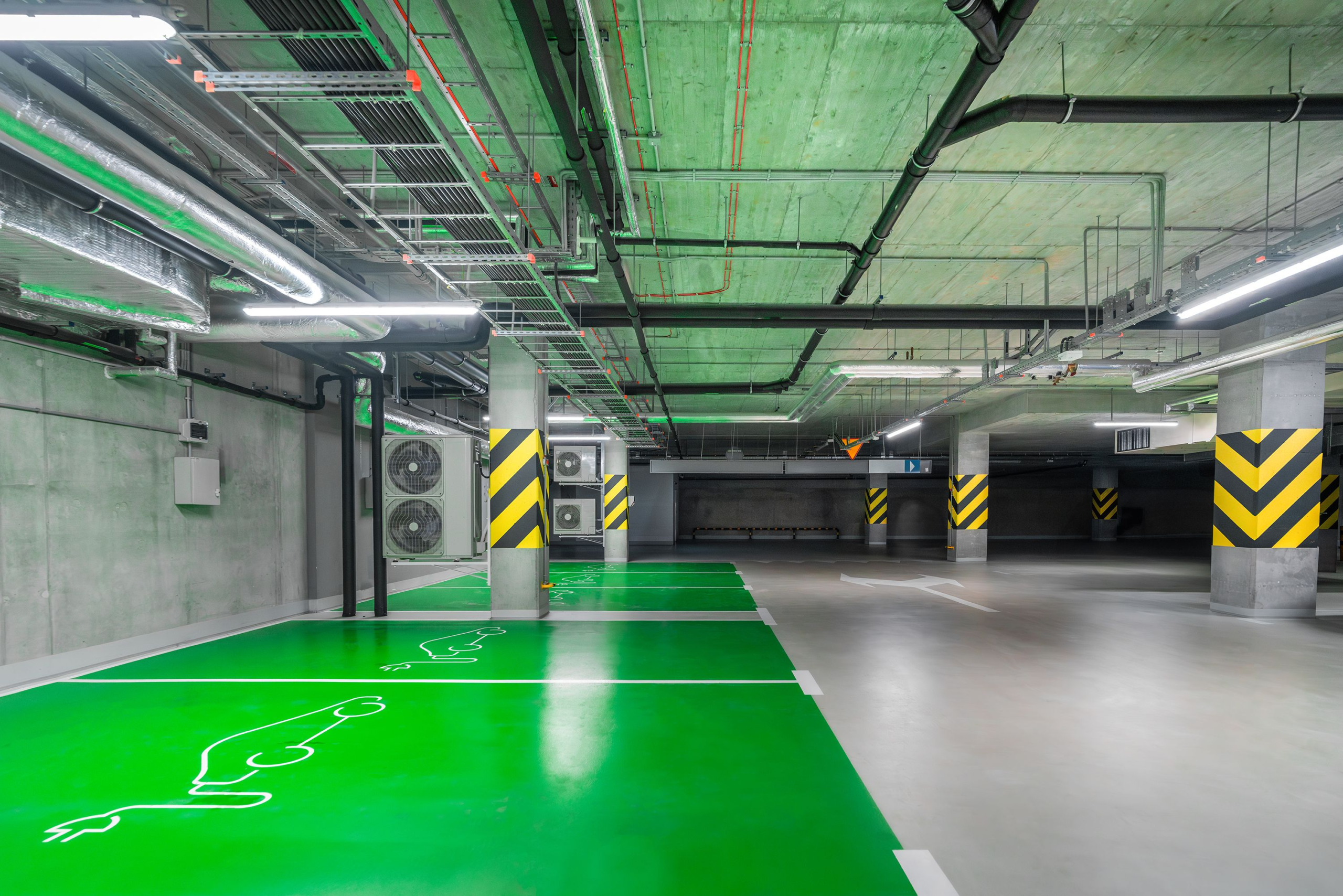
The former office building had been vacant since the pandemic and was demolished in 2024, leaving a brownfield site in a prominent location close to Norwich Bus Station. Victoria Gardens is being positioned as the city’s first major build-to-rent scheme, with long-term professional management, cycle storage, electric vehicle charging, car club provision, and new planting forming part of the proposals.
The scheme includes an initial 10% affordable housing commitment, with the potential for that proportion to increase if the development outperforms its viability assumptions. That approach reflects the wider balancing act facing urban residential projects, where planning expectations, construction inflation, finance costs, and market rents all shape what can be delivered.
Large-scale rental housing is increasingly being used to unlock urban sites that may not work easily under a conventional for-sale model. The sector has also been drawing more institutional attention, including through the National Housing Bank-backed Starlight rental fund, which is aimed at expanding professionally managed rental supply across the UK.
For contractors and consultants, Victoria Gardens brings a broad technical brief. Residential density has to be balanced with daylight, fire safety, acoustics, servicing, energy performance, amenity, access, and public-realm quality. The commercial and incubator space broadens the operational requirements, while the townhouses and stepped blocks create a more varied construction and envelope strategy than a single monolithic residential block.
The brownfield location also shapes delivery. Regional city centres are under pressure to repurpose vacant or redundant sites, support footfall, and add homes without pushing development onto greenfield land. That creates opportunity, but it also brings access restrictions, demolition legacy issues, neighbouring uses, constrained logistics, utilities interfaces, and local sensitivity around height, massing, traffic, and disruption.
Build-to-rent still has more depth in London, Manchester, Birmingham, Leeds, and other larger metropolitan markets than in smaller regional cities. Norwich therefore gives the model a useful test beyond the most mature locations, particularly where investors, planners, and residents will be watching how well professional management, public realm, and long-term maintenance translate into neighbourhood value.
The consent moves Victoria Gardens from proposal to delivery challenge. Its success will depend on whether the project can convert a stranded office site into a managed residential quarter that supports the city centre, meets local housing need, and provides a construction model that works commercially outside the country’s most established build-to-rent markets.