IN Brief:
- Global Crane Services is investing in two Liebherr LTM 1250-5.1 mobile cranes.
- Both units will be fitted with bespoke elevated cabs for improved visibility.
- The new cranes are intended for quayside work, renewable energy infrastructure, and construction activity.
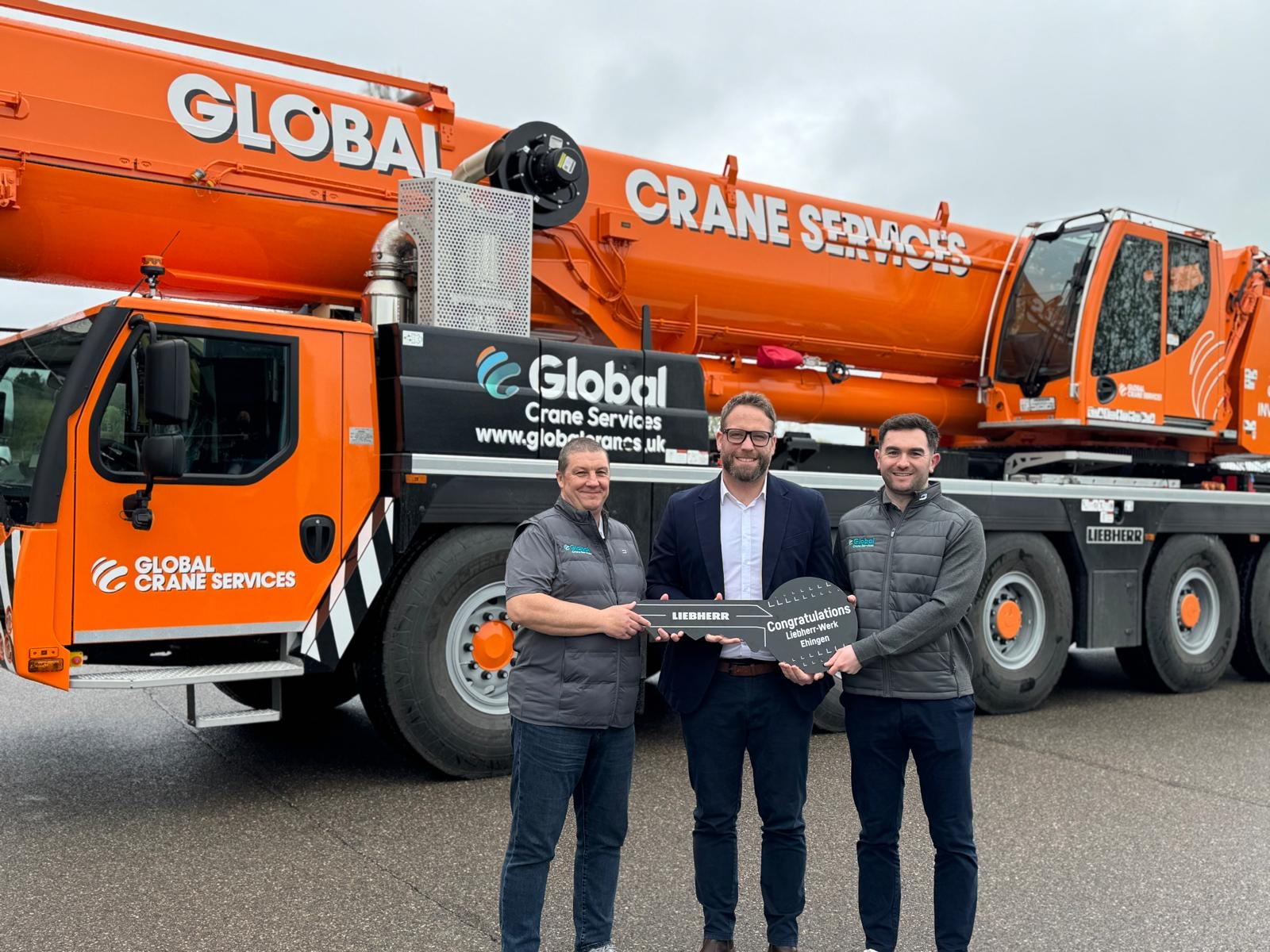
Global Crane Services is adding two new Liebherr LTM 1250-5.1 mobile cranes to its fleet, with both machines fitted with bespoke elevated operating cabs intended for quayside, renewable energy, and wider construction use. The first crane is due to arrive at the company’s Aberdeen base in late April, with the second following in June.
The LTM 1250-5.1 is a 250-tonne all-terrain crane built on a five-axle carrier, with a 60m telescopic boom and the flexibility to take additional boom equipment where jobs require greater height or reach. In standard form it is already a widely used machine in heavy lifting, infrastructure, and industrial work. The elevated-cab specification adds a more specialist operating advantage, giving the operator a clearer line of sight into the work zone where load visibility is restricted at ground-level cab height.
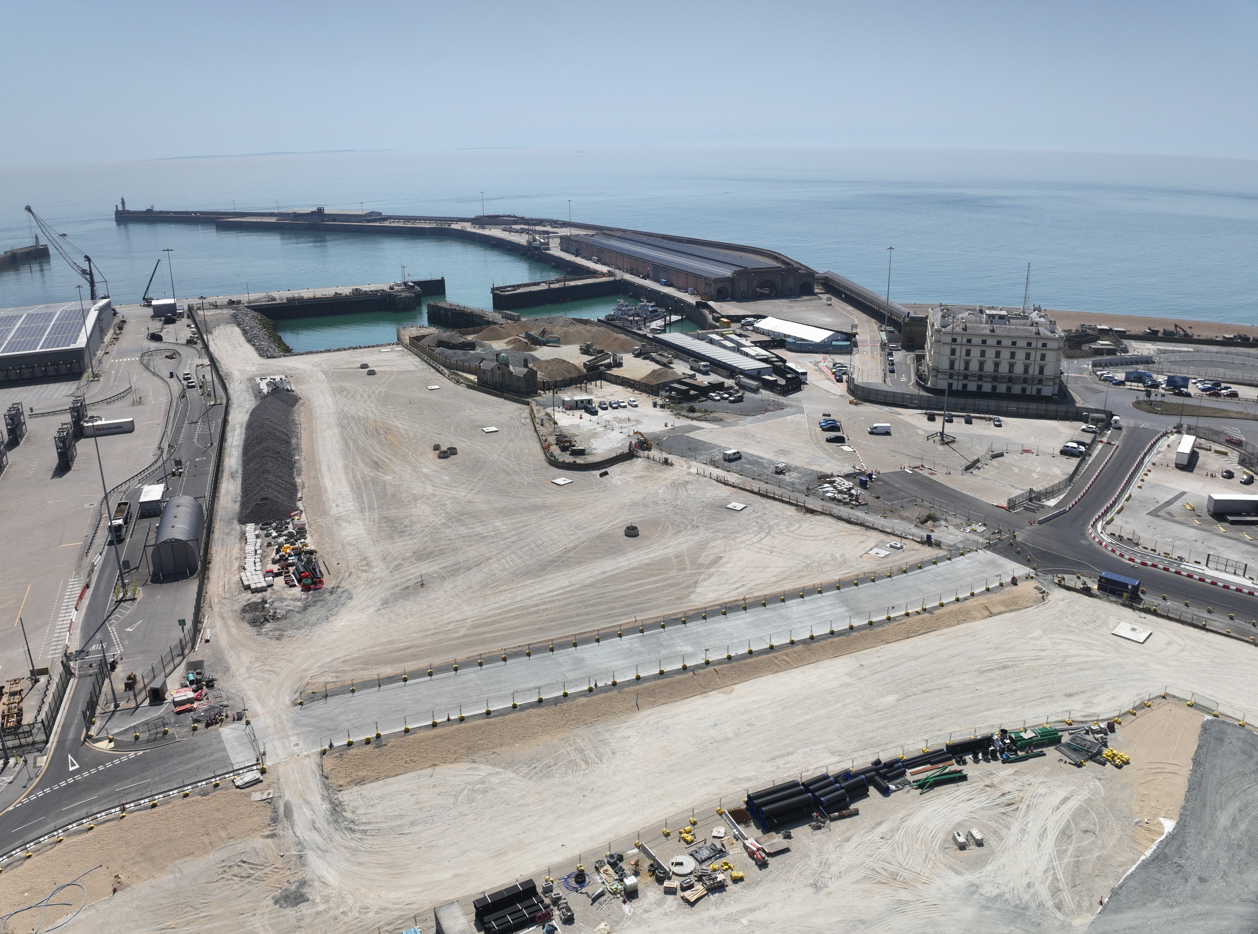
That makes the configuration particularly suited to quayside and port-side work, where vessel interfaces, stacked materials, uneven working geometry, and restricted sightlines can complicate lifting operations. Better operator visibility improves control during positioning and slewing, especially where precision and awareness are critical. It also broadens the range of jobs for which the crane can be deployed without moving into a much heavier or more specialised class of equipment.
Global Crane Services expects the machines to work across more than one sector. Alongside port activity, the company has identified renewable energy infrastructure and construction scopes as likely areas of deployment. That reflects a market in which lifting specialists are increasingly looking for equipment that can move between projects with minimal compromise, rather than tying high-value assets too closely to a single application. A machine that can serve marine, civils, and energy-related work from the same fleet position is a more efficient commercial proposition than a narrowly defined specialist purchase.
The company already has a broad fleet base, with around 70 cranes operating from depots in Aberdeen, Glasgow, Invergordon, and Dunloy. Its capacity range stretches from 40 tonnes to 750 tonnes, covering mobile, strut-jib, and crawler cranes, while its wider group links bring it into contact with onshore and offshore wind work as well as energy and infrastructure packages more broadly. The new Liebherr additions therefore sit within an established fleet strategy rather than as a one-off expansion.
Crane investment has become more selective in recent years, with buyers placing greater emphasis on specification and deployment range than on simple fleet growth. Modern lifting businesses are under pressure to keep utilisation high while meeting tighter expectations around safety, job planning, and operating performance. That has encouraged investment in machines that can handle more technically demanding work without sacrificing mobility or creating unnecessary setup burdens.
Ports, renewables, and infrastructure remain among the clearer sources of lifting demand in the current market, particularly in Scotland and the north of the UK, where energy-related work and marine support activity continue to support specialist crane use. Fleet decisions are being shaped less by optimism in the abstract than by the practical question of where equipment can be placed consistently, safely, and profitably. The LTM 1250-5.1, especially in elevated-cab form, fits that requirement well.
For Global Crane Services, the order strengthens its position in jobs where visibility, flexibility, and transportability are central to the value of the crane. In a market that continues to reward specialist capability with broad deployment potential, that is a sensible place to invest.