IN Brief:
- Read Construction is delivering demolition, remediation, site levelling and a new access route at the former Peboc chemical works.
- Outline consent covers seven business units providing more than 5,200m² of employment space on the site.
- The wider Freeport Gateway programme combines public enabling investment with future private development across Peboc and Tregarnedd.
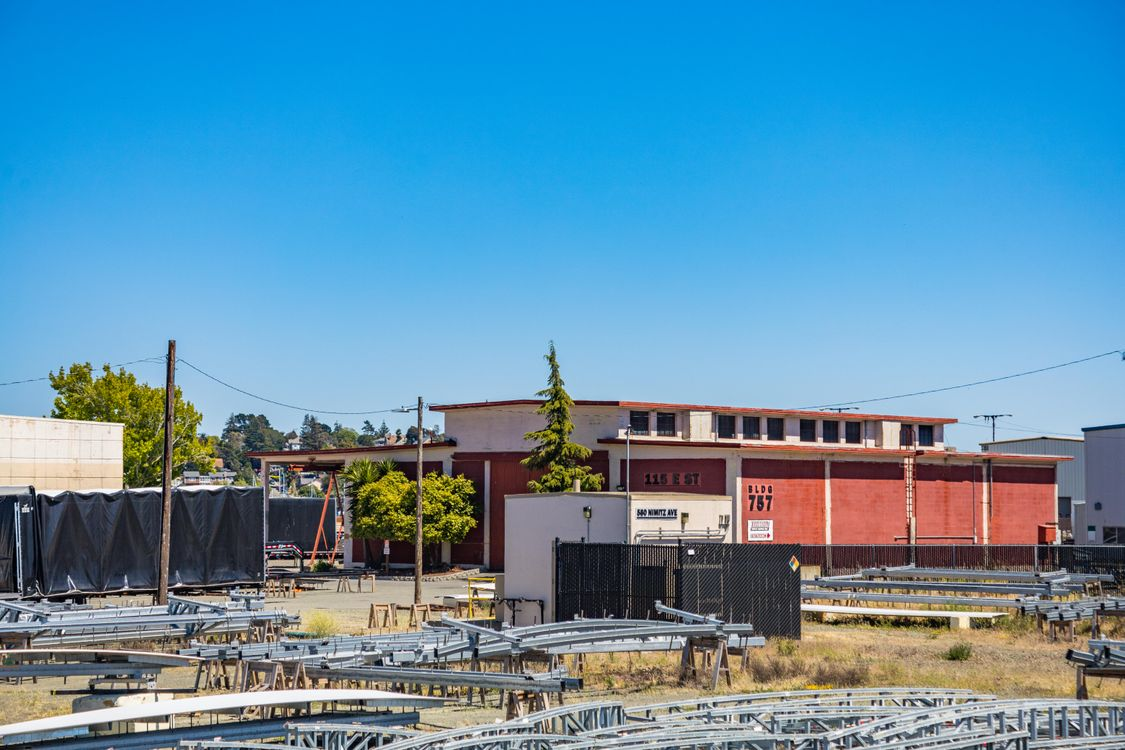
Read Construction has started enabling works at the former Eastman Peboc chemical works in Llangefni, beginning a remediation programme intended to convert one of Anglesey’s most prominent brownfield sites into serviced land for new employment development.
The Isle of Anglesey County Council acquired the eight-acre site earlier in 2026 after years of disuse following closure of the chemical works in 2008. The current package covers remediation, clearance and demolition of the remaining structures, together with construction of a new access route through Tregarnedd Industrial Estate.
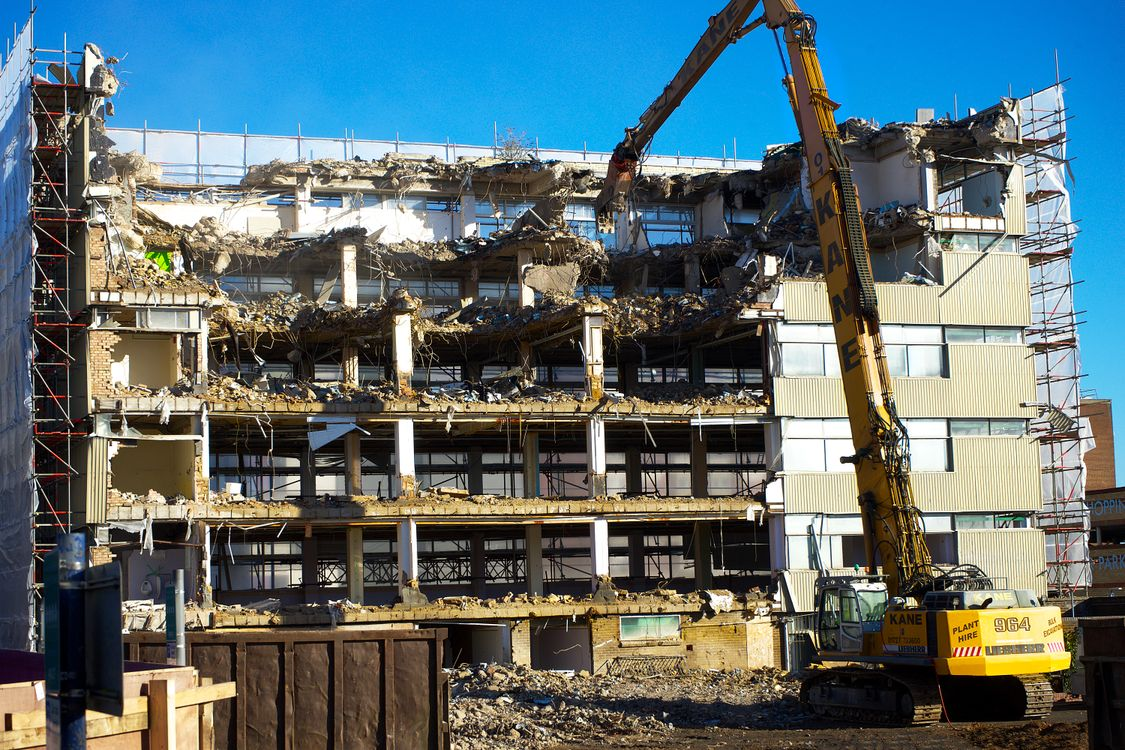
Read Construction’s immediate contract includes demolition of the former Peboc buildings, construction of the access road and levelling works on Plot 3. The award is valued at about £1.39m, with the procurement programme running from September 2026 into May 2027.
Outline planning permission has already been secured for seven business units on the former chemical works, providing more than 5,200m² of employment space. Council estimates indicate that the development could support around 140 full-time equivalent jobs once the plots are built out and occupied.
The site also forms part of the wider Freeport Gateway project, which includes additional land at Tregarnedd Industrial Park. The broader £19.1m programme is intended to create up to 6,700m² of business accommodation across the combined area, with capacity for as many as 223 jobs.
Public funding is concentrated on making the land ready for subsequent development rather than constructing every future building. The programme includes £3.48m of Growth Deal funding and £4m through Anglesey Freeport Seed Capital, supporting acquisition, remediation, infrastructure and serviced plots before later private investment.
That sequencing places much of the early construction risk with the enabling package. A former chemical site can carry liabilities around contaminated ground, obsolete structures, buried infrastructure and waste classification long before a new commercial building reaches foundation level. Demolition has to be coordinated with the remediation strategy so that material is removed, treated or retained without spreading contaminants into areas already made safe.
Ground conditions will also influence how later plots are prepared. Contaminated soils and made ground may require excavation, treatment, capping or controlled reuse according to the findings of site investigation and validation work. The completed enabling phase therefore needs to produce both physically usable plots and an evidence trail demonstrating that the remediation objectives have been achieved.
The new access route through Tregarnedd Industrial Estate is another central part of the scheme. Future construction traffic, servicing vehicles and occupiers require an industrial access arrangement suited to the intended use of the site rather than the layout inherited from the former chemical works.
Preparing that connection alongside the demolition and earthworks allows later building phases to start against a more conventional development platform. Developers can assess serviced plots with known access and remediation conditions rather than pricing every abnormal cost into an individual building proposal.
Brownfield development frequently turns on those early costs. Existing structures, contamination, drainage, utilities and abnormal foundations can weaken the economics of otherwise well-located land, particularly where a speculative developer would have to fund the entire clean-up before securing an occupier.
The public investment at Peboc is intended to absorb part of that burden and create a cleaner boundary between enabling work and vertical construction. Once the site is cleared, remediated and serviced, private investors can concentrate on the design, funding and occupation of the business units rather than the legacy of the former industrial use.
The site also sits within the Anglesey Freeport Central Tax Site, providing a separate incentive for qualifying development and business investment. Those fiscal measures depend on the land being capable of supporting construction, making the physical enabling programme a necessary counterpart to the Freeport designation.
The wider site programme extends beyond Read Construction’s initial contract and into 2028. Completion of demolition and access works will therefore mark the end of the first major construction phase rather than completion of the regeneration itself.
The next stages will depend on whether the prepared plots attract the private investment anticipated in the business case. For now, the former chemical works has moved from acquisition and planning into physical remediation, replacing derelict industrial fabric with the infrastructure needed for the next round of construction.