IN Brief:
- De Werkvennootschap has named R0Q preferred bidder for the R0 North Zaventem DBFM project.
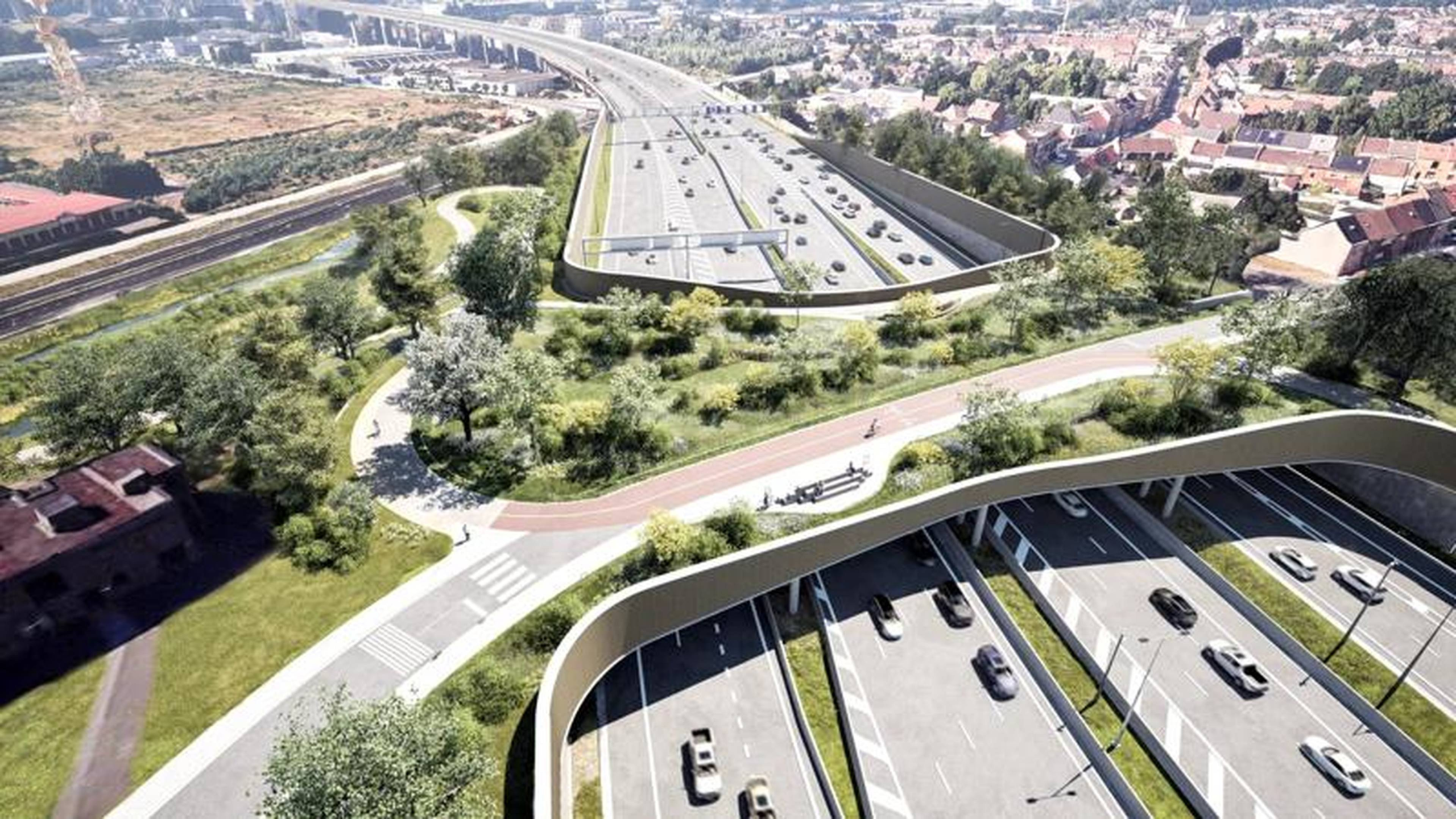
- The scope includes 7km of motorway, more than 70 bridges and tunnels, 6km of cycle infrastructure and 7km of footpaths.
- R0Q would design, build and finance the project before maintaining the completed infrastructure for 30 years.
R0Q consortium has been named preferred bidder for a major design, build, finance and maintain programme on the northern section of the Brussels Ring in Belgium.
The consortium combines BESIX, Jan De Nul, Stadsbader and Willemen with investment partner I4B. Client De Werkvennootschap has selected the group for the R0 North Zaventem Zone programme between the Vilvoorde viaduct and the E40 interchange at Sint-Stevens-Woluwe.
The project includes renewal of around seven kilometres of motorway and construction of a parallel structure intended to separate through traffic from local movements. Its scope also covers six kilometres of cycle infrastructure, seven kilometres of new pedestrian routes and more than 70 bridges and tunnels.
Additional water-retention capacity, noise barriers and green structures form part of the programme. Those elements place drainage, environmental mitigation and connections with surrounding communities alongside the core road and structural engineering work.
R0Q would design, construct and finance the project before maintaining the completed infrastructure for 30 years. The consortium has not yet begun construction: preferred bidder status starts a further development phase with De Werkvennootschap before works are launched.
That period gives the parties time to develop the delivery approach for a corridor carrying live motorway traffic while accommodating a large number of structures and new transport links. Traffic management, temporary alignments, structures, drainage, utilities and construction access will all have to be coordinated within the final programme.
The new parallel structure is intended to separate local and through traffic, meaning the project changes the operation of the corridor rather than simply resurfacing or widening the existing motorway. Junction interfaces and traffic movements have to be considered alongside the physical sequence needed to create new infrastructure beside an operational road.
The number of bridges and tunnels makes structural sequencing a substantial part of the job. Individual crossings will have different interfaces with local roads, paths, utilities and surrounding land, even where common design principles can be repeated across the programme.
Maintaining motorway capacity during construction is likely to shape the temporary works strategy. New sections may have to be created alongside existing traffic before vehicles can be transferred and older infrastructure altered, while closures or restricted working periods will need to be concentrated around activities that cannot be completed safely under live conditions.
The DBFM model adds a further discipline to those design choices. Because the consortium would retain maintenance responsibility for 30 years, decisions made during design and construction carry consequences well beyond completion of the works.
Access for inspection, drainage maintenance, pavement durability and replacement of components become part of the long-term commercial position rather than problems passed immediately to another organisation. The structure of the contract therefore creates an incentive to consider whole-life intervention alongside initial construction cost.
The cycle and pedestrian infrastructure also has to be delivered as part of the corridor rather than fitted around the motorway after the main works. Six kilometres of cycle routes and seven kilometres of footpaths will require connections, crossings and separation from road traffic to function as a continuous network.
Water management is similarly integrated. Additional retention capacity has been included within the project, requiring drainage design to work with earthworks, landscape and motorway geometry rather than depending only on conventional pipe networks moving runoff away from the road.
Noise barriers and green structures create further interfaces with the civil engineering. Foundations, access for maintenance and landscape establishment need to be coordinated with the road works, while the completed assets have to remain compatible with visibility, drainage and safety requirements.
The scale of the programme also produces a substantial supply chain requirement. Earthworks, concrete, structural steel, road surfacing, waterproofing, drainage, utilities, traffic systems and landscaping will all need to be procured and sequenced around the same operating corridor.
R0Q’s membership spreads that workload across contractors with experience in major civil engineering and infrastructure delivery. The preferred bidder phase now gives the consortium and client an opportunity to refine how those responsibilities are divided before the project reaches construction.
No construction start date or final contract value is stated in the 23 September preferred-bidder announcement, so neither should be inferred from the scale of the scope. The current milestone is commercial selection for the next development phase rather than financial close or commencement of works.
That distinction leaves substantial work ahead, but it also narrows the project to a named delivery consortium. R0Q now has to convert the broad DBFM requirements into a buildable programme capable of renewing the motorway, adding new structures and active travel routes, managing water and noise, and remaining maintainable through three decades of operation.