IN Brief:
- Panattoni has started construction on a 462,000 sq ft speculative logistics and manufacturing scheme in Worksop.
- The building will target BREEAM Outstanding, EPC A, and net zero carbon in construction.
- The project includes 18m clear height, 43 dock doors, 48 EV charging points, and five acres of expansion land.
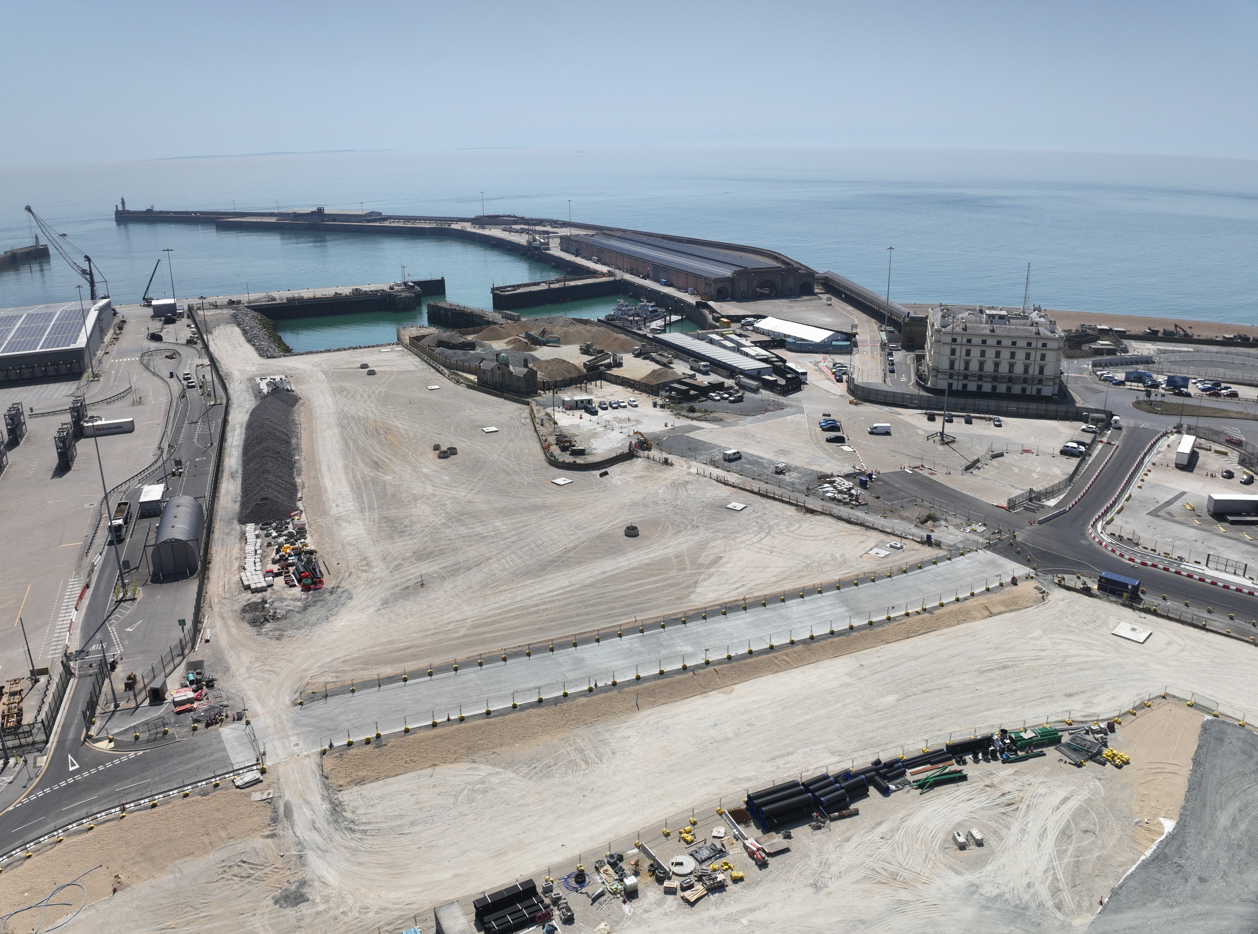
Panattoni has started construction on Panattoni Worksop 460, a 462,000 sq ft speculative logistics and manufacturing development at Manton Wood Distribution Park in Nottinghamshire.
The scheme is scheduled for completion in the first quarter of 2027 and is being developed for occupiers requiring large-format space with strong road access, labour availability, and sustainability credentials. Worksop provides access to the A1(M), M1, M18, and wider distribution routes serving the Midlands, Yorkshire, and the North East.
The development will provide 441,699 sq ft of warehouse accommodation, with Grade A office space across ground and two upper floors. The building specification includes an 18m clear internal height, 43 dock doors including eight Euro dock doors, four level access doors, a 55m yard depth, 386 car parking spaces, and 48 EV charging points.
Five acres of adjacent land are also included for future occupier use, allowing for expansion, HGV parking, or external storage. That flexibility gives the building a wider operational range than its internal floor area alone suggests, particularly for occupiers with fleet, automation, manufacturing, or high-throughput logistics requirements.
The project will target BREEAM Outstanding, EPC A, and net zero carbon in construction. Measures include roof-mounted photovoltaic systems, EV charging, rainwater harvesting, energy-efficient lighting, high insulation and airtightness standards, cycle parking, sub-metering, and water-saving fixtures.
Panattoni’s start on site follows continued activity across the logistics and industrial development market, where speculative construction has become more selective rather than disappearing. Its planned 500,000 sq ft Wakefield logistics scheme is being brought forward with similar sustainability targets, including BREEAM Outstanding and net zero carbon in construction. The two projects show how major industrial developers are concentrating on locations where road access, labour, energy performance, and future occupier flexibility can all support leasing demand.
The market has moved beyond the simpler e-commerce expansion cycle that dominated much of the previous decade. Occupiers still require floor area and access to strategic roads, but power capacity, yard depth, automation readiness, expansion space, grid resilience, and sustainability certification now influence building selection more heavily. A large warehouse that cannot support electrified fleets, automation systems, or energy reporting may struggle to hold value as operational requirements change.
That shift affects construction strategy from the earliest design stages. Slab performance, roof loading, fire engineering, dock configuration, column grids, drainage, M&E provision, metering, and fit-out routes all need to be coordinated before an occupier is known. A speculative building has to remain flexible enough for multiple users while still offering the technical depth expected from a modern logistics asset.
Worksop’s established distribution base strengthens the commercial case. The area already supports major logistics operations, giving the development access to an experienced labour pool and related service infrastructure. Developers are increasingly looking to regional nodes that offer more affordable land, credible workforce access, and room for occupier expansion, rather than relying only on the most constrained prime logistics corridors.
Large logistics construction is also becoming more closely tied to automation and network redesign. The £340m M&S automated Daventry distribution build demonstrates how occupiers are investing in facilities that combine building scale with technical systems, energy planning, and long-term operational change. Worksop 460 is speculative rather than build-to-suit, but it is being delivered into the same structural shift.
For contractors and suppliers, the project adds another major industrial build to a pipeline where carbon performance and specification are increasingly part of the baseline. Speed still counts, but large sheds now have to carry the power, materials, flexibility, and environmental credentials needed for the next generation of logistics and manufacturing operations.