IN Brief:
- Willmott Dixon, BAM, McLaughlin & Harvey, MSCI, Galliford Try and Mace have joined Oxford Inspire's major-project panel.
- Lot 2 covers schemes worth more than £15m, with a framework ceiling of £1.6bn across eight years.
- A separate £500,000–£15m lot has six contractors and two reserve suppliers.
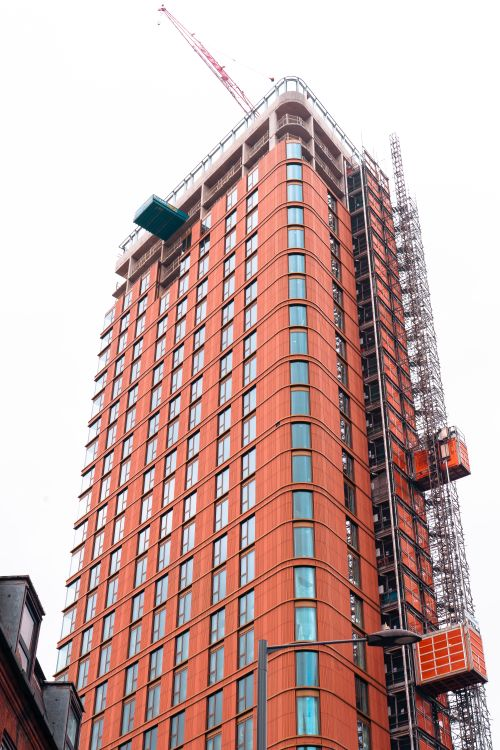
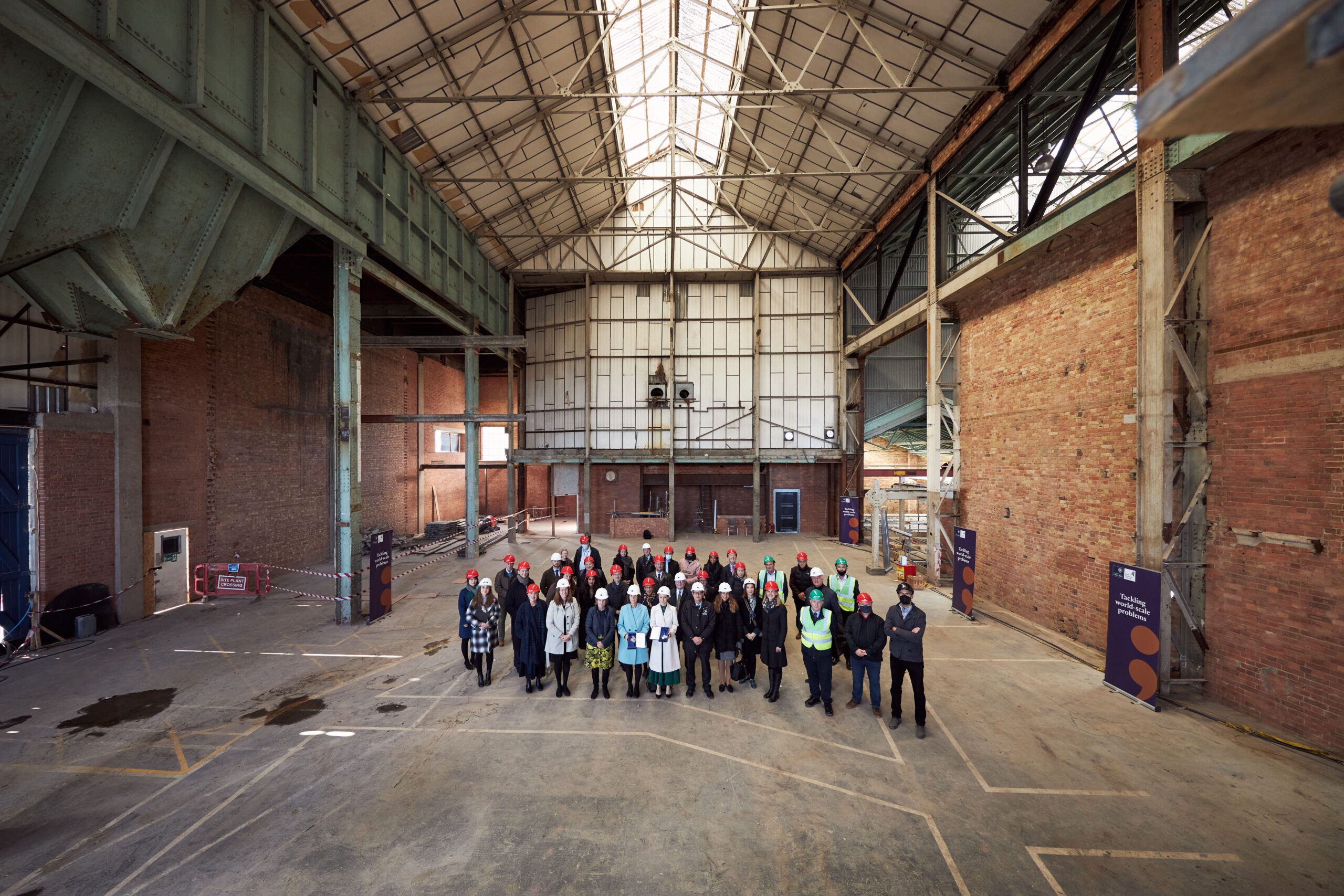
The University of Oxford has selected six contractors for the lot covering major projects within its new Oxford Inspire construction framework, establishing a panel for building and refurbishment schemes valued above £15 million. The appointment covers Willmott Dixon, BAM, McLaughlin & Harvey, MSCI, Galliford Try and Mace, with Wates and Kier named as reserves. The lot carries a maximum advertised value of £1.6 billion over eight years, although individual projects and their contract values will be determined separately.
Introduced in October 2026, Oxford Inspire provides the University with a continuing procurement route for estate construction and refurbishment, dividing projects from £500,000 upwards into two value bands. The panels are intended to bring contractors into development planning while Oxford renews buildings, expands academic facilities and pursues energy performance improvements. The £1.6 billion figure sets the maximum value of the lot for major projects over eight years, rather than committing that expenditure or allocating it among the appointed businesses.
Smaller construction and refurbishment schemes, valued from £500,000 to £15 million, will be handled through Lot 1, where Beard, MSCI, Stepnell, Kier, GTH and BSN have been selected, with Wates and Graham as reserves. Separating these commissions from the larger projects gives Oxford different groups of potential suppliers while retaining a framework approach. A refurbishment below £15 million can nevertheless involve complex access and building services interfaces, particularly when departments remain occupied.
Under Lot 2, Oxford intends contractors to contribute while design and programme decisions can still be adjusted, allowing buildability and the sequence of works to influence proposals before they are fixed. That involvement may help project teams coordinate temporary access, deliveries and connections to existing services without interrupting teaching or research. Each scheme will still require decisions on its own scope and delivery method, including how the construction site can be accommodated within a functioning university campus.
The need for that early coordination follows from the variety of Oxford’s buildings, which include historic accommodation as well as modern research and teaching facilities. Retaining the fabric of an older structure can limit where new ventilation or electrical systems pass through floors and walls, whereas new construction requires foundations, structural members and services to be designed together. Contractors can contribute practical installation and sequencing information, although the framework does not impose the same solution on every building.
The appointed companies will use a shared digital environment for cost, programme and risk information, allowing design and delivery teams to coordinate changes across successive university projects. A change to a ventilation riser, for instance, can affect room layouts, structural openings and the order in which other services are installed; coordinated records make those relationships easier for the project team to manage. The university plans to connect the approach to its evolving digital estate systems but has not identified a mandatory software product or stated that every project dataset is already integrated.
As Oxford pursues decarbonisation through historic refurbishment and new construction, the information exchanged with contractors will need to reflect different opportunities to improve building energy performance. Historic buildings may limit the extent of insulation changes or new ventilation routes, while new projects can coordinate the envelope, building services and energy strategy from the initial design. Oxford’s approach must accommodate those differing conditions as well as decisions about how much existing material to retain and how installed systems will perform in operation.
Oxford’s Global Health Building at Old Road Campus, completed in 2026 with an envelope designed around Passivhaus principles, illustrates the specialist construction requirements found on the university estate. The facility was delivered before Oxford Inspire was introduced and belongs to an earlier procurement arrangement. Its complex building services and the need to work beside occupied research facilities nevertheless indicate the kinds of constraints contractors may encounter in later commissions, without identifying any project already awarded through the new panels.
The physical constraints of an occupied university estate can affect both the major projects allocated to Lot 2 and smaller works procured through Lot 1. A laboratory extension may require staged service installation and space for specialist equipment, while the adaptation of occupied teaching rooms can demand restricted working periods and temporary access arrangements. The panels provide potential suppliers for such work, but project budgets, building control requirements and the individual procurement process must be established before construction proceeds.
Further Oxford Inspire frameworks are planned for other areas of the university’s estate management, extending the procurement approach beyond these construction services panels. For now, the six Lot 2 contractors and the separate Lot 1 suppliers have been appointed, with the volume and sequence of future work dependent on university investment decisions. Individual call-off contracts, their timing and the allocation of expenditure among suppliers have yet to be announced.