IN Brief:
- Heidelberg Materials has agreed to acquire 106 aggregates sites and 44 asphalt plants from NCC in Sweden and Norway.
- The transaction has an enterprise value of approximately SEK5.5 billion on a cash and debt free basis.
- Heidelberg Materials will enter the asphalt market in the region while expanding its aggregates capacity, subject to regulatory approval.
Heidelberg Materials has agreed to acquire NCC’s aggregates and asphalt operations in Sweden and Norway, adding 106 aggregates sites and 44 asphalt plants to its Nordic building materials network.
The transaction has an enterprise value of approximately SEK5.5 billion on a cash and debt free basis. Completion remains subject to approval from the relevant authorities, so the assets continue to operate under NCC until the required regulatory process is complete.
The acquisition will move Heidelberg Materials into asphalt production in Sweden and Norway while increasing its existing aggregates capacity. The company already operates in cement, aggregates, concrete and precast products across the region, so the NCC sites will broaden the range of materials produced within its network.
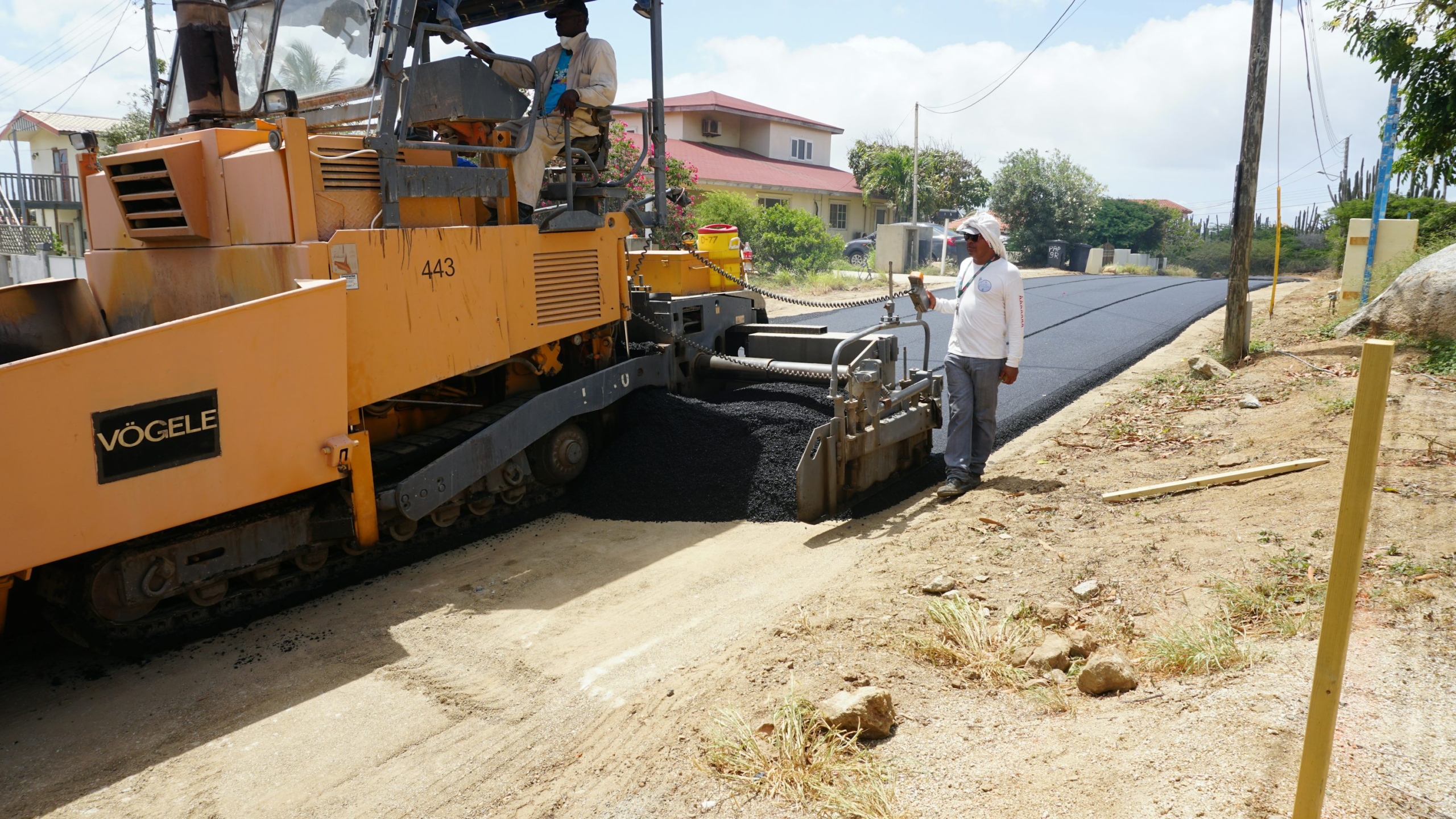
Aggregates form the mineral component of asphalt, concrete and many other construction products. Asphalt plants heat and combine graded aggregates with bituminous binder to produce material used in road construction and maintenance, creating a direct operational relationship between quarry capacity and asphalt manufacturing.
That relationship is strongly affected by geography. Aggregates are heavy relative to their value, so moving them long distances increases transport cost quickly. Asphalt also has to reach paving operations while it remains within the temperature range required for placement and compaction.
A network of production sites close to road and infrastructure projects can therefore be more useful than the same nominal capacity concentrated in a small number of locations. The 150 sites being acquired give Heidelberg Materials a wider physical presence across Sweden and Norway rather than simply adding production volume at its existing facilities.
NCC’s aggregates operations also include substantial mineral reserves. Quarry reserves influence the useful life of a site because continued production depends on the amount and quality of extractable material available within the permitted area.
Extraction is only the first stage of the aggregates process. Rock must be drilled or excavated, crushed, screened and separated into sizes suitable for different applications. Asphalt plants then use selected grades according to the mixture required for each pavement layer and performance specification.
Road construction can require several asphalt mixtures within one pavement. Base, binder and surface layers perform different functions, so aggregate grading, binder content and production controls vary according to the material being laid.
Plant location also influences the number of projects a producer can serve efficiently during a paving season. Transport time, traffic conditions and the distance between plant and site affect both cost and the condition of the material when it reaches the paving crew.
Heidelberg Materials expects infrastructure demand in Sweden and Norway to support growth in the acquired operations. Roads, rail projects and other civil engineering works consume aggregates directly as well as through concrete and asphalt, while maintenance programmes create recurring demand for surfacing materials after the original construction phase has ended.
The deal forms part of NCC’s disposal of its wider Industry business. NCC is selling the Swedish and Norwegian operations to Heidelberg Materials and its Danish and Finnish activities to CRH, with a combined enterprise value of SEK8.2 billion for the Industry division.
NCC began reviewing the business in 2025 because its production model differs from the group’s construction contracting activities. Quarrying and asphalt production rely on fixed industrial assets and long term reserves, while contracting revenue is generated through individual construction projects.
Separating the materials business therefore changes NCC’s capital profile as well as its organisational structure. Heidelberg Materials, by contrast, is adding assets that fit an industrial model already built around permanent production sites and regional materials supply.
Regulatory approval remains a material condition because the transaction changes the ownership of a large network of aggregates and asphalt sites. The authorities will assess the proposed transfer before Heidelberg Materials can integrate the operations into its existing business.
NCC expects the wider Industry disposal to complete during the second half of 2027. Until then, the Swedish and Norwegian business remains part of NCC rather than Heidelberg Materials’ operating network.
If the acquisition completes, Heidelberg Materials will add 150 production locations and enter the regional asphalt market while strengthening its supply of aggregates. The construction effect lies in the location and reserves of those facilities, because heavy materials such as stone and asphalt are most competitive when production sits within practical transport distance of the projects consuming them.