IN Brief:
- Murphy reported 2025 revenue of £1.58bn and group operating profit of £86.1m.
- The company closed the year with £412.4m of net cash and a record £8.17bn order book.
- The results point to sustained demand across infrastructure, energy, transport, utilities, and asset renewal.
Murphy has reported a record order book of £8.17bn after increasing revenue and profit in its 2025 financial year.
The family-owned construction and infrastructure company reported revenue of £1.58bn, up 13%, and group operating profit of £86.1m, up 8%. Pre-tax profit rose to £102.4m, while net cash reached £412.4m at year end.
Published as Murphy marked its 75th anniversary, the figures also showed a larger workforce. The company increased employee numbers to 4,709 from 4,060 in the previous year and said 26.7% of employees were from under-represented groups.
Murphy has also reported progress on carbon reduction, with emissions down 57% against its 2019 baseline. The company plans to invest £75m over the next five years in plant, equipment, and vehicles, with environmental performance forming part of that programme.
The order book gives Murphy strong forward visibility in a market where infrastructure has remained more resilient than several building-led segments. Energy, transport, water, utilities, and asset renewal continue to attract public and regulated investment, even as contractors contend with inflation, labour shortages, risk transfer, and more selective procurement.
Balance sheet strength has become increasingly important across construction. A large order book is only valuable when paired with cash discipline, selective bidding, risk control, and delivery margin. Contractors have learned hard lessons from work secured at the wrong price, particularly where inflation, design changes, supply-chain failure, or delayed access can erode profitability over multi-year programmes.
Murphy’s results sit within a broader shift towards specialist infrastructure capability. Complex civil engineering, utilities, energy transition, rail, tunnelling, stations, water, and power-related work all require deep technical teams and established delivery systems. These markets carry risk, but they are supported by asset renewal, population growth, electrification, resilience, and regulatory commitments.
Major infrastructure delivery is also moving deeper into systems integration. At Hinkley Point C, the move into reactor fit-out has shown how large projects shift from visible civil structures into dense packages of mechanical, electrical, controls, safety, and commissioning work. Similar pressures are appearing across infrastructure, where contractors must manage interfaces rather than deliver isolated packages.
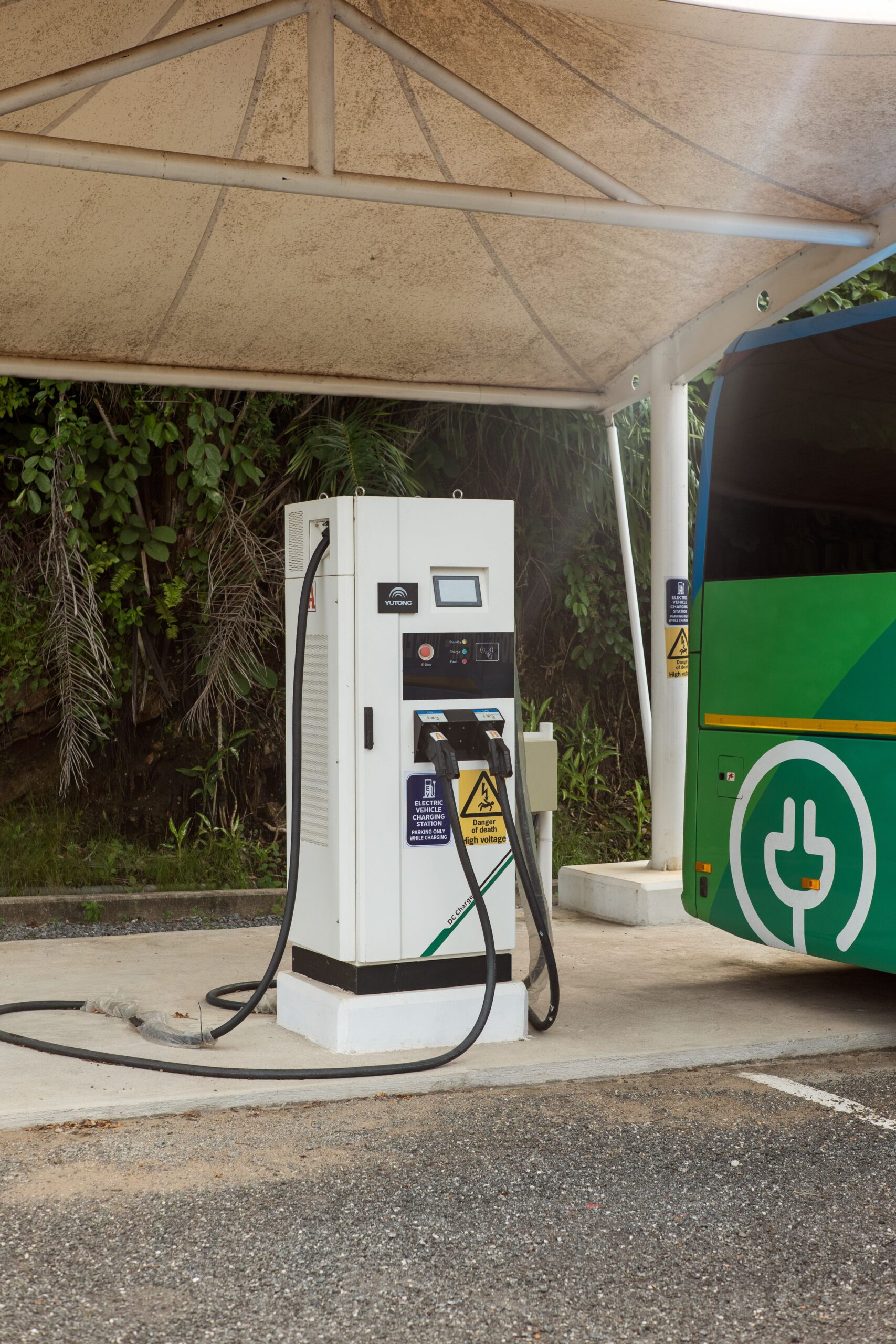
Murphy’s planned investment in plant and vehicles follows the same direction of travel. Construction fleets are under pressure from emissions targets, fuel costs, project carbon reporting, urban air-quality rules, and client expectations around lower-carbon delivery. Contractors with the financial capacity to modernise equipment may gain an advantage on frameworks where sustainability and operational resilience sit alongside price.
The company’s expansion into Australia through a 40% stake in Abergeldie also adds an international element to the business. Geographic diversification can reduce exposure to a single market, although it brings new procurement, delivery, and operational demands.
Murphy enters the next cycle with strong workload, cash reserves, and sector exposure. The company’s challenge will be converting that pipeline into controlled delivery while maintaining margin, managing resources, and keeping supply-chain performance aligned with a record order book.