IN Brief:
- Murphy Plant has added Kubota KX085-5 crawler excavators supplied by longstanding dealer Shellplant.
- Kubota specifies 8,467kg operating weight for the standard mono-boom configuration and a 46.5kW net diesel output.
- Shellplant will support equipment operation and servicing across Murphy Plant’s infrastructure and utility projects.
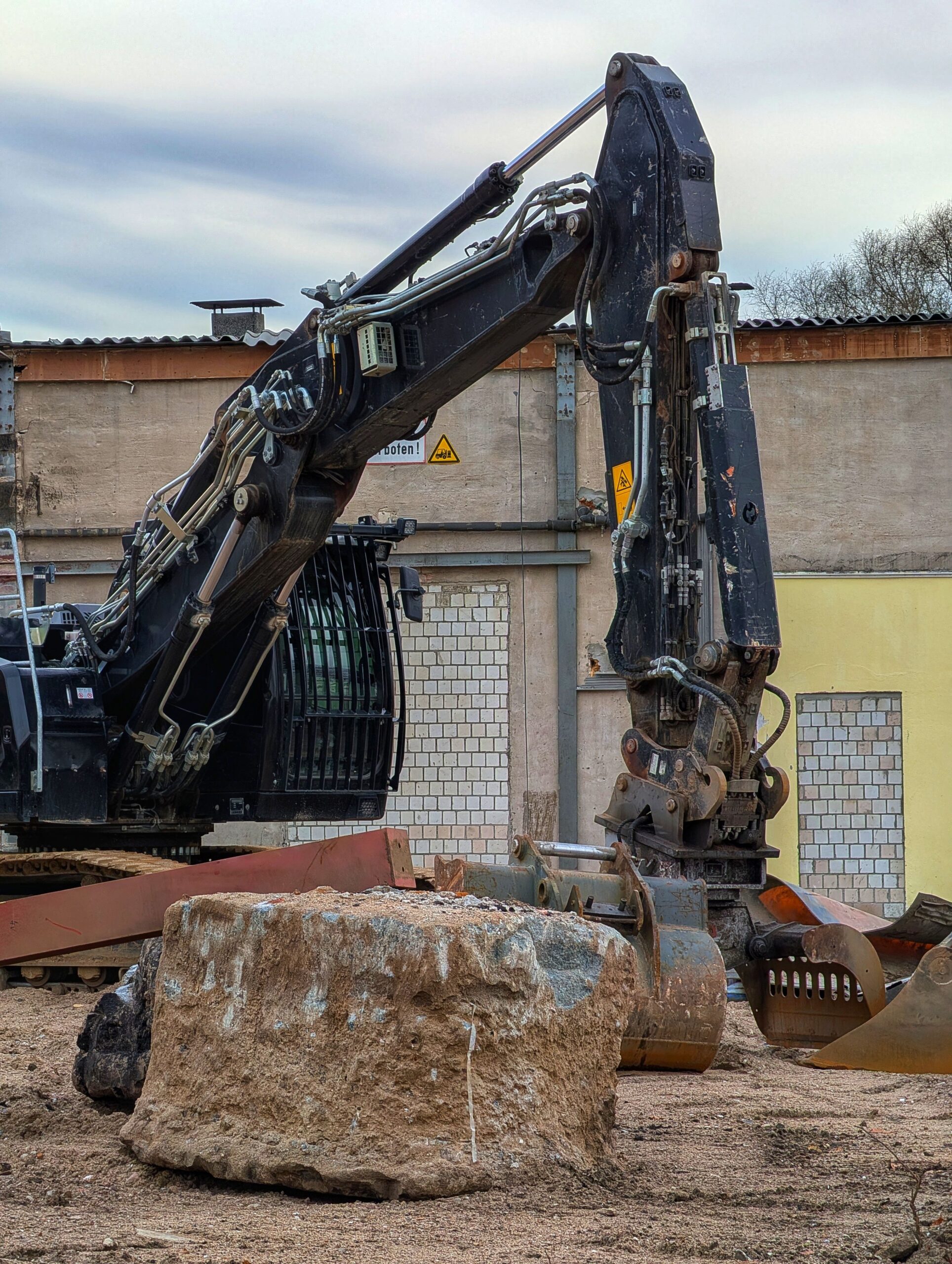
Murphy Plant has taken delivery of Kubota KX085-5 tracked excavators through dealer Shellplant as it expands equipment available to its construction, infrastructure and utilities projects. The new machines sit in the 8 tonne class and are intended for excavation tasks where a more compact footprint must be balanced against digging reach, lifting performance and the ability to operate attachments.
Shellplant has supplied equipment to Murphy for more than 30 years. Phillip Collier, asset manager at Murphy, identified transportability, versatility, operator familiarity, lifting performance and access to reliable support as factors in selecting the model. Murphy Plant manages the wider group’s equipment and transport requirements, with trade reporting putting its asset fleet at more than 23,000 items, from small tools through to specialist heavy plant.
The KX085-5 is offered in different boom arrangements, which affects both the machine’s working envelope and its mass. Kubota’s UK brochure specifies an operating weight of 8,467kg for the standard mono-boom version and 9,172kg for a two-piece boom version, using the manufacturer’s stated conditions. The announcement does not identify the configuration, attachments or operating weights of the individual machines delivered to Murphy.
Under the bonnet is Kubota’s four-cylinder V3307 diesel engine, rated at 46.5kW net output in its UK specifications and compliant with EU Stage V emissions requirements. The published engine specification establishes the model’s exhaust emissions classification; it does not provide a measured carbon saving for Murphy’s deployment. Actual fuel consumption depends on machine utilisation, operating load, idling and the tasks performed across sites.
Load-sensing hydraulics allow the pumps to respond to the flow and pressure required by the operating functions. An excavator often combines boom, dipper and bucket movement with slewing or travel, so hydraulic control affects how precisely the machine can complete a digging cycle while other circuits are active. Kubota also provides electronically controlled auxiliary hydraulic circuits for compatible tools, subject to their pressure and flow requirements.
Attachments can extend use beyond bucket excavation, but contractors must match the tool to machine stability, hydraulic capacity and ground conditions. Breakers and other equipment impose different loads from routine trench digging; approved couplers, inspection, lifting arrangements and operator training remain necessary. The ability to run several attachments is therefore a model capability, not evidence that every unit supplied in this order carries a particular tool.
The machine’s size may suit trenching, service excavations, drainage works and site preparation where larger earthmovers would restrict access. Digging depth and reach are dependent on boom and arm configuration, while lifting capacity changes with radius, height, track orientation and blade position. Kubota publishes separate lifting charts, and those charted limits, rather than a single headline figure, govern planning for a specific lifting operation.
Operator access and visibility also influence utilisation on mixed sites. The model has an enclosed cab with a digital display and rear-view camera, together with safety protection specified by the manufacturer. These features support machine operation but do not remove the need for task-specific exclusion zones, banksman arrangements where required, underground service surveys or suitable segregation from pedestrians and site traffic.
Murphy’s plant operation supplies machinery across work that can range from urban utility trenching to heavier engineering. Standardising part of the excavator fleet can simplify familiarisation and spares support, although selection still depends on access, ground bearing capacity, the excavation profile and lifting demands. The dealer’s ability to provide maintenance and replacement parts becomes particularly important where equipment moves frequently between sites and planned downtime must be controlled.
The additions also give Murphy Plant a further option for balancing directly owned machinery against the needs of individual sites. A medium excavator may be moved between short trenching tasks, utility installations and longer civil engineering activities, provided transport arrangements, attachment selection and machine inspections are planned for each change of duty. Shellplant’s established parts and maintenance support can help the fleet team manage servicing as the machines move through the project programme.
The newly delivered excavators will enter Murphy’s existing equipment management operation. Their eventual distribution will be determined by project needs and the company’s fleet planning, with deployment and maintenance supported through Shellplant. Specific performance or emissions outcomes would require operational records rather than the manufacturer’s general specifications. Murphy’s reported fleet scale makes machine availability and utilisation important operational measures: a suitable excavator must reach the site when programmed, operate within the planned lifting and excavation limits, and be maintained without unnecessarily delaying dependent groundworks. Those factors can influence equipment allocation as much as the model’s published digging performance.