IN Brief:
- Liverpool City Region has signed the first Place Delivery Agreement with Homes England and the National Housing Bank.
- Initial priorities include North Liverpool regeneration, Central Station Gateway and the wider housing pipeline.
- A Joint Delivery Unit will coordinate investment, technical expertise and project development across the programme.
Liverpool City Region Combined Authority has signed England’s first Place Delivery Agreement with Homes England and the National Housing Bank, creating a joint structure for major housing and regeneration programmes across the region.
The agreement establishes a Joint Delivery Unit staffed by the three organisations. Its remit includes building project pipelines, coordinating technical support, aligning investment and resolving barriers that prevent sites moving from planning and land assembly into infrastructure and construction.
It is not a single grant award or construction contract. Individual schemes will still require their own business cases, approvals, land arrangements and procurement, but the parties have agreed a framework through which those decisions can be coordinated rather than pursued through separate institutional processes.
North Liverpool and Central Station Gateway are identified among the first priorities. The proposed North Liverpool Mayoral Development Corporation covers an area with capacity for around 17,000 homes, while Central Station Gateway is associated with approximately 4,300 homes alongside commercial space, transport improvements and wider regeneration across about 86 acres.
The agreement also covers housing programmes across all six Liverpool City Region local authority areas. The Combined Authority has set an ambition for around 16,000 social, affordable and council homes between 2026 and 2036, with approximately £700m of indicative Social and Affordable Homes Programme investment forming part of that delivery context.
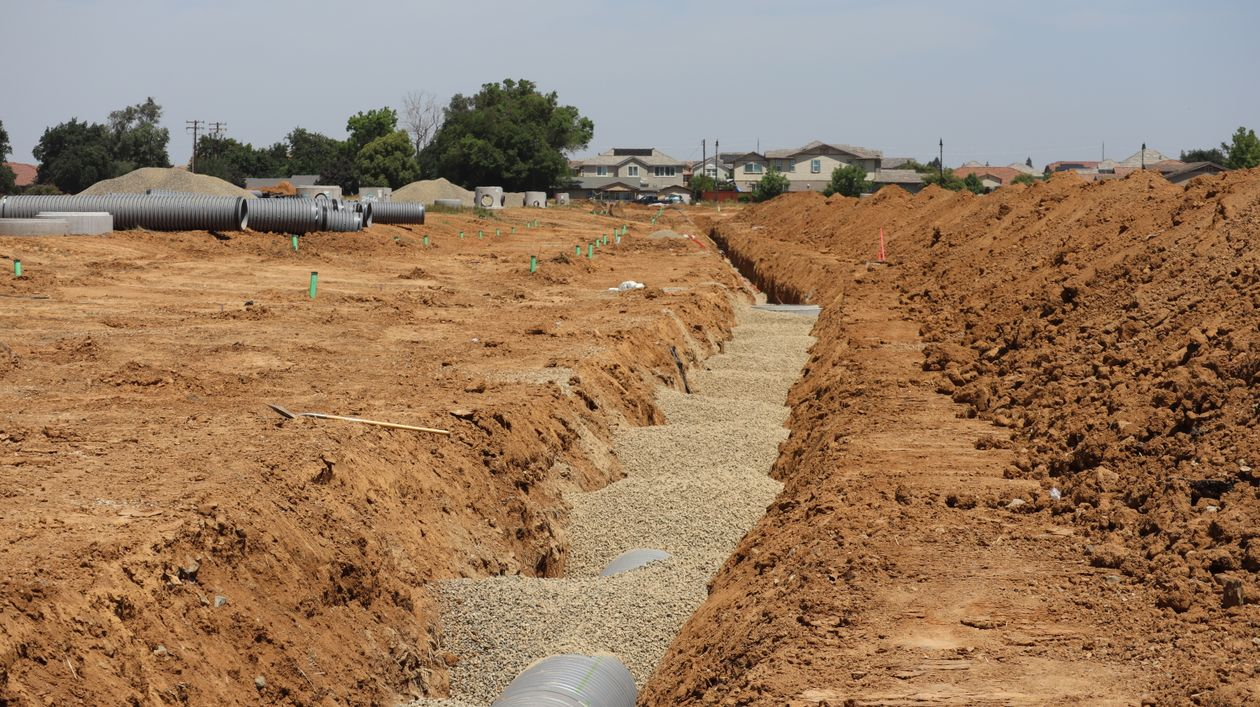
Large regeneration sites often stall before a main contractor is appointed because the early infrastructure and land costs cannot be supported by completed property values alone. Remediation, roads, utilities, drainage, land assembly and public realm can require substantial expenditure before the first residential or commercial building begins producing a return.
The Place Delivery Agreement identifies viability gaps, fragmented ownership, infrastructure requirements, abnormal costs and delivery capacity among the barriers it is intended to address. Bringing those issues into one programme allows investment decisions to be considered alongside the physical sequence needed to make a site buildable.
A housing parcel may, for example, depend on a new road or utility connection whose benefit extends across several later phases. Leaving each developer to fund only its immediate plot can make essential common infrastructure difficult to deliver, particularly where the first phases carry a disproportionate share of the cost.
Homes England brings land, housing and regeneration capability into the partnership, while the National Housing Bank adds access to debt, equity and guarantee products. The bank has up to £16bn of national investment capacity, although the Liverpool agreement does not reserve that sum for the city region.
Projects will still need to demonstrate that intervention is justified and that the proposed combination of public and private finance can support delivery. The agreement changes how those propositions are developed and assessed rather than removing the requirement for viable schemes.
The new structure builds on a Strategic Place Partnership agreed between Liverpool City Region and Homes England in 2024. The parties say that relationship has helped unlock more than £220m of investment, 2,043 affordable homes and capacity for more than 3,400 homes.
A separate £380m strategic partnership allocation has supported more than 3,100 social and affordable homes. The Place Delivery Agreement extends that relationship from funding and strategic alignment into a more formal joint delivery structure.
Nominated co-directors from the Combined Authority and Homes England will lead the Joint Delivery Unit, with senior sponsor meetings scheduled quarterly. The arrangement is intended to give project teams a route for escalating land, funding or infrastructure problems that cannot be resolved within individual schemes.
The governance structure becomes particularly relevant where several public bodies control different parts of a development programme. Planning, transport, land, grant funding and infrastructure may sit with different organisations, and a delay in one approval can prevent construction beginning even when the rest of a scheme is ready.
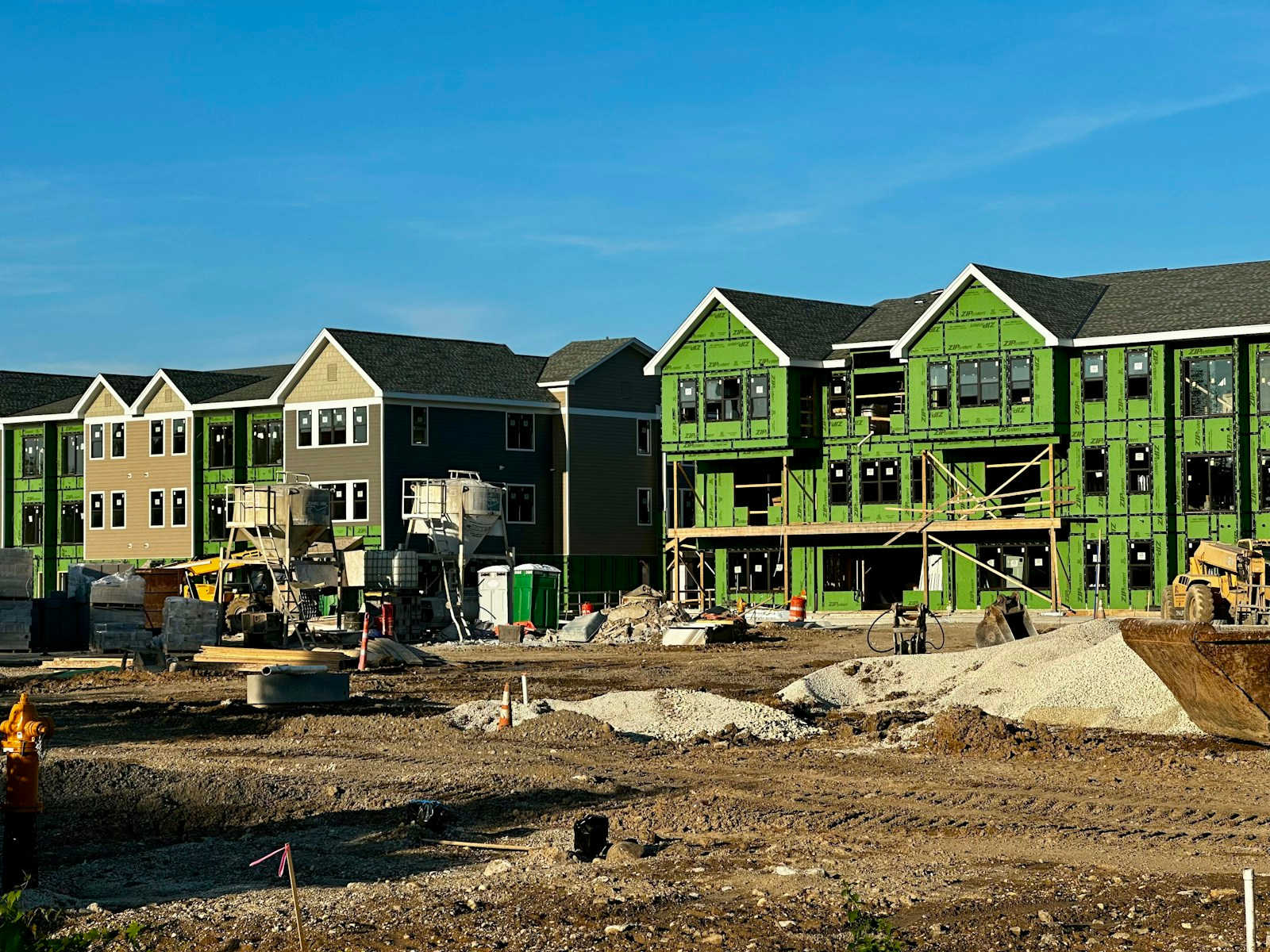
North Liverpool illustrates the scale of that coordination problem. Delivering thousands of homes requires more than housing plots: roads, utilities, schools, public spaces and commercial development have to be sequenced so occupied phases can function while later areas remain under construction.
Central Station Gateway combines another set of interfaces around transport infrastructure and a constrained city-centre location. The development programme will have to coordinate station capacity, pedestrian movement, servicing and construction access alongside new buildings and public realm.
The Place Delivery Agreement is initially intended to run for three years, subject to annual review, with an option for extension. Homes England expects similar arrangements to be established with other mayoral strategic authorities, making the Liverpool agreement the first implementation of a model intended for broader use.
Its first practical test will be whether the Joint Delivery Unit can turn the identified priorities into investable, sequenced projects with land, infrastructure and funding decisions resolved early enough for construction procurement to proceed. The agreement now provides the governance; the next measure will be schemes reaching site.