IN Brief:
- Stroud District Council has opened procurement for a developer partner for Brimscombe Port.
- The £50m opportunity covers a ten-acre cleared former industrial site with retained listed buildings.
- Proposals must support canal reinstatement and delivery of a residential-led mixed-use development.
Stroud District Council has opened procurement for a new development partner at Brimscombe Port, restarting the search for a private-sector organisation to deliver the £50m regeneration of the cleared ten-acre former industrial site.
The tender was published on 2 October with submissions due by 6 November. The selected developer will be expected to reinstate the canal and deliver a residential-led mixed-use development alongside Stroud Valleys Canal Company and Homes England.
Brimscombe developed as an inland port on the Thames and Severn Canal during the late 18th century. Commercial canal use declined before the basin was eventually filled, and industrial premises occupied much of the site during the 20th century.
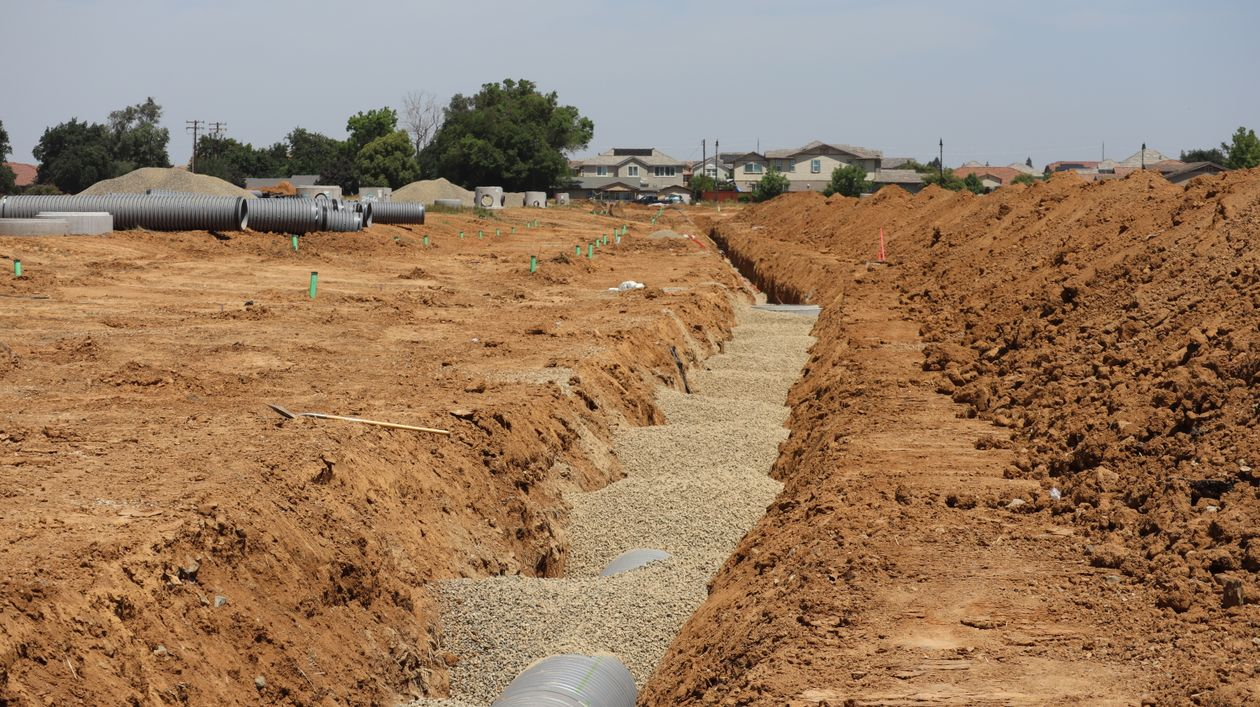
Those later industrial buildings have now been demolished, leaving a largely cleared development area while the listed Port Mill and former salt warehouse remain. Future construction therefore has to combine new infrastructure and development plots with retained heritage assets rather than treating the site as completely cleared land.
Reinstatement of the canal and basin sits at the centre of the regeneration proposal. Excavation, retaining structures, water control, drainage and public realm will consequently have to be developed alongside roads, utilities and building plots rather than added once the residential work has been completed.
The council and its partners have already committed public funding to reduce some of the site’s abnormal costs. Homes England previously provided a £2m loan, while £776,000 was secured through the One Public Estate Land Release Fund. Stroud District Council has also committed capital to site preparation and infrastructure.
Brownfield sites can absorb significant expenditure before vertical construction begins. Demolition, remediation, utilities and civil engineering create little immediate sale value, yet without them the residential or commercial plots may not be capable of development.
Public intervention at Brimscombe has allowed part of that preparatory work to proceed before the final private developer is in place. The current procurement now seeks an organisation capable of taking the prepared site through the next stages of design, planning, finance and construction.
The council has been through that process once before. St Modwen Homes was selected as development partner in 2022 and worked on proposals for Brimscombe Port before withdrawing after its parent business was acquired by Miller Homes and the development portfolio was reviewed.
The withdrawal left Stroud with substantial design and site-preparation work already completed but without the private partner needed to fund and deliver the main development. The council subsequently returned to the market, including an expression-of-interest exercise during summer 2026, before launching the current tender.
The estimated £50m value covers a development opportunity rather than a conventional main works contract with a fixed completed design. The partner will have to participate in decisions around masterplanning, infrastructure, phasing and viability before individual construction packages can be fixed.
The council’s existing vision is for a residential-led neighbourhood containing commercial and community uses around the reinstated canal. New buildings will sit beside the retained historic structures, requiring access, servicing and public spaces to work around assets that cannot simply be removed to simplify the construction sequence.
Port Mill and the salt warehouse also influence development economics. Heritage buildings can require repair and adaptation while offering less flexibility than new structures, but they form part of the identity and planning context of the site and therefore need viable future uses within the wider scheme.
Canal reinstatement adds infrastructure rarely encountered on a conventional housing development. Excavation geometry, water levels, bank structures and long-term maintenance have to be coordinated with drainage and roads, while construction must account for how the water space interacts with adjacent plots.
The cleared condition of the wider site reduces some uncertainties associated with an occupied industrial estate but does not remove viability risk. High infrastructure costs still have to be funded before housing or commercial units can generate revenue, making the phasing and financing model central to the developer appointment.
A successful partner will therefore need enough control over land and development phases to finance the work while meeting the council’s requirements for the canal, public realm and retained buildings. The balance between those obligations and commercial development value is likely to shape the final masterplan as much as architectural design.
The procurement follows several years of demolition, planning and infrastructure work that have already changed the physical condition of Brimscombe Port. The current tender is intended to convert that preparation into a deliverable development after the previous partnership ended before main construction began.
Bids are due on 6 November. The next substantive milestone will be selection of a partner capable of financing and sequencing the canal, infrastructure and development plots rather than another round of preparatory clearance.