IN Brief:
- Kier will replace more than 5km of clean water mains across Dunford Bridge and Carlecotes.
- Temporary traffic lights are planned during the initial works, with Don View renewal due before Christmas.
- The £2.9m scheme is part of Yorkshire Water’s wider £406m mains replacement programme.
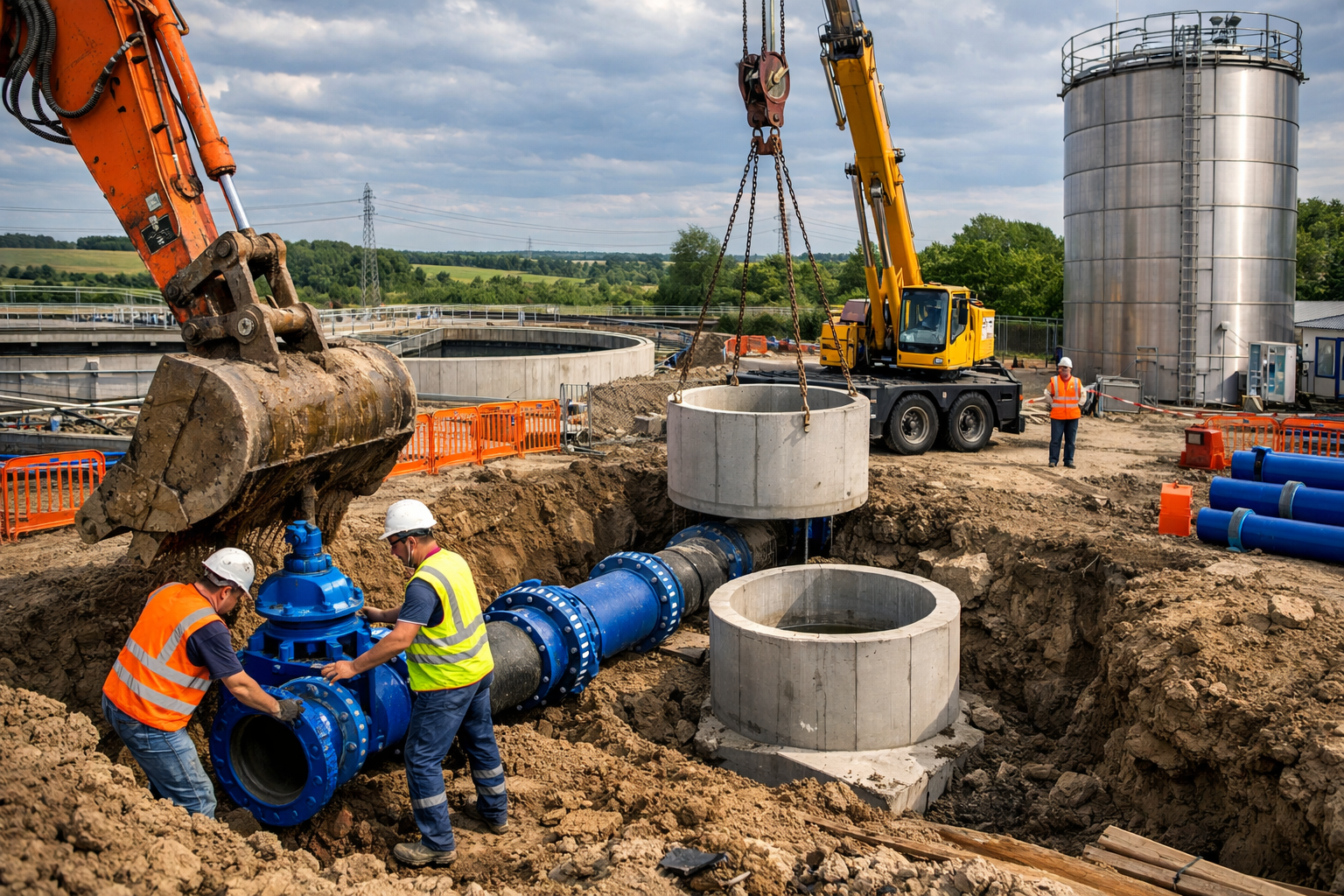
Yorkshire Water is investing £2.9m in a programme to replace more than five kilometres of clean water mains around Dunford Bridge and Carlecotes, with Kier due to begin site works on Monday 19 October. The works will target sections of the network that have suffered bursts and leaks, replacing ageing pipework with plastic mains intended to improve supply resilience. The overall scheme is scheduled for completion in October 2027, with construction and traffic arrangements proceeding in phases.
The first phase will begin at Windle Edge in Dunford Bridge, near the Don View junction, and progress towards the junction of Dunford Road and Brook Hill Lane. Temporary traffic signals are expected to operate on this initial stretch until mid-December. Replacement work at Don View will take place concurrently and is currently planned to finish before Christmas. Yorkshire Water has identified those locations and dates as the first sections of its programme, rather than a single continuous road closure affecting the full route for a year.
A second phase will replace mains between Carlecotes and the A616, including sections along Brook Hill Lane and Bents Road. Yorkshire Water has not specified the length or diameter of each individual pipe run, and the installation method for each section has not been published. During a replacement programme, excavation and the positioning of new mains must be coordinated with existing buried services and access to properties. Final connections also require a planned transition from ageing assets to the replacement distribution network.
Yorkshire Water intends to replace leak-prone sections with plastic pipes that are less susceptible to some of the deterioration affecting older mains. Pipe selection, joint integrity, installation and testing will all influence the finished network’s performance. Service interruptions can still occur at connections, fittings or elsewhere in the system, so the stated aim is improved reliability rather than the elimination of every future burst. The water company has not disclosed the exact polymer, pipe pressure class or a quantified leakage reduction forecast for the project.
Before a new potable water main can enter service, its installation and connection to the live network must be coordinated with the operator’s water quality and commissioning requirements. Pipework normally undergoes the necessary cleaning, pressure testing and checks before changeover, although Yorkshire Water has not given a project-specific testing sequence. The route also passes through road corridors, bringing trench reinstatement and safe separation of workers, traffic and pedestrians into the construction programme.
Yorkshire Water says most of the project will be carried out under temporary traffic lights and that it is working with highways authorities on access arrangements. The first announced restriction is the Windle Edge section lasting into December, with additional information to follow as later phases approach. Temporary signals create alternating flows through a narrowed carriageway, which can protect working areas but may introduce delays at busy periods. Businesses and residents along the route will therefore need more precise local notices as the programme moves between streets.
The £2.9m project forms part of a £406m clean water mains investment programme through which Yorkshire Water intends to replace more than 1,000km of pipework by 2030. The wider figures provide scale but should not be presented as though the entire programme is allocated to the Dunford Bridge and Carlecotes works. The new investment specifically addresses local sections known for bursts and leaks. The water company has not supplied a project-specific forecast of water saved, planned number of new service connections or annual operating savings.
The Barnsley scheme concerns the distribution of clean water to existing customers, rather than new treatment facilities or wastewater pumping. Kier’s task includes replacing vulnerable pipes and connecting the finished sections to the wider network so that older mains can be removed from service. Each changeover will have to be coordinated with operating arrangements and highway access, particularly where parallel works are taking place. The project’s construction scope is distinct from the contractor’s separate Thames Water upgrade contracts reported earlier in October.
Kier is scheduled to start on 19 October, with work at Don View intended to finish before Christmas and the initial Windle Edge traffic controls continuing into December. Later mains replacement between Carlecotes and the A616 will progress towards the October 2027 target. The published sequence gives road users and customers an initial timetable, while subsequent notices will be needed as excavation and connections move along the route.