IN Brief:
- COWI has acquired PUNCH Consulting Engineers, one of Ireland’s largest Irish-owned multidisciplinary engineering consultancies.
- The acquisition expands COWI’s buildings, infrastructure, sustainability, BIM, and energy engineering capability.
- PUNCH will join COWI’s UK and Ireland business as PUNCH Consulting Engineers, a COWI company.
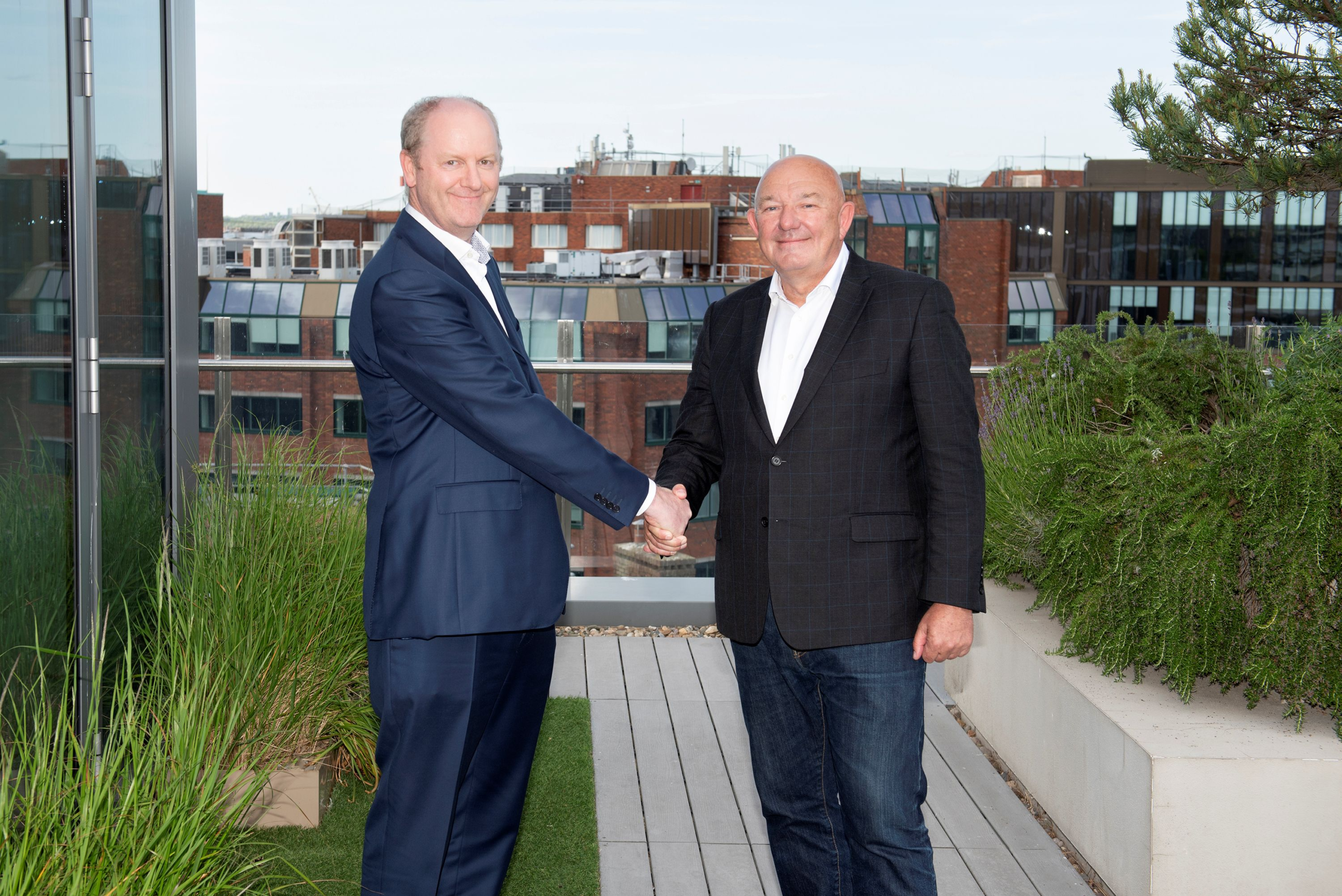
COWI has acquired PUNCH Consulting Engineers, strengthening its Irish engineering base and expanding its capability across buildings, infrastructure, and energy projects.
PUNCH is one of Ireland’s largest Irish-owned multidisciplinary engineering consultancies. Founded in Limerick in 1973, the business has offices in Dublin, Limerick, Cork, Galway, Glasgow, and Macclesfield, and provides civil, structural, environmental, sustainability, conservation, BIM, energy engineering, assigned certifier, and health and safety services across the built and managed environment.
Following the acquisition, PUNCH will become part of COWI’s UK and Ireland business and will trade as PUNCH Consulting Engineers, a COWI company. The deal brings COWI’s international engineering scale together with PUNCH’s established local position in Ireland, giving the combined business a broader platform across Irish, UK, and international projects.
COWI opened its Dublin office in 2025 and has identified Ireland as a growth market linked to district heating, offshore wind, sustainable buildings, and long-term infrastructure investment. The acquisition supports the group’s ambition to grow its Irish business to more than 300 employees.
The transaction expands COWI’s presence at a point when Ireland is planning substantial investment in housing, transport, energy, water, healthcare, education, and industrial infrastructure. Those markets require more than traditional civil and structural capacity. Clients are increasingly looking for integrated advice covering sustainability, energy systems, BIM coordination, conservation constraints, statutory compliance, and delivery risk.
Consulting engineering capacity has become a strategic issue across Ireland and the UK. Public and private clients are bringing forward more complex programmes while skills shortages, digital requirements, and carbon targets are raising the technical burden on design teams. Acquisitions allow larger groups to add local knowledge and client relationships faster than organic recruitment alone would allow.
That regional focus is becoming more visible across the wider construction market. Ferrovial’s appointment of a UK and Ireland construction lead earlier this week reflected a similar emphasis on regional leadership as international groups position themselves around infrastructure and complex building opportunities.
For PUNCH, joining COWI creates access to larger and more complex projects, wider technical networks, and broader career pathways for staff. For COWI, retaining the PUNCH name gives continuity in a market where local relationships, regulatory understanding, and delivery history carry commercial weight.
The acquisition also reflects the increasing overlap between buildings, infrastructure, and energy. District heating, offshore wind support, data-rich buildings, low-carbon development, resilient transport, and urban regeneration all require multidisciplinary engineering. Consultants are being asked to work across systems rather than disciplines, and clients expect design teams to understand how energy, carbon, cost, planning, construction, and long-term operation connect.
COWI’s growth in Ireland will now depend on how effectively it combines international specialist capability with PUNCH’s local delivery base. The Irish market has a strong pipeline, but it also has familiar constraints around planning, skills, infrastructure sequencing, and project viability. Engineering consultancies with enough scale to manage complexity and enough local knowledge to navigate delivery conditions will be well placed as those programmes move forward.