IN Brief:
- The sewer rehabilitation and cleaning framework has an estimated value of up to £227m.
- Work will cover gravity sewers and rising mains across the utility’s operating region.
- Two lots will separate projects above and below a £3m threshold.
Thames Water has opened procurement for a sewer rehabilitation and cleaning framework with an estimated value of up to £227m.
Covering gravity sewers and rising mains across London and the Thames Valley, the programme combines planned rehabilitation, reactive intervention, inspection, cleaning, structural repair, and associated civil engineering work. The initial agreement is expected to run from April 2027 to April 2030, with extension options potentially taking it through to April 2035.
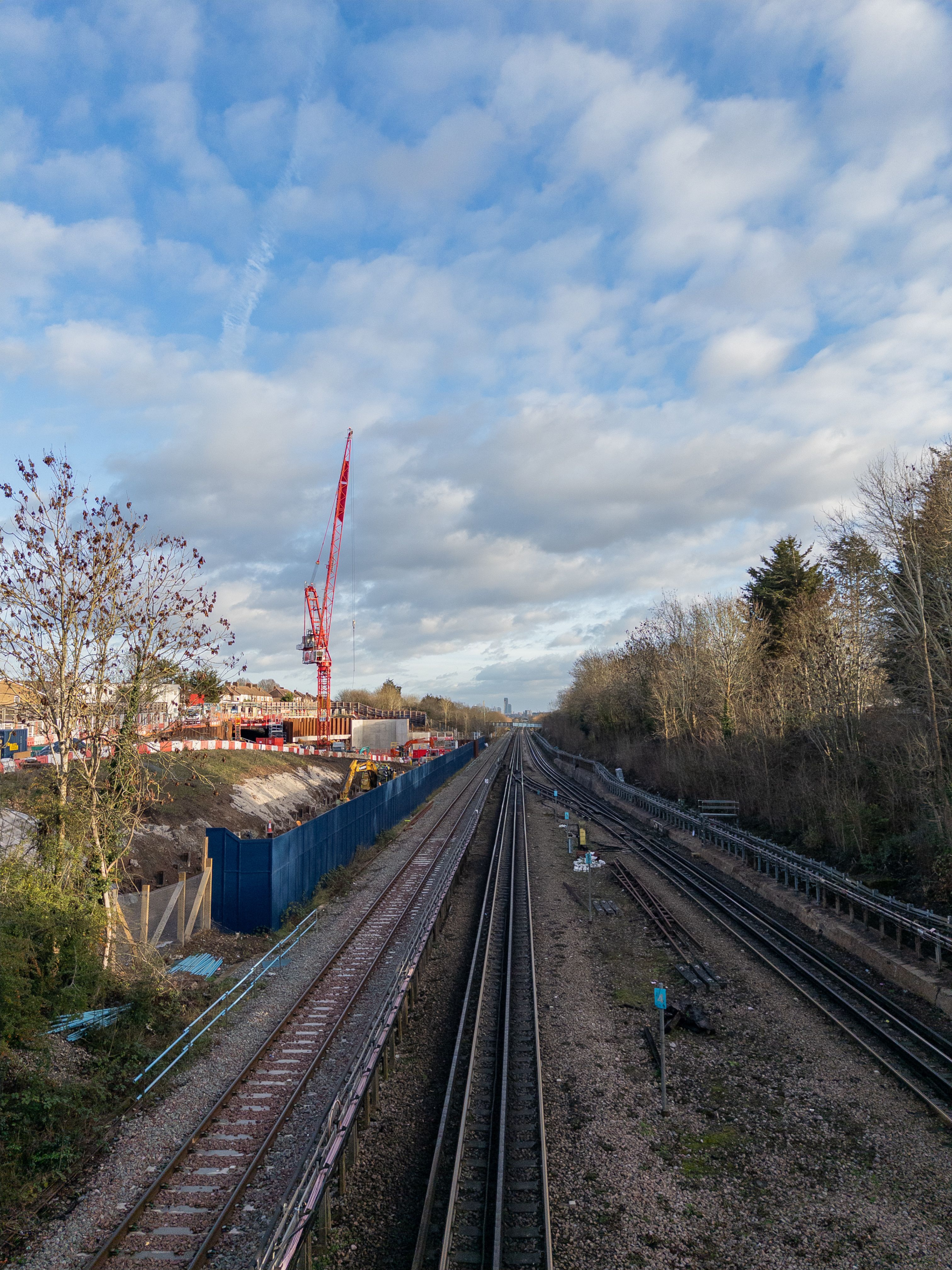
Contractors appointed to the framework may undertake CCTV surveys, structural lining, leak-tight lining, pipe replacement, patch repairs, pipe bursting, manhole sealing, cleaning, waste removal, street works, and minor civils. Certain packages may also be located close to railway infrastructure, introducing additional requirements around access, possessions, assurance, and third-party approvals.
Two lots will separate projects below £3m from larger schemes above that threshold. Thames Water expects to appoint up to six suppliers to each lot, creating a contractor pool capable of responding to different levels of scale, complexity, urgency, and specialist demand.
Beneath dense urban areas, sewer rehabilitation often takes place in conditions where access is severely constrained and disruption must be limited. Traffic management, temporary shafts, over-pumping, confined-space entry, waste handling, buried utilities, and deep excavations may all form part of a package that remains largely invisible at street level.
No-dig and low-dig techniques are expected to play a prominent role. Structural liners, localised patch repairs, and pipe bursting can restore integrity without excavating the full length of a defective sewer, which reduces road closures, reinstatement, material movement, and disturbance to nearby businesses and residents.
Those techniques require careful selection rather than automatic application. Lining depends on the host pipe retaining sufficient structural and dimensional integrity, while pipe bursting must account for ground movement, service connections, adjacent utilities, and the condition of the existing alignment.
Cleaning and inspection therefore sit at the centre of the programme. CCTV surveys can identify cracking, deformation, displaced joints, root ingress, deposits, infiltration, corrosion, and collapse, but the value of that information depends on consistent coding, accurate asset records, and sufficient image quality.
When survey information is incomplete or poorly interpreted, the selected intervention may fail to address the underlying defect. A pipe can be cleaned without resolving structural damage, or lined when replacement would have provided a more durable and operationally suitable solution.
Framework value will depend on condition data
Long-term utility frameworks are intended to replace fragmented procurement with a more consistent delivery model. By retaining a group of experienced contractors, clients can shorten tender periods, standardise procedures, and carry operational knowledge from one package to the next.
The headline value does not, however, guarantee an even distribution of work. Call-off volumes will depend on asset condition, regulatory commitments, available funding, pollution incidents, operational failures, and the pace at which Thames Water can investigate and define viable schemes.
Contractors will need enough flexibility to handle planned programmes alongside urgent interventions. A blockage, collapse, infiltration problem, or rising-main defect may require immediate mobilisation, temporary pumping, traffic control, and environmental protection before a permanent repair can be designed.
Reliable condition data determines whether investment is directed towards the highest-risk assets. Replacing pipes that could have been repaired wastes capital, whereas deferring work on structurally vulnerable sections can lead to collapse, flooding, pollution, and substantially more disruptive emergency construction.
Waste handling will form another substantial part of delivery. Sewer cleaning produces water, silt, grit, fats, roots, debris, and potentially contaminated material, all of which must be characterised, transported, treated, or disposed of through suitable facilities.
Productivity can be constrained by disposal distances and tanker availability as readily as by the condition of the sewer itself. Where treatment facilities are distant or access routes are congested, the movement of waste may determine daily output.
Live wastewater environments also create demanding health and safety conditions. Confined spaces, hazardous atmospheres, biological exposure, high-pressure water, lifting operations, temporary pumping, and deep excavations require competent supervision, robust rescue arrangements, and disciplined control of plant and personnel.
Dividing the framework by project value should allow regional and specialist contractors to compete alongside larger businesses capable of managing complex multi-site programmes. Smaller packages may suit companies with strong local knowledge and specialist rehabilitation capability, while larger schemes will require deeper design, temporary-works, commercial, and financial resources.
An agreement extending for up to eight years may justify investment in survey equipment, lining systems, cleaning units, digital records, and specialist training. That investment will be easier to support where suppliers receive a dependable view of future workload rather than a framework appointment without predictable call-off volume.
The commercial terms will therefore attract close scrutiny. Inflation treatment, performance measures, risk allocation, payment mechanisms, emergency response requirements, and the process for pricing unforeseen conditions will all influence how much resource bidders are prepared to commit.
Procurement will continue through the remainder of 2026 before the expected April 2027 start. Once operational, the framework will place equal emphasis on diagnosis and delivery, because the value of each physical intervention will depend on whether the right asset receives the right repair at the right stage of deterioration.