IN Brief:
- The £4.5m Beaufort House remediation programme secured Gateway 2 approval after an 18-week determination.
- Work covers fire-safety measures, mineral-wool external wall insulation, and replacement windows and doors at the occupied tower.
- The application required detailed evidence on the existing fire strategy before construction proposals could progress.
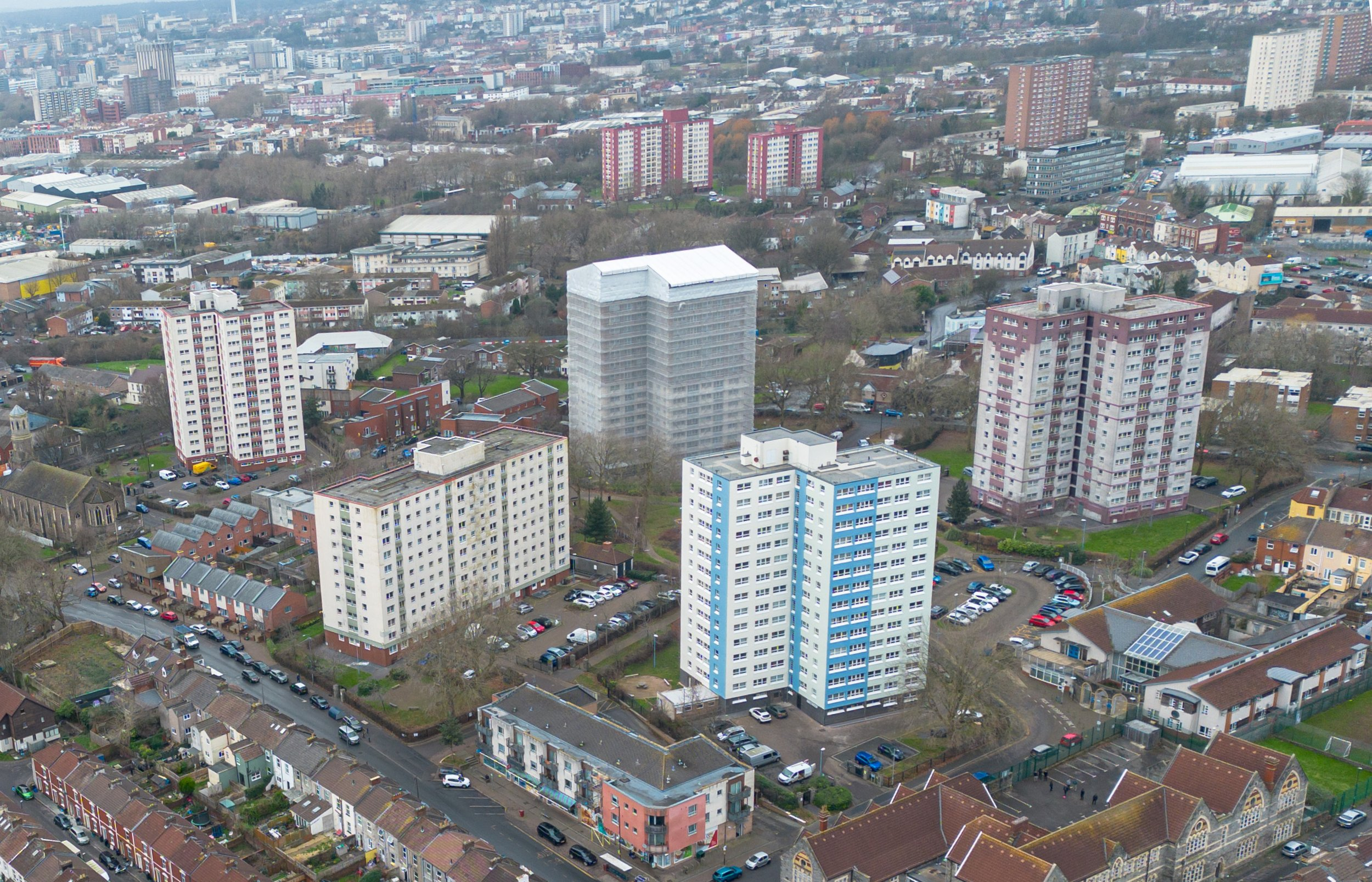
gcp Chartered Architects has secured Building Safety Regulator Gateway 2 approval for a £4.5m fire-remediation and retrofit programme at Beaufort House in Bristol. The 15-storey residential tower will be upgraded while all 87 homes remain occupied, combining life-safety work with a fabric-first retrofit designed to meet PAS 2035 requirements.
The Gateway 2 determination took 18 weeks and covers a 1960s building whose existing construction predates much of the modern regulatory framework now applied to higher-risk residential work. Planned measures include a new mineral-wool external wall insulation system and replacement windows and doors, alongside modifications to passive and active fire-safety arrangements.
Establishing the existing fire strategy became a significant part of the submission. gcp says the project team had to obtain specialist fire-consultancy input to support changes involving fire doors, permanent vents, and automatic-opening smoke vents. The regulator also requested detailed assessment of a proposed reconfiguration that might have increased the risk of fire spread between floors; that element was subsequently dropped.
The case illustrates a recurring difficulty with older tower blocks. Buildings completed decades before current regulations may have incomplete drawings, undocumented alterations, and construction details that cannot be established reliably without further investigation. A remediation design therefore depends on first reconstructing an accurate picture of the existing building and the way its fire precautions currently operate.
Gateway approval shifts risk into preconstruction
The regulatory process now forces more of that uncertainty to be resolved before relevant higher-risk building work starts. Missing surveys, incomplete fire strategies, or weakly justified design assumptions can stop an application rather than becoming issues to be addressed after mobilisation. The result is a heavier preconstruction burden but less freedom to improvise once regulated work is under way.
Beaufort House reached Gateway 2 against a wider improvement in Building Safety Regulator decisions. During the 12 weeks to 1 August, the regulator approved 287 of 349 Gateway 2 cases across higher-risk building categories, an overall approval rate of 82%. New-build and conversion decisions reached 91%, although substantial numbers of applications remained in progress. The latest BSR figures also show that determination periods remain material to project programmes.
An 18-week determination therefore represents a significant part of the programme even where approval is ultimately secured. Design teams have to build regulatory lead time into procurement and mobilisation rather than working backwards from a preferred start-on-site date. For contractors and specialist suppliers, that can affect when orders are placed, labour is committed, and access equipment or façade materials are required.
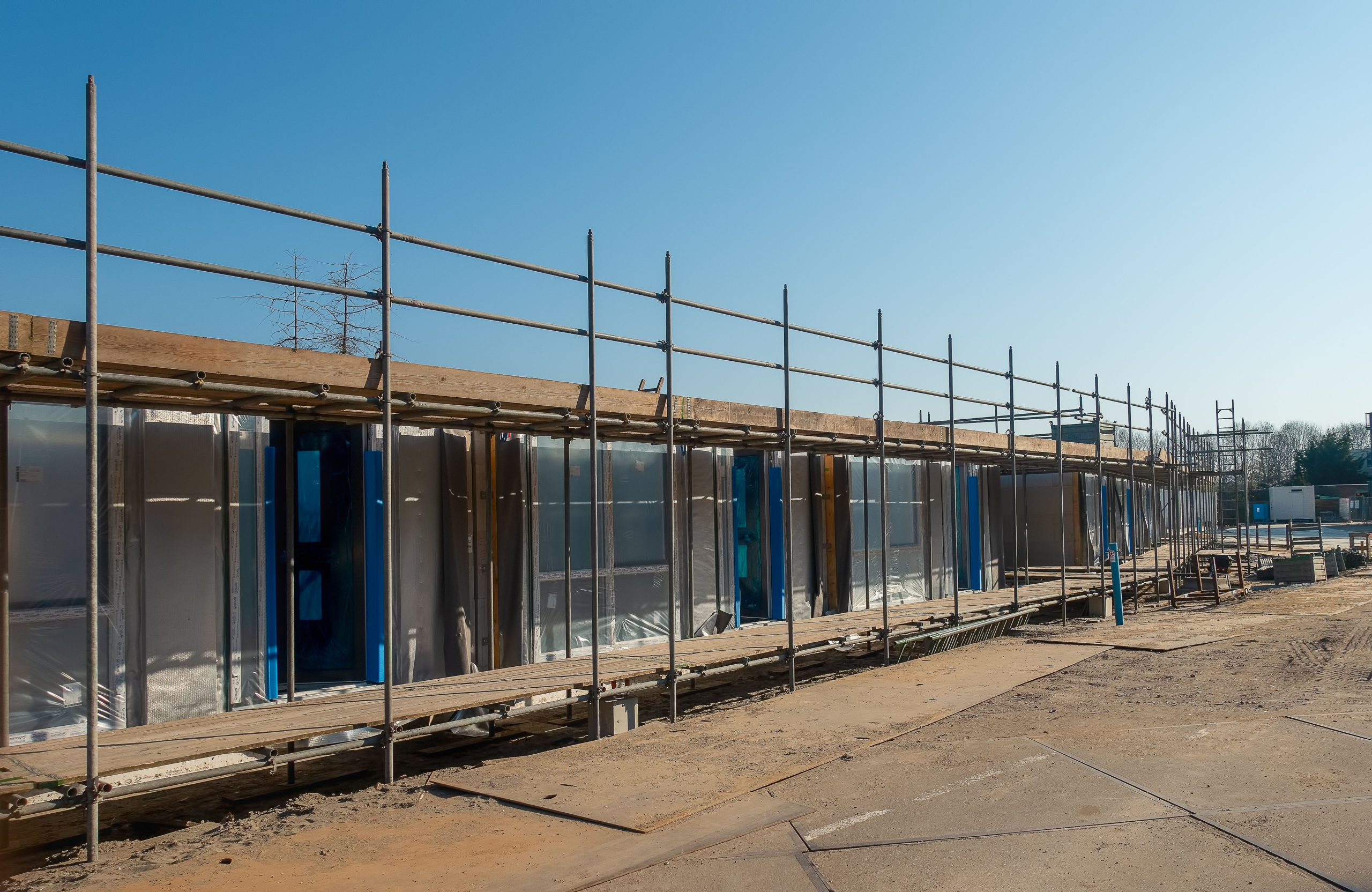
The challenge becomes more complicated once work begins because Beaufort House remains fully occupied. Rewrapping a 15-storey façade, replacing windows and doors, and modifying fire-safety systems all affect residents directly, so access, temporary protection, weatherproofing, escape arrangements, and communication need to be managed around everyday occupation.
Fabric-first energy work also has to remain compatible with the fire strategy. External insulation, replacement openings, ventilation, moisture control, compartmentation, smoke movement, and façade detailing are linked rather than independent packages. A detail intended to improve thermal performance cannot be accepted if it weakens another part of the building’s safety case.
The project team’s experience during Gateway 2 demonstrates why existing-building records have become commercially important. When accurate information is missing, clients have to commission surveys and specialist assessments before the application can be substantiated, and that work cannot necessarily be completed inside a short regulator request-for-information period. Poor historic documentation therefore becomes a modern programme cost.
The scrutiny of the proposed smoke-vent arrangement also shows the practical effect of the process. The regulator questioned whether the change might increase vertical fire-spread risk, prompting further assessment and the eventual decision not to proceed with that particular configuration. Gateway 2 is therefore influencing the built solution before installation rather than simply providing a final administrative approval.
The external wall and window works will now test whether the same information discipline carries through construction. Products, interfaces, installation records, inspections, and changes will need to remain aligned with the approved design while residents continue to occupy the tower. A technically acceptable submission is only the start of that process.
For Beaufort House, regulatory clearance removes one of the largest preconstruction hold points after earlier delays. The next risk sits on the scaffold, where a 1960s building, modern fire requirements, energy retrofit, and occupied-site logistics have to be reconciled without allowing site changes to undermine the evidence on which approval was granted.