IN Brief:
- BAM is delivering two Department for Education school rebuilding projects worth a reported £147m combined.
- Steyning's new campus will accommodate up to 2,400 students, while Bradfields will provide specialist facilities for 444 pupils.
- Work has started at both locations, with Steyning's phased redevelopment scheduled to continue through 2030.
BAM has started work on two school rebuilding projects in West Sussex and Kent with a combined reported value of £147 million, delivering replacement accommodation for more than 2,800 pupils while maintaining educational activities throughout construction.
The contracts, being delivered by BAM UK & Ireland under the Department for Education’s School Rebuilding Programme, cover Steyning Grammar School in West Sussex and Bradfields Academy in Chatham. The projects involve different educational requirements but share the challenge of replacing occupied facilities without interrupting the schools’ day-to-day operations.
Work began at Bradfields Academy on 30 September, followed by Steyning Grammar School on 26 October. Construction trade reporting values the Steyning redevelopment at £102 million and the Bradfields project at £45 million, while BAM has confirmed the scope, mobilisation dates, and planned educational provision for both schemes.
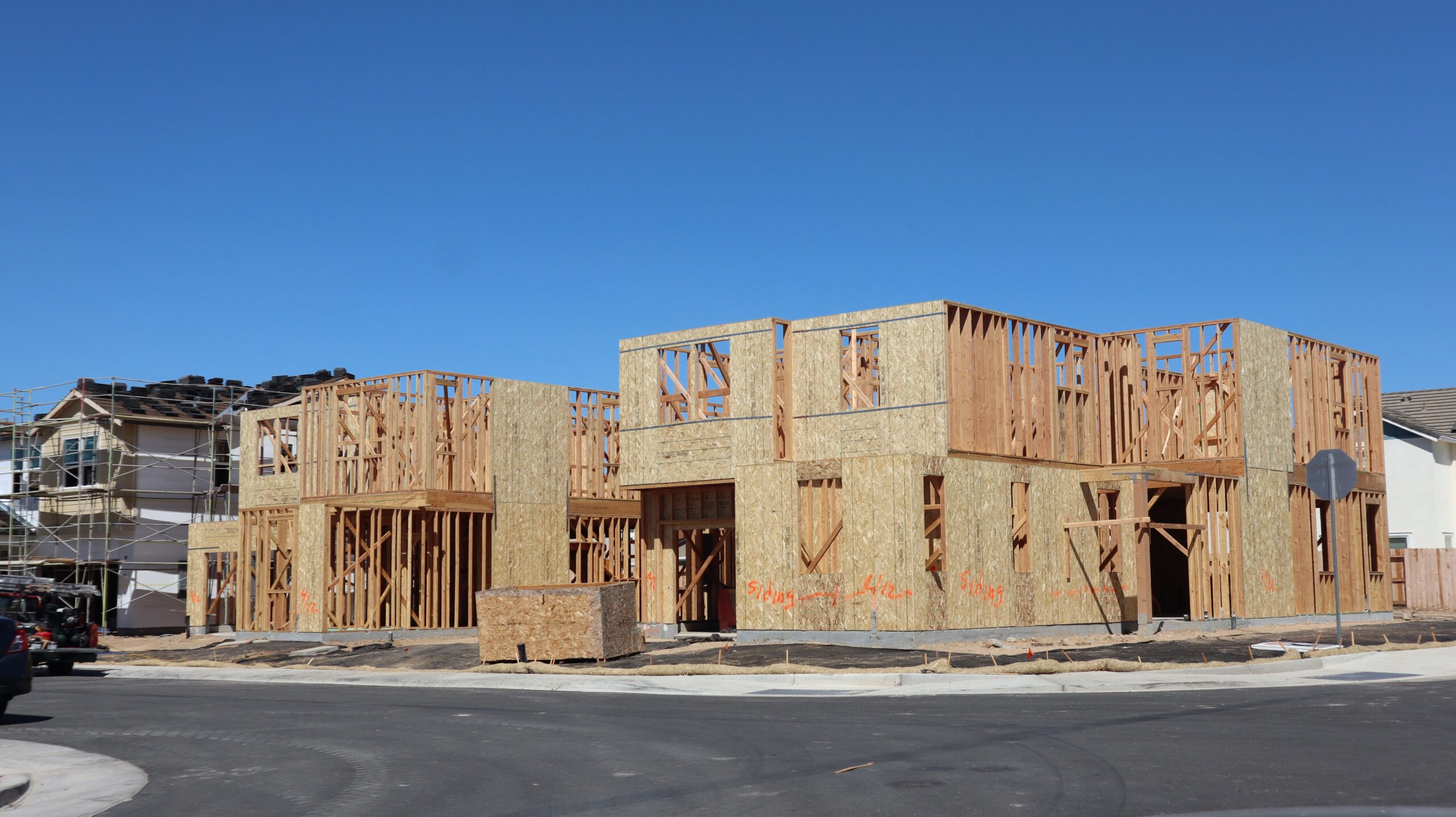
At Steyning, the contractor is bringing together accommodation currently distributed across three locations into a single campus designed for up to 2,400 students. The redevelopment will provide four new buildings, multi-use games areas, and an all-weather sports pitch.
The existing school operates from sites at Steyning, Storrington, and Upper Beeding. Consolidation will allow teaching and supporting facilities to be brought together, replacing the need to maintain separate premises and coordinate educational activities across different locations.
Planning permission has been granted, and the redevelopment is progressing through a phased construction programme. The school expects students to begin occupying the first completed facilities in September 2028, after which existing buildings can be removed to make space for the remaining works.
Final construction and external development are scheduled to continue through 2030. This sequence allows new accommodation to become available before the buildings it replaces are demolished, reducing the need for the whole school to relocate during the redevelopment.
The arrangement introduces dependencies between construction completion, building commissioning, occupation, and demolition. Each replacement phase must be ready for its intended educational use before pupils and staff can move, while the vacated accommodation must be secured and separated from operational areas before removal begins.
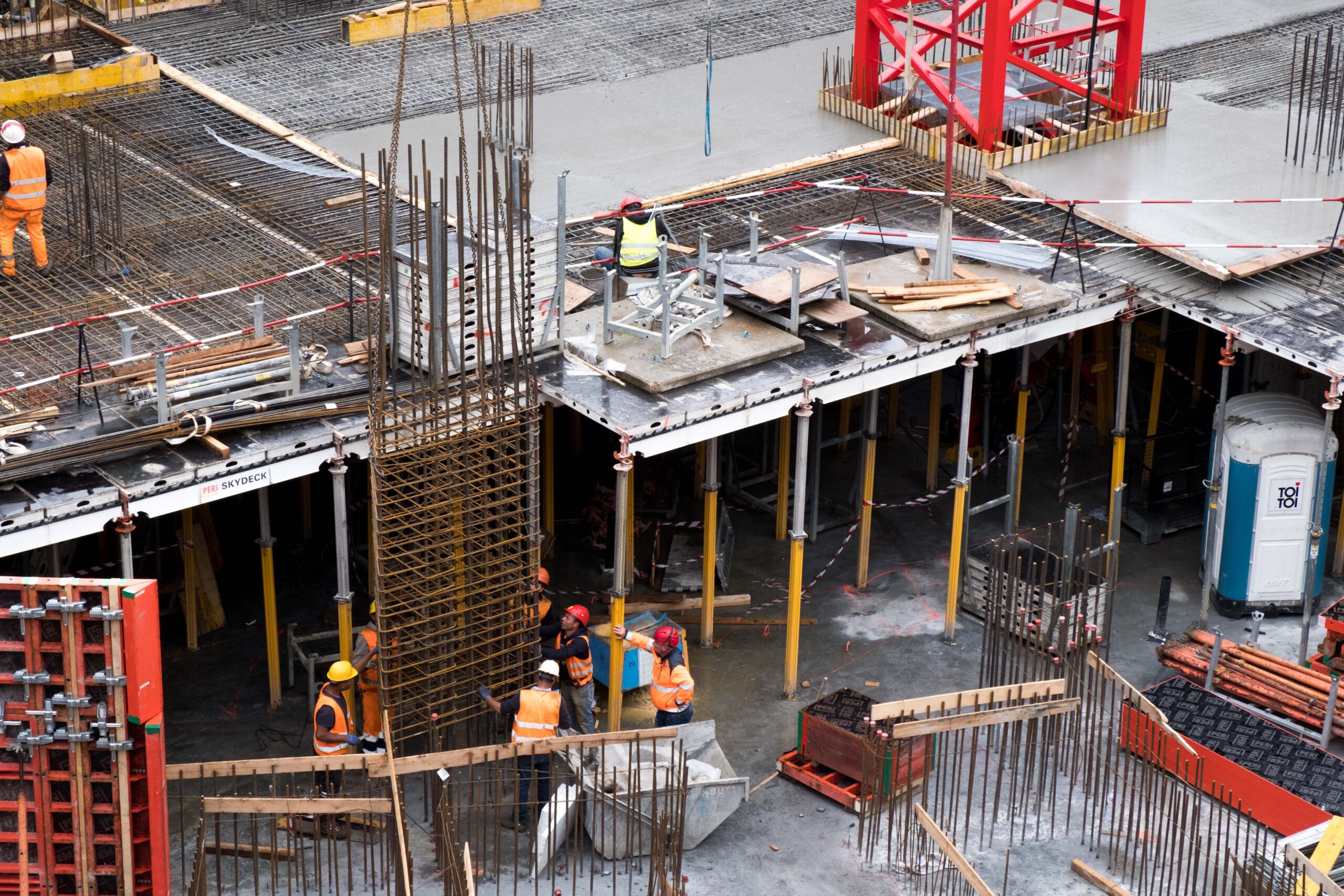
Work on an occupied education site requires a construction programme that accounts for the movement of pupils, staff, visitors, and vehicles. Delivery routes, lifting operations, temporary site boundaries, and access to teaching facilities must be coordinated so that construction activities remain separated from normal school operations.
These arrangements become more demanding as the site changes between phases. A route used for deliveries during the construction of the first building may no longer be suitable once that building is occupied, requiring the contractor to revise the movement of plant, materials, and personnel as subsequent works progress.
The four-building arrangement also requires coordination between structural construction, external works, and the installation of supporting infrastructure. Utilities, drainage, access routes, and building services connections must be available when individual buildings are brought into use, even where other parts of the campus remain under construction.
The new campus is intended to sit within the surrounding South Downs landscape. Its design incorporates teaching accommodation, recreation areas, and outdoor facilities, with the construction sequence determining when those spaces can be completed and made available to students.
The redevelopment at Bradfields Academy has a different brief. BAM is replacing existing facilities with a two-storey building designed for 444 pupils aged four to 19, including sixth form students, who require specialist educational support.
Its accommodation will include teaching, therapy, and life skills facilities, together with external learning and play areas. The scheme also provides improvements to site access and parking, integrating the replacement building with the wider school environment.
The development is intended to provide a fully accessible educational setting. The needs of pupils with special educational needs and disabilities influence how teaching areas, circulation, specialist rooms, and external spaces are organised within the building.
Accessible circulation requires consideration of entrances, changes in level, doorways, and movement between different educational activities. Specialist teaching and therapy spaces may also require particular arrangements for supervision, equipment, and the safe movement of pupils, depending on their intended use.
These requirements must be established through the approved design and maintained during construction. The contractor’s responsibility extends beyond delivering the principal structure to coordinating the specialist installations, internal layouts, and building services needed to make the facilities operational.
Bradfields will remain open while construction progresses. The delivery programme must therefore protect the activities taking place in retained accommodation and manage the interfaces between the existing school and the developing replacement facilities.
Access arrangements require particular attention where school transport, parents, staff, and construction vehicles may arrive at similar times. Separating their movements and coordinating deliveries around operational constraints forms part of the practical management of an occupied education site.
Construction noise, dust, temporary service interruptions, and changes to external circulation also need to be controlled. Such measures are relevant to both projects, although the arrangements adopted at each school will depend on its layout, available working space, and the activities taking place during the construction period.
BAM expects the two schemes to generate a combined £47 million of social, local, and economic value. Its commitments include local employment, apprenticeships, supply chain opportunities, and support for people entering construction-related work.
The contractor has also committed to more than 800 hours of curriculum support through T-Level and work experience placements in partnership with local colleges. Those activities will take place alongside the construction programmes, connecting the investment in educational buildings with training and employment initiatives.
The reported social value figure is an anticipated programme outcome, rather than a construction contract value or an amount of direct financial expenditure. Its delivery will depend on the implementation and measurement of the commitments associated with the two projects.
The Department for Education’s rebuilding programme is intended to replace school accommodation that no longer meets long-term requirements. Projects undertaken on existing campuses must manage the condition of retained buildings, the provision of temporary facilities where required, and the transfer of school activities into completed accommodation.
Both schemes have entered construction, but their delivery programmes differ. Steyning has established an initial occupation target of September 2028 and a phased programme extending to 2030, while BAM has not published an equivalent final completion date for Bradfields in its latest project update.
The work now under way will replace existing education facilities through managed construction phases, with the timing of occupation and demolition determined by the availability of completed buildings and the continuing requirements of the schools.