IN Brief:
- Adderstone Civils is reprocessing about 22,000m³, or 48,000 tonnes, of excavated stone into Type 1 sub-base for a 248-home Spennymoor scheme.
- The contractor estimates the approach avoids around 2,000 HGV movements and cuts embodied carbon by approximately 480 tonnes of CO₂e.
- The three-year infrastructure package for Strata Homes also covers roads, drainage, utilities, plotworks and external works.
Adderstone Civils is reprocessing around 48,000 tonnes of excavated material for reuse on a 248-home development in Spennymoor, County Durham, replacing imported aggregate with stone recovered from the site itself.
The contractor is delivering the full civil engineering infrastructure package for Strata Homes, covering adoptable roads, foul and surface-water drainage, utilities, plotworks and associated external works. Construction began in May 2026 and is scheduled to continue for approximately three years, with completion of the infrastructure programme listed for 2029.
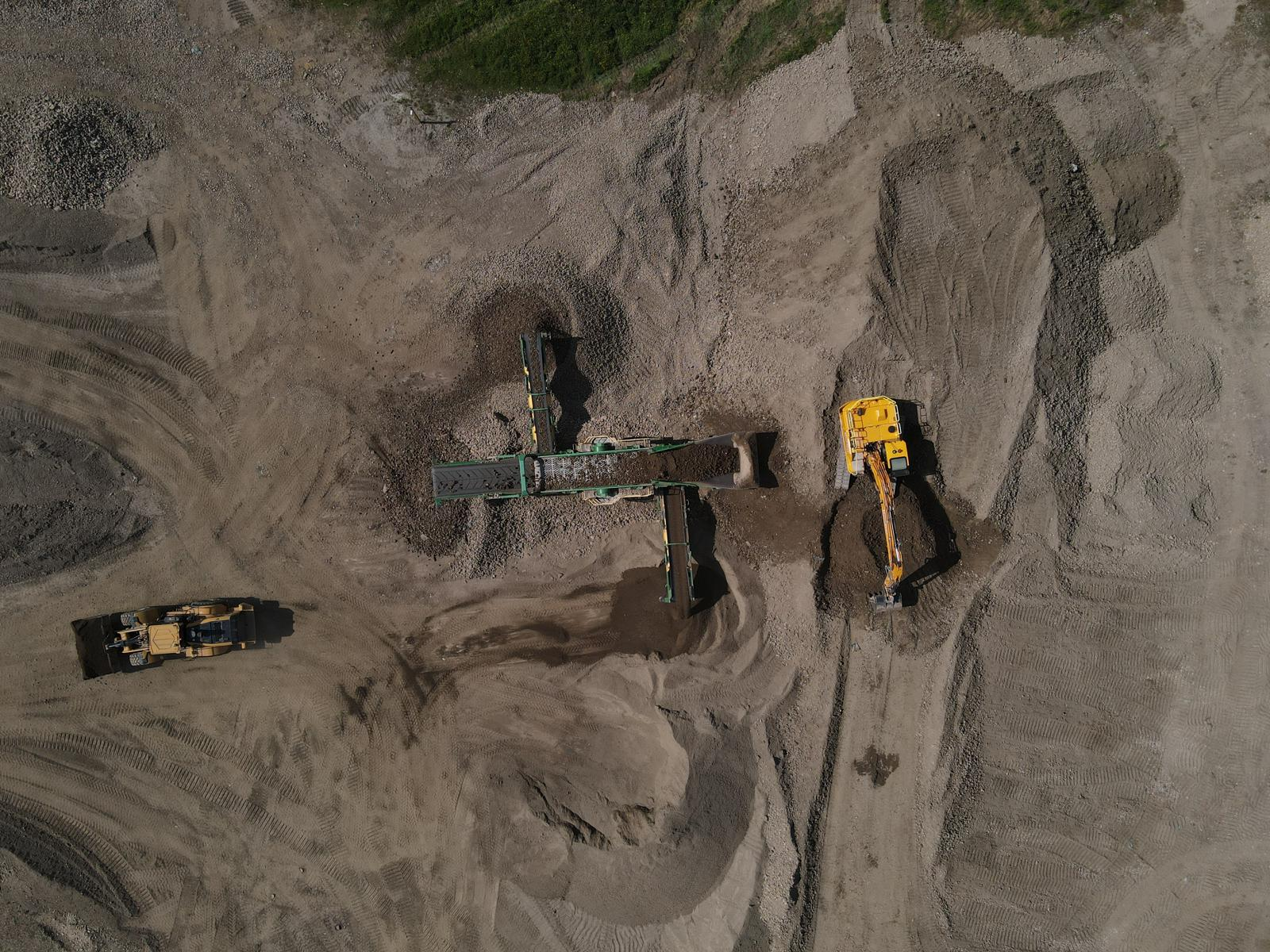
At the centre of the earthworks strategy is approximately 22,000m³ of excavated stone. Rather than exporting the material and importing quarried aggregate for the sub-base, Adderstone is processing the stone into a graded Type 1 specification for reuse across the development.
The company estimates that the approach will keep about 48,000 tonnes of material in use on site, eliminate the need to import virgin aggregate for the relevant works and avoid roughly 2,000 HGV movements. It also puts the embodied-carbon saving at around 480 tonnes of CO₂e and says no excavation arisings from the process have been sent to landfill.
The logistics are almost as significant as the material substitution. A conventional remove-and-replace approach would create vehicle movements in both directions, with spoil leaving the development and quarried aggregate arriving to meet engineering specifications. Processing suitable site-won stone changes that flow, provided the recovered material can be consistently graded and incorporated without compromising sub-base performance.
On a housing infrastructure project, fewer HGV movements also reduce traffic at the site entrance and remove part of the scheduling dependency created by coordinating disposal and aggregate deliveries. The approach can reduce exposure to haulage costs and to fluctuations in the price and availability of quarried material, although those benefits depend on suitable material being available on site.
The technique is not simply a matter of retaining whatever comes out of the ground. Reuse depends on understanding the excavated material, processing it to the required grading and balancing cut and fill requirements across the site. The finished product still has to perform as an engineered construction material within roads and external works, which means the sustainability case rests on technical suitability rather than on diversion from landfill alone.
Adderstone’s project information describes the Spennymoor package as the civil engineering foundation for around 248 homes. In addition to the earthworks, the contractor is installing foul and surface-water drainage, sustainable drainage elements, utility infrastructure and adoptable roads. The material strategy therefore sits within a wider sequence of works where programme, levels and drainage design all determine when and where processed stone can be reused.
The project also carries a local procurement element. Adderstone says the contract has created 12 permanent jobs, including six apprenticeships, while all project supply-chain expenditure is being sourced within a 25-mile radius. Those claims are separate from the carbon calculation, but they reinforce the extent to which the contractor is trying to reduce the distance over which labour and materials move around the project.
Site-won material strategies have become more relevant as embodied carbon moves further into project assessment and procurement. In civils work, bulk stone and soil can carry a substantial transport burden when large volumes are exported and then replaced with quarried material, making haulage and material handling part of the carbon calculation as well as a programme issue.
The commercial case can be equally practical. Every tonne retained on site potentially removes disposal, haulage and replacement-material costs, although those savings have to be set against crushing, screening, testing and handling. The calculation is project-specific: unsuitable geology, contamination, limited working space or sequencing constraints can make on-site processing impractical. Where the material and programme allow it, the avoided movements can be substantial.
Spennymoor is Strata’s first development in the North East, giving the infrastructure package additional significance for both developer and contractor. Adderstone is using the scheme to expand its residential civils workload in the region, while the three-year programme provides a long enough construction sequence for material recovered during earthworks to be incorporated progressively into roads and other infrastructure.
The 48,000-tonne figure therefore describes a site-logistics decision as well as a waste-reduction measure. Excavated material is being treated first as an engineering resource rather than an outbound waste stream. Adderstone’s estimates of 2,000 avoided HGV movements and a 480-tonne carbon saving give the project measurable benchmarks against which that strategy can be assessed as delivery continues.