IN Brief:
- Construction is beginning on the A259 active travel scheme between Hove and Portslade.
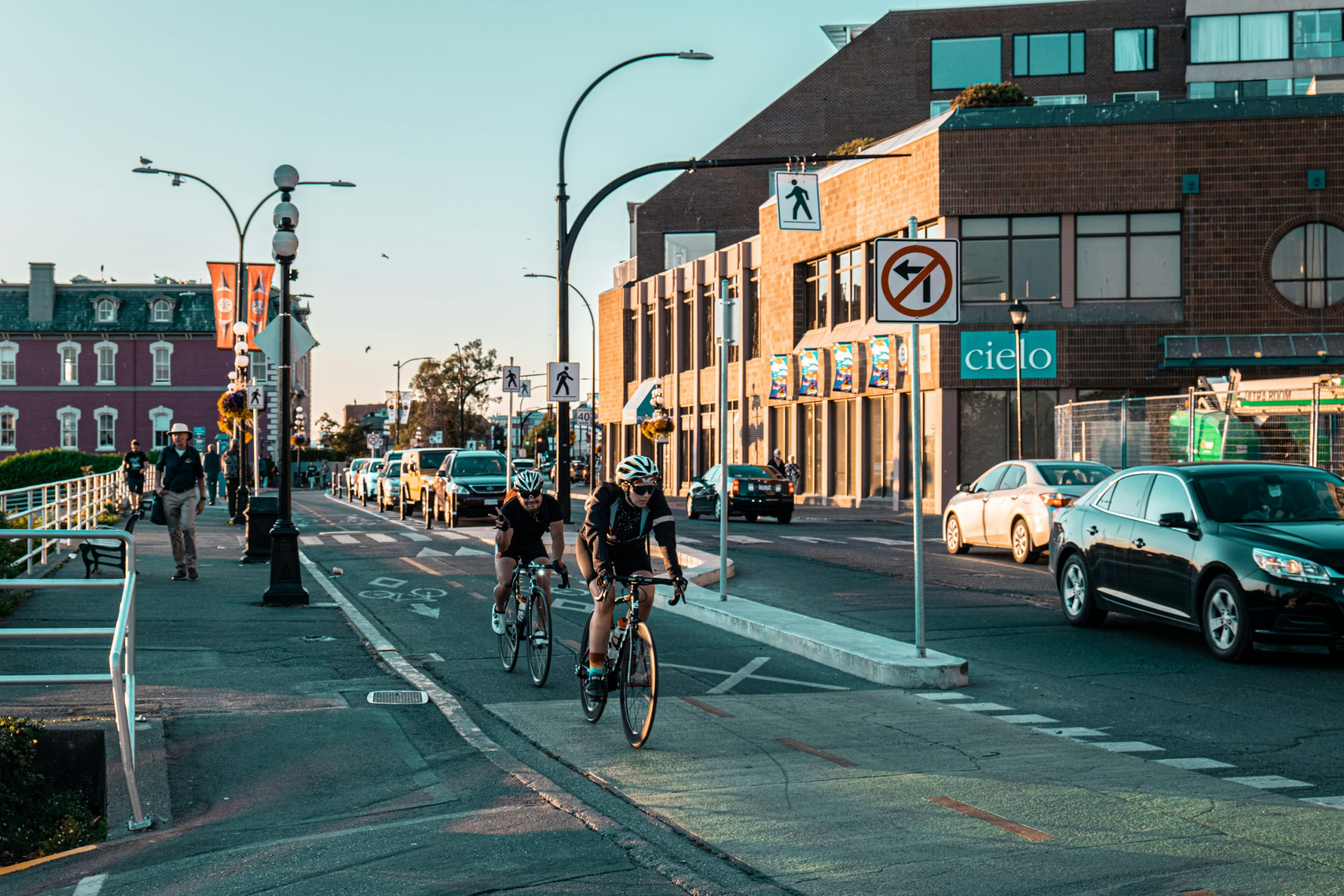
- Works include a separated two way cycle track, rebuilt pavements, crossings, junction changes, and bus stop improvements.
- The first phase runs between Fourth Avenue and Hove Street while homes and businesses remain accessible.
Brighton & Hove City Council is moving the A259 active travel scheme between Hove and Portslade into construction, beginning work on a seafront corridor that will be rebuilt to provide separated cycling, improved pedestrian routes, and revised road infrastructure.
The scheme covers the A259 between Fourth Avenue and the city’s western boundary. Works include a separated two way cycle track, rebuilt pavements, revised bus stop facilities, changes to crossings and junctions, and additional loading and disabled parking provision.
The first construction phase will concentrate on the section between Fourth Avenue and Hove Street. A works compound is planned on the south side of the A259 opposite Westbourne Villas, while access to homes and businesses is intended to remain available throughout the programme.
Where work takes place directly outside properties, contractors are expected to contact occupants in advance. That requirement reflects the principal delivery constraint on the scheme: the road cannot simply be removed from use while its kerbs, footways, crossings, and cycling infrastructure are reconstructed.
The council approved the project to move into construction after completing public consultation, detailed design work, and Traffic Regulation Order procedures. The final layout incorporates changes made during consultation, including revisions to bus stop and parking arrangements.
Moving from drawings into the highway will expose the project to constraints that are difficult to resolve entirely during design. Existing streets contain drainage, lighting columns, traffic signals, signs, ducts, utility services, access points, and previous reinstatements that all influence where new infrastructure can physically be built.
The separated cycle route requires more than road markings. New kerb lines, islands, crossings, and altered footway edges change the way water moves across the carriageway and place new structures close to underground services that may have been installed at different stages over many decades.
Drainage therefore has to be checked against the finished geometry. A new kerb or island can interrupt an existing flow path and leave water collecting where it previously reached a gully, making levels and drainage connections part of the detailed construction problem rather than an issue to address after surfacing.
Bus stops create another concentrated interface. Cyclists, passengers, pedestrians, and buses have to move through the same limited highway width, so paving levels, crossing points, tactile surfaces, visibility, and cycle alignment must work together without creating ambiguous routes.
Crossings and junctions introduce electrical and communications work alongside the civil engineering. Changes to signal equipment can require new ducting, controller alterations, detection systems, and cable routes, all of which need to be installed before final surfacing and road markings are completed.
The existing A259 also carries substantial general traffic, meaning temporary traffic management will influence productivity throughout construction. Closing larger sections can make physical work faster but increases disruption, while dividing the corridor into smaller work areas creates repeated mobilisation, temporary surfaces, and interfaces between completed and unfinished sections.
Maintaining access to businesses and homes adds another constraint. Deliveries, customer access, emergency routes, refuse collection, and private entrances have to be considered while work progresses directly outside properties, making communication part of the practical site programme rather than a separate public relations exercise.
The first phase between Fourth Avenue and Hove Street will provide an early indication of how effectively those arrangements work. Lessons from traffic management, utility conflicts, bus stop construction, and pedestrian routing can be applied as activity progresses westwards along the corridor.
Materials and reinstatement quality will matter after the traffic management has disappeared. Cycle tracks and footways carry lighter loads than the main carriageway, but joints around covers, drainage, kerbs, and utility trenches remain vulnerable to settlement and repeated maintenance if construction quality is inconsistent.
The scheme is also intended to improve accessibility rather than focusing solely on cycling. Rebuilt pavements, crossing changes, and disabled parking arrangements mean level differences, tactile paving, obstruction-free widths, and routes through temporary works all have to be considered alongside the cycle infrastructure.
That creates a broader construction test than installing a new cycle lane on spare road space. The project redistributes a fixed highway width among several users while retaining a functioning transport corridor throughout the work.
The council is also consulting on extending active travel improvements further east from Fourth Avenue towards central Brighton. Delivery of the Hove to Portslade section will therefore create practical evidence around details such as bus stop interfaces, crossings, drainage, and construction sequencing that could influence later phases.
The immediate programme is less theoretical. Contractors now have to convert the agreed layout into kerbs, paving, drainage, signals, crossings, and carriageway works while traffic, pedestrians, businesses, and residents continue using the corridor around them.
Progress will increasingly be judged by completed sections rather than consultation milestones. The quality of the temporary arrangements during construction, and the durability of the permanent interfaces once the road is reopened, will determine whether the engineering performs as intended beyond the initial scheme completion.