IN Brief:
- Salboy's new Everway Homes business is targeting 2,000 rental homes across England and Wales by 2031.
- Around 1,000 homes are already in the pipeline, led by 37 rental homes under construction at Daisyfields.
- Delivery will combine regional contractors with Salboy Construction, while Everway retains management and maintenance responsibility.
Salboy has launched Everway Homes as a dedicated suburban build to rent business, setting a target of delivering 2,000 low-rise rental homes across England and Wales by the end of 2031.
The new operation begins with around 1,000 homes already in its development pipeline. Salboy expects the first Everway tenants to move in by January 2027, giving the programme a live delivery base rather than relying entirely on land that has yet to reach construction.
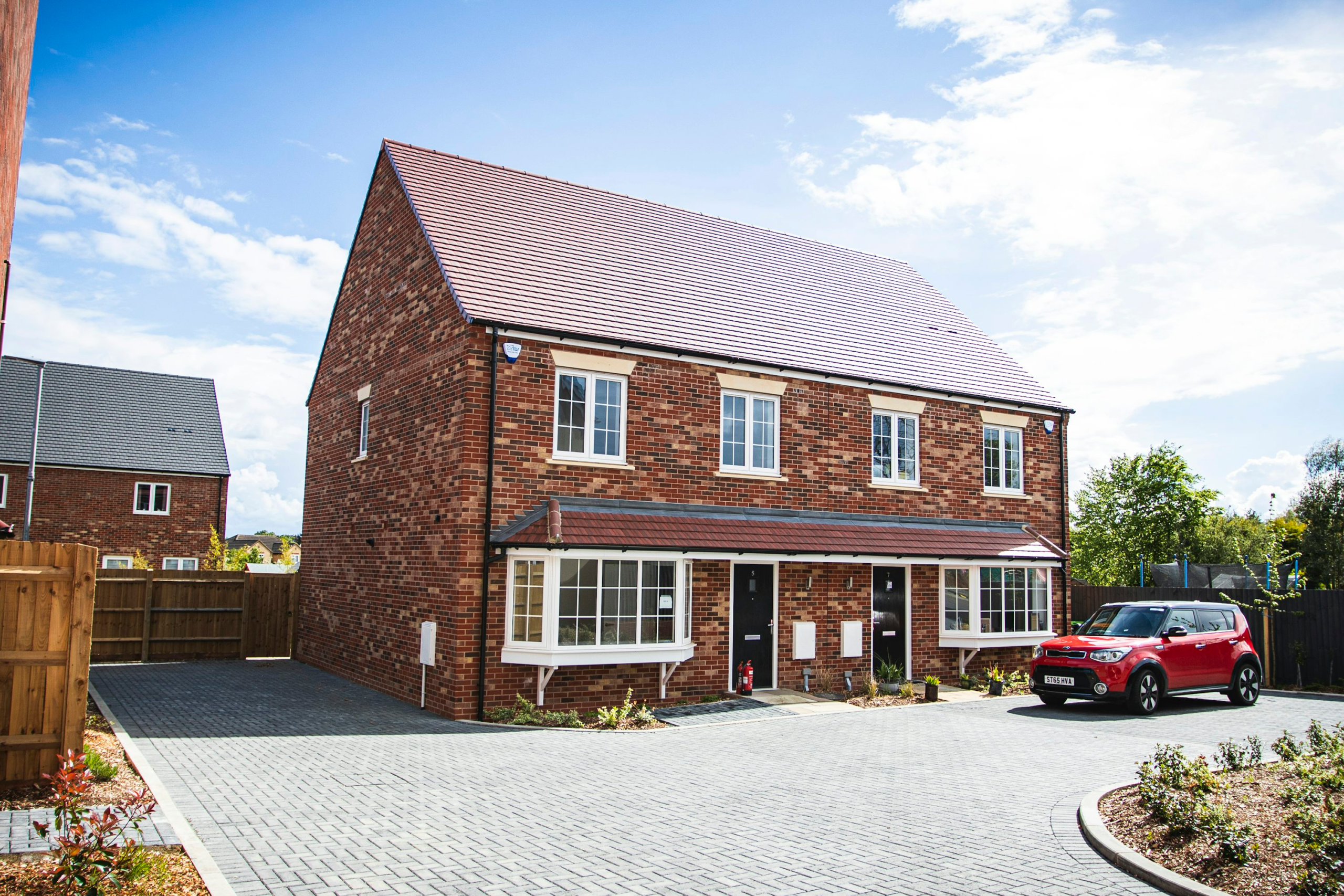
Its first scheme is Everway Daisyfields in Tean, Staffordshire, where 37 rental homes are under construction. Salboy’s own project information lists air source heat pumps, underfloor heating to the ground floor, electric vehicle charging, and professional management and maintenance by the Everway team.
Further Everway projects are planned in Kent, Greater Manchester, Lincolnshire, and Cornwall. Homes will be delivered through Salboy’s network of regional partners alongside Salboy Construction, the group’s low-rise construction arm.
That model differs from a single large city-centre build to rent project. A dispersed pipeline of houses spreads development activity across several local markets, but it also multiplies the number of planning authorities, utility companies, ground conditions, contractor relationships, and local supply chains that have to be managed.
The construction challenge is therefore less about repeating one estate design nationwide and more about standardising the parts of delivery that can sensibly be repeated. Internal specifications, building services, components, procurement rules, and quality controls can be consistent even where site layouts, architecture, and infrastructure respond to local conditions.
Daisyfields provides the first live test of that approach. Retaining management and maintenance responsibility after completion gives Everway a direct interest in whole-life performance because defects and difficult-to-maintain specifications remain an operational cost rather than passing immediately to individual purchasers.
Heating systems are one example. Air source heat pumps and underfloor heating change installation, commissioning, and resident guidance compared with conventional gas-heated housing. When one operator retains a large portfolio, consistent design and commissioning can simplify later maintenance, while inconsistent installations can create recurring service problems across multiple sites.
The same principle applies to kitchens, sanitaryware, doors, controls, and external materials. A build to rent operator can gain from repeatable components where they reduce spare-parts complexity and simplify repairs, but excessive standardisation can conflict with planning requirements or local design expectations.
Regional delivery partners give Salboy access to contractors familiar with those local conditions. They may have stronger relationships with local subcontractors and suppliers than a national contractor working outside its core area, while Salboy Construction provides an internal delivery route where direct control is more useful.
The arrangement also creates a coordination task at group level. If several schemes move into construction at the same time, common specifications and purchasing strategies can generate economies of scale, but only if the supply chain has enough capacity to serve projects in different regions without creating delays.
Utilities and infrastructure will be one of the less visible constraints. Low-rise housing can appear straightforward compared with high-rise development, yet roads, drainage, power, water, communications, and landscaping often determine how quickly phases can be opened and occupied.
A portfolio approach means those enabling issues will occur repeatedly. Standard design procedures can help teams identify them earlier, but they cannot remove local capacity limits, planning conditions, or third-party approval times. The pace of the 2,000-home programme will therefore depend on how many sites can move through those interfaces at the same time.
The operating model also affects handover. Homes intended for a managed rental portfolio need consistent documentation, commissioning records, defects processes, and maintenance information so the operator can take over each phase without recreating asset data for every development.
That requirement gives construction information a longer life than the practical completion certificate. Equipment schedules, warranties, controls information, and inspection records become part of the operating platform for a business that expects to hold and manage the homes rather than sell them individually on completion.
Everway enters the market with a defined first project and a substantial stated pipeline, but the 2031 target remains a delivery commitment rather than completed output. Planning, procurement, utilities, contractor capacity, and build rates will decide how quickly the existing 1,000-home pipeline turns into occupied homes and how much additional land has to follow.
The first measure will come at Daisyfields, where Salboy expects tenants from January 2027. Beyond that, the programme will be tested on whether a common operating and construction model can be maintained across several regions without allowing local variation to erode the economies of scale on which the strategy depends.